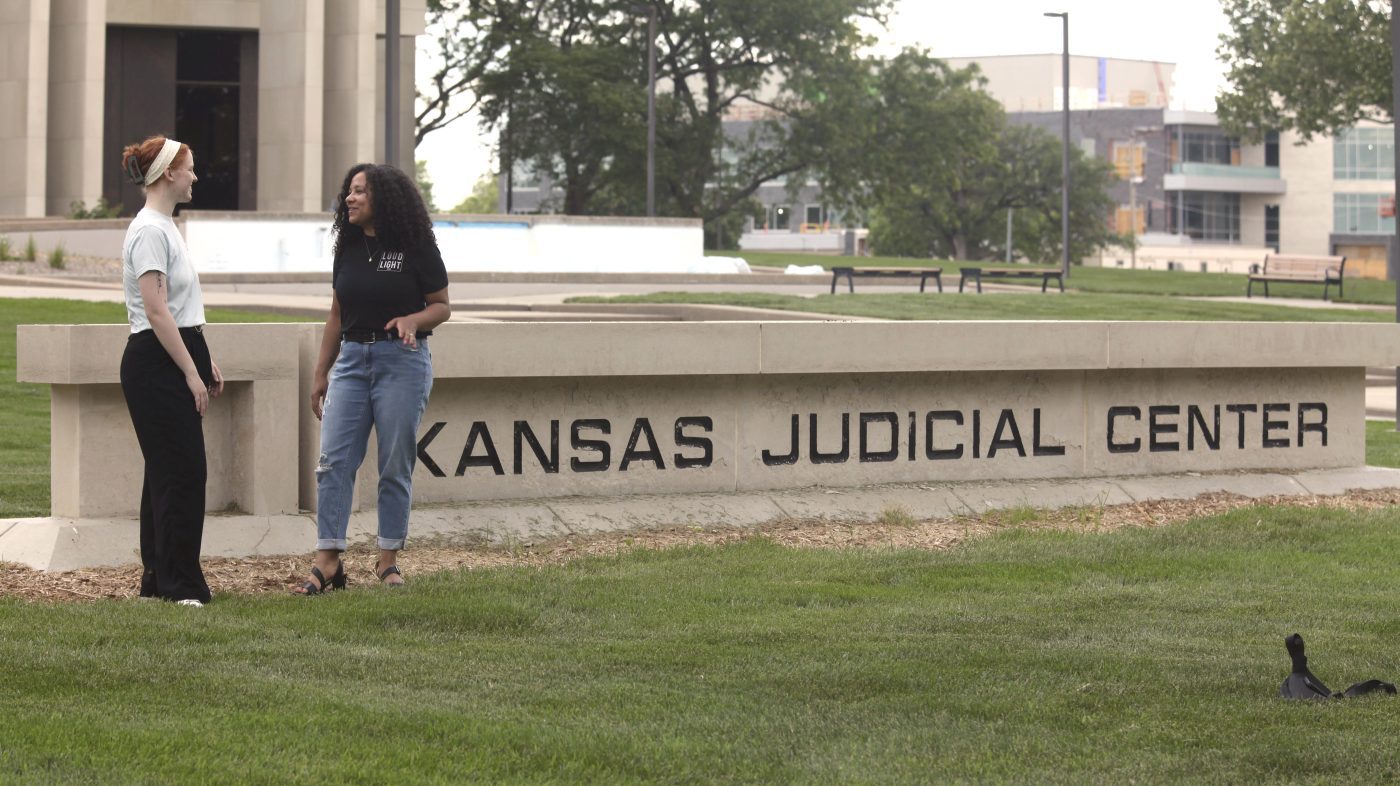
Kansas voters have rejected a ballot measure that would have replaced the state's current system of appointing Supreme Court justices with direct elections, according to Decision Desk HQ projections. The outcome marks a significant setback for conservative groups that had pushed for the change, hoping to reshape a court they view as too liberal.
The measure, which appeared on Tuesday's ballot, would have scrapped the merit selection process in place since 1958. Under that system, the governor appoints justices, who then face periodic retention elections. Had the measure passed, candidates for the high court would have run in partisan or nonpartisan elections, giving voters a more direct say in who sits on the bench.
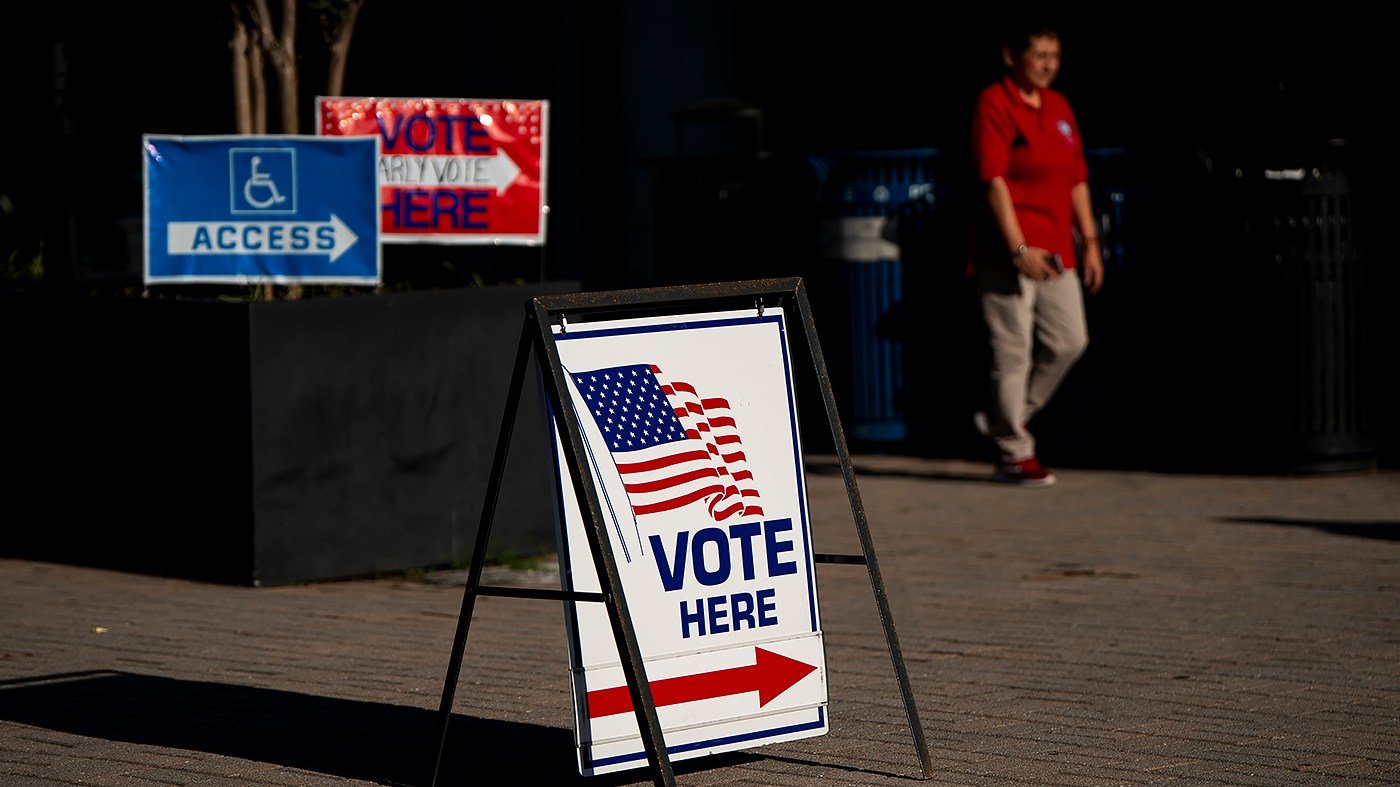
Opponents of the measure, including abortion rights organizations, campaigned vigorously against it, warning that direct elections could inject more politics into judicial decisions. Their victory is being hailed as a major win for those who favor the current appointment system.
The push for change was fueled by conservative frustration with the Kansas Supreme Court's rulings on contentious issues, particularly abortion. In 2024, the court struck down two anti-abortion laws, ruling that the state constitution's protection of personal autonomy includes the right to an abortion. That decision galvanized conservative lawmakers and activists, who argued that the court was out of step with the state's electorate.
Currently, five of the seven justices on the Kansas Supreme Court were appointed by Democratic governors—either Laura Kelly or Kathleen Sebelius. The court also has one vacancy, which could be filled by Governor Kelly before her term ends. That appointment could further solidify the court's liberal majority, making the ballot measure's defeat all the more consequential for conservatives.
The outcome is also a reflection of broader political dynamics in Kansas, where voters have shown support for abortion rights in recent elections. In 2022, Kansans overwhelmingly rejected a constitutional amendment that would have allowed the legislature to restrict abortion, a result that was seen as a bellwether for the national debate.
Political analysts note that the defeat of this measure does not end the debate over judicial selection in Kansas. Conservative groups may pursue other avenues, such as legislative proposals to alter the court's structure or jurisdiction. However, the direct election route has now been firmly closed by voters.
For now, the Kansas Supreme Court will continue to operate under the existing appointment system, with its current composition likely to remain intact for the foreseeable future. The decision reflects a broader trend in some states where voters have resisted efforts to politicize judicial selection, even as partisan tensions over court rulings escalate.