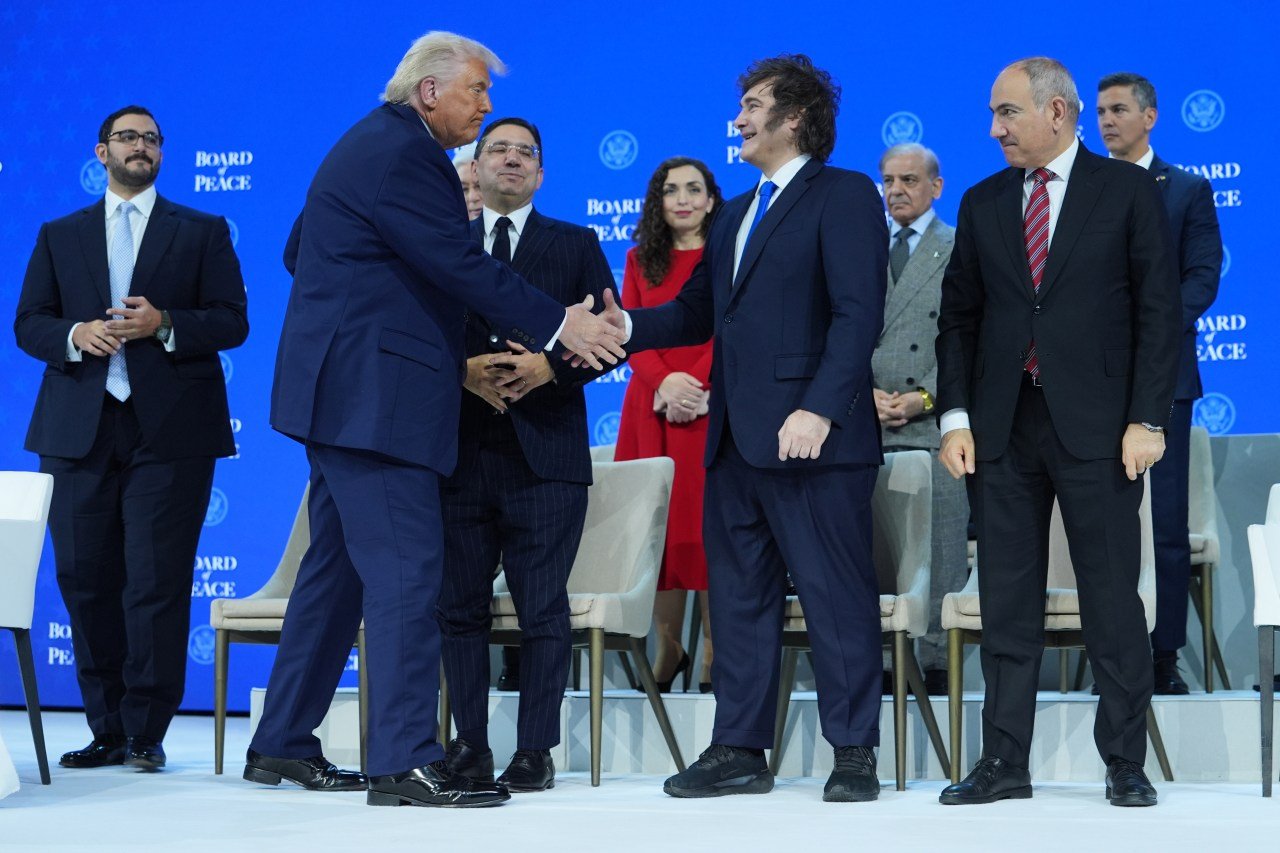
The Trump administration announced on Wednesday that it will set aside up to $7 billion in loans to support energy, mining, and infrastructure projects in Argentina, a move that bolsters the libertarian government of President Javier Milei and seeks to secure critical minerals closer to home.
The U.S. Export-Import Bank will make the funds available through 2027, according to the State Department. The loans will help Argentine companies purchase American equipment and hire U.S. firms to expand railways, pipelines, ports, and power networks—infrastructure that has long been a bottleneck for Argentina's remote mineral and shale deposits.
The deal is part of a broader strategy by President Donald Trump to reduce U.S. dependence on China's mineral processing industry, while also providing a lifeline to Milei, who is betting on oil, gas, and mineral exports to transform Argentina's economy and ease chronic dollar shortages that have fueled repeated crises.
“Working together, the United States and Argentina seek to continue to build on our robust relationship through increased U.S. investment, close security cooperation and aligned values,” the State Department said in a statement.
The relationship has already paid dividends for Buenos Aires. Last year, Washington backed a $20 billion International Monetary Fund bailout and extended a $20 billion currency-swap line to stabilize the peso. The two countries also signed a free trade pact earlier this year.
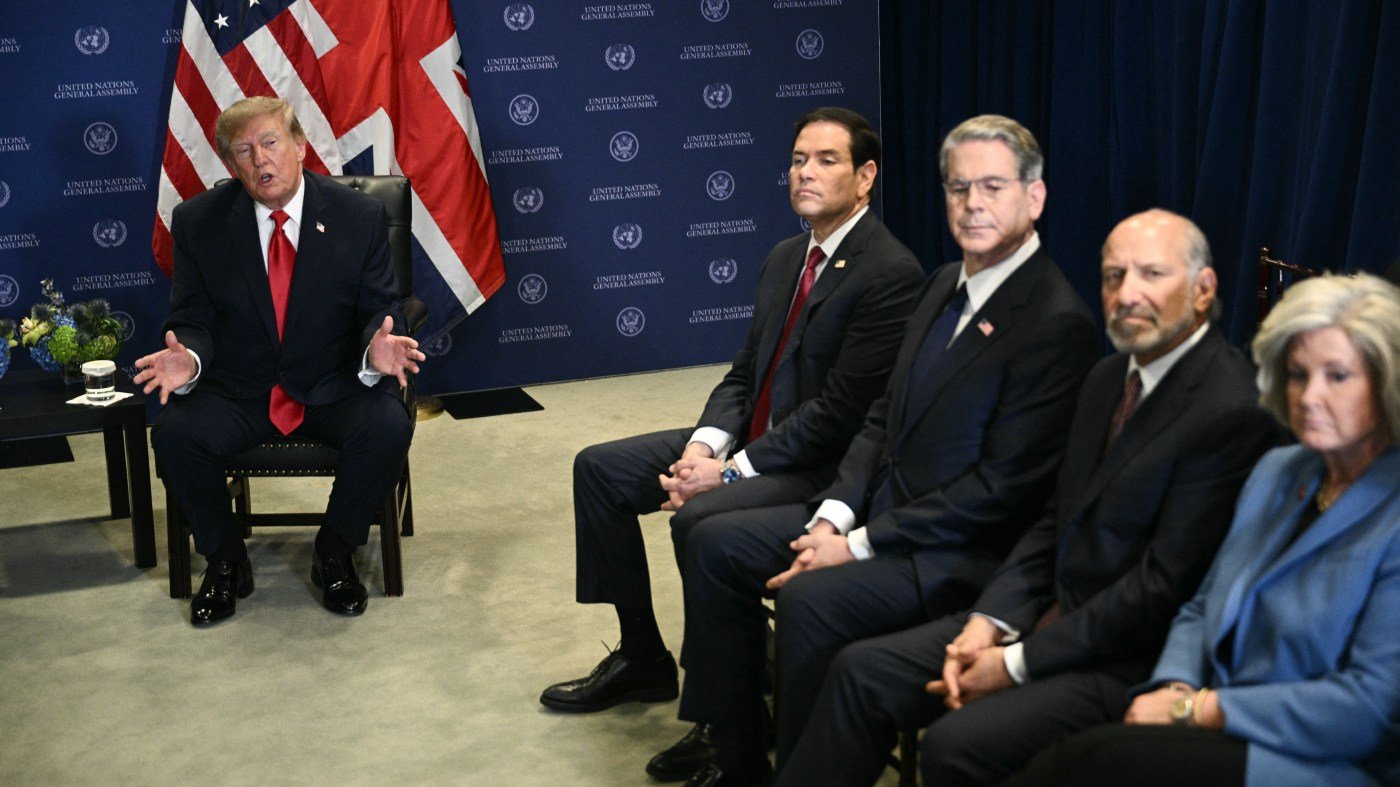
On the sidelines of the U.N. General Assembly in New York, U.S. Deputy Secretary of State Christopher Landau and Argentine Foreign Minister Pablo Quirno said the agreement aims to connect Argentina's lithium- and copper-rich northwest and the vast Vaca Muerta shale fields to ports, making it easier to ship minerals, oil, and gas to the U.S. and other markets.
Inadequate transport and energy infrastructure has long hampered development of Argentina's remote deposits. The country's history of protectionist trade policies, currency controls, and sovereign debt defaults has also discouraged foreign investment. Trump's approval ratings have been under pressure as economic anxiety grows at home, but the administration is pressing forward with its trade and investment agenda.
Milei, a fierce believer in free markets, has moved to open Argentina's economy, scrapping import restrictions and offering tax breaks to attract investors. That has led to a surge in cheap imports, squeezing labor-intensive industries like manufacturing and retail already struggling under Milei's spending cuts and tight monetary policy. Booming oil production and mining exports have become an economic lifeline.
Argentina holds vast deposits of lithium and copper, minerals essential for the global shift toward green energy. The U.S. loan program is expected to accelerate development of these resources, with the aim of creating a more reliable supply chain for American industries.
The announcement comes amid ongoing trade tensions with China, as Washington seeks to counter Beijing's influence in Latin America. The loan package is seen as a strategic move to deepen U.S. ties with a key regional ally.