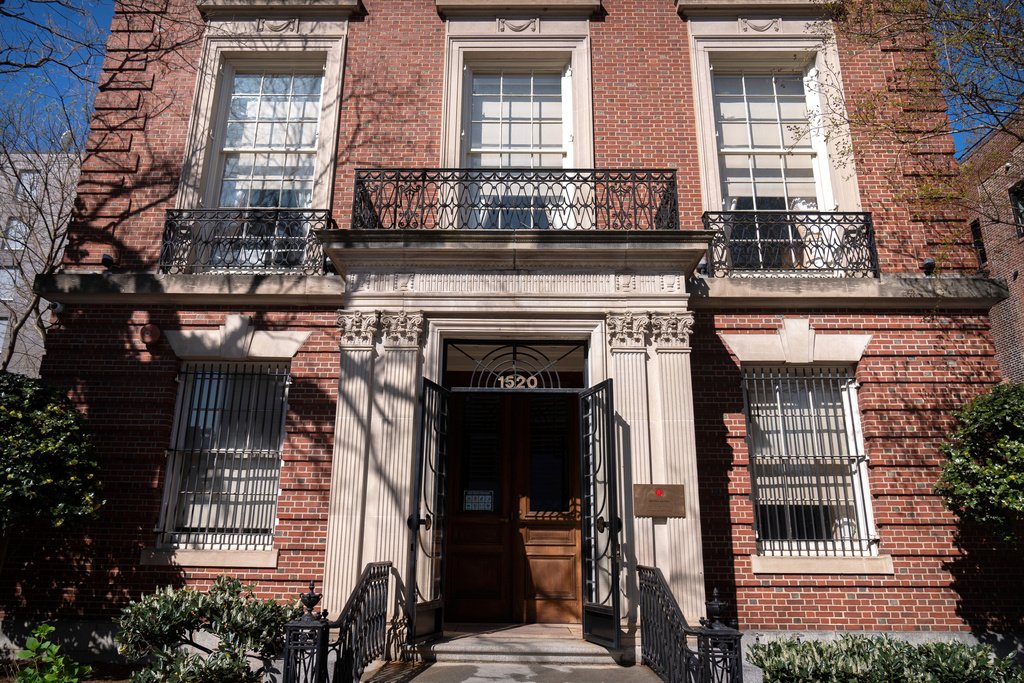
Last week, a London court handed down the first convictions under the UK National Security Act for aiding a foreign intelligence service. The defendants—Bill Yuen, a senior manager at the Hong Kong Economic and Trade Office (HKETO) in London, and Peter Wai, a UK Border Force officer acting on his orders—were found guilty of surveilling Hong Kong dissidents on British soil, mining government immigration databases to track them, and attempting to forcibly remove a Hong Kong woman from her home.
The United States maintains three HKETOs in Washington, D.C., New York, and San Francisco, which enjoy quasi-diplomatic privileges and immunities. For three years, Congress has debated a bill requiring the president to annually certify whether these privileges are justified. The Hong Kong Economic and Trade Office Certification Act has languished, never passing both chambers despite broad bipartisan support.
What the Certification Act Would Do
The proposed legislation mandates the president to determine each year whether these offices should retain protections such as immunity from lawsuits and property tax exemptions. If the president concludes Hong Kong no longer deserves these privileges, the offices would have 180 days to close. It is a mechanism for accountability, not confrontation.
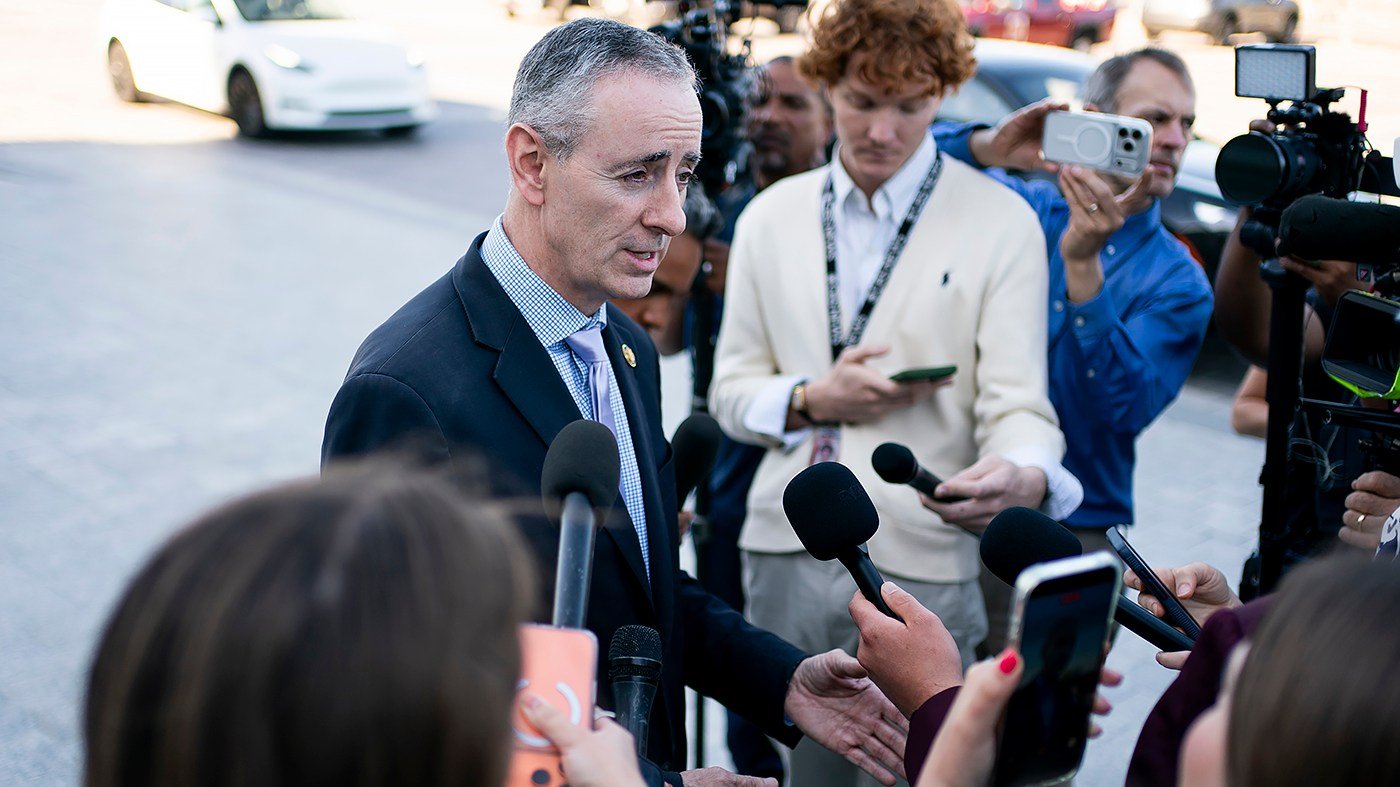
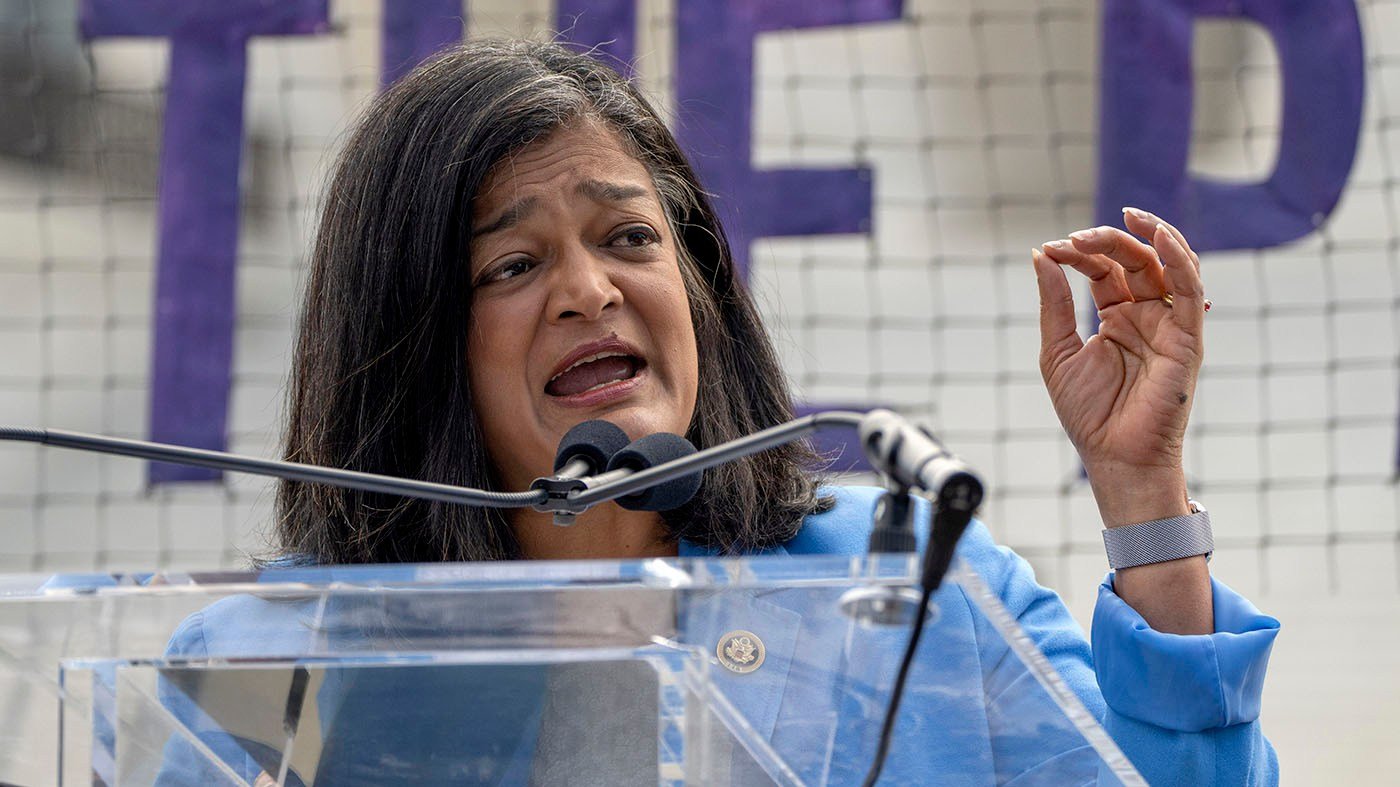
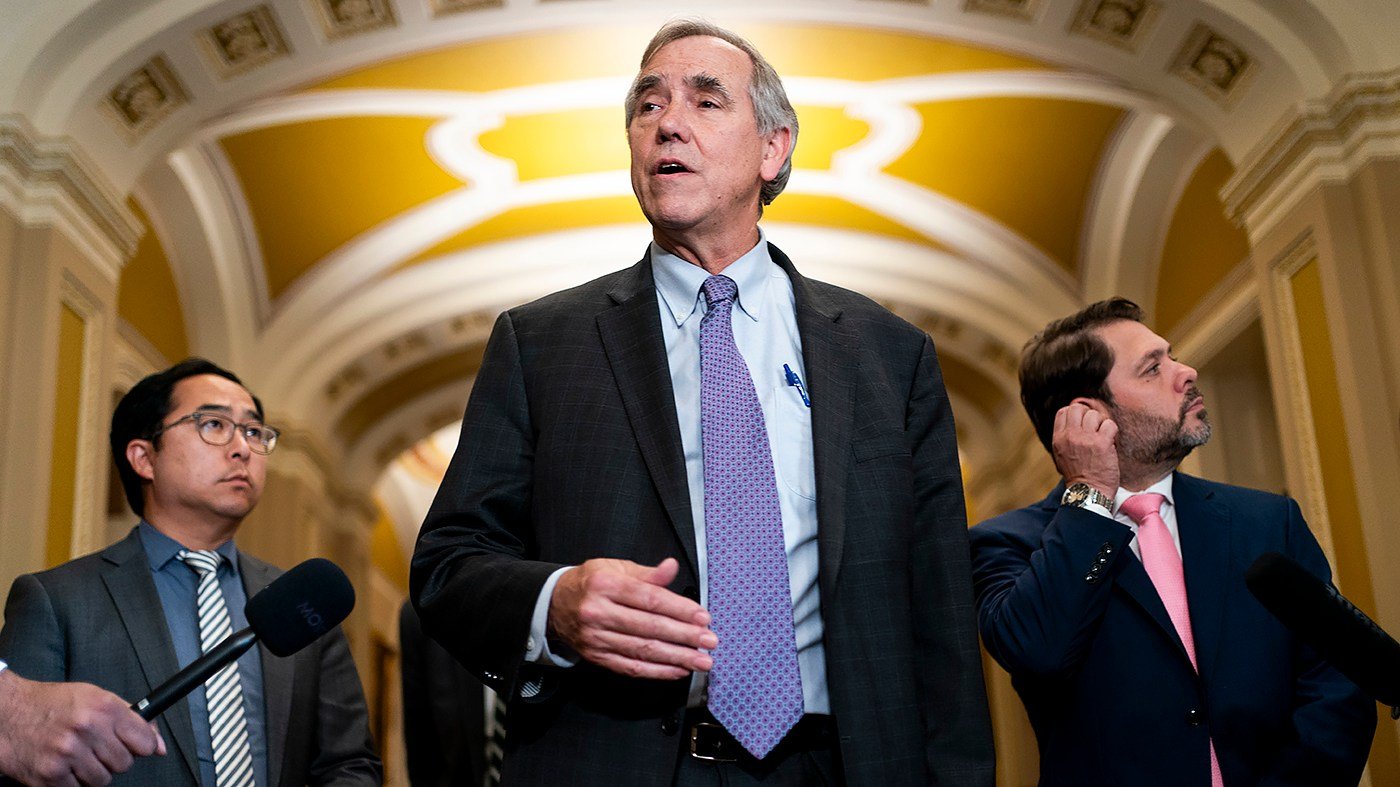
The House passed the bill 413-3 in September 2024, but the Senate placed it on the legislative calendar and let it expire when the 118th Congress adjourned in January 2025. Both chambers have reintroduced the bill in the 119th Congress, but neither has advanced. The London convictions eliminate any remaining excuse for delay, according to critics.
Evidence of Misuse
Civil society groups have long documented the gap between HKETOs' stated mission and their actual activities. Hong Kong Watch research indicates these offices serve not to support Hong Kongers abroad but to promote the Chinese Communist Party’s agenda, providing budget, staff, and diplomatic cover. After the 2024 passage of the Safeguarding National Security Ordinance in Hong Kong, their mandate to strengthen ties with mainland China expanded further.
Hong Kong Free Press reported that the Hong Kong Trade Development Council paid nearly $11 million to US lobbying firms from 2014 to 2020 to block legislation supporting Hong Kong’s pro-democracy movement, with the Washington HKETO directing the operation. These are not neutral trade offices; they are political actors operating under a shield built for a different era.
The legal basis for that shield—an executive order on June 30, 1997, assuming Hong Kong’s autonomy—is now dead. Beijing imposed the National Security Law in 2020, followed by the Hong Kong security law in 2024. The free press is gone, and dozens of pro-democracy figures, including British citizen Jimmy Lai, are imprisoned. The London trial shows what that means on the ground: an HKETO official directed a shadow policing operation against people in Britain, surveilling a Hong Kong woman in her home and attempting to force entry.
Broader Concerns
There are ample reasons to question whether US-based HKETOs are different, as China projects power on American soil. Bounties have been issued against Hong Kong activists in the US, including a US citizen and a US resident. This week, Liu Jianwang was convicted of running a secret Chinese police station in Manhattan’s Chinatown. These incidents underscore that such infrastructure already exists in America, protected by privileges that hinder oversight.
The Certification Act would not automatically close offices, but it would force the president to go on record annually about whether these privileges remain warranted. The House has shown near-unanimous bipartisan support, while the Senate has twice let the bill die. London has now demonstrated what an HKETO looks like when unmonitored. Congress should not need another lesson.