The Union of European Football Leagues (UEFA) issued a blistering statement Monday condemning FIFA's decision to overturn a one-match suspension for U.S. international Folarin Balogun, following a phone call between President Donald Trump and FIFA President Gianni Infantino. UEFA described the reversal as a breach of the sport's core principles.
In a statement on its website, UEFA said the move to place Balogun on a one-year probation instead of enforcing the automatic red-card ban had “crossed a red-line.” The organization argued that the rule requiring a one-match suspension for a red card is not open to interpretation but is a fundamental tenet of fair play.
“Football, like any other sport, relies on rules, which are the basis for fair, honest and transparent competition. Sometimes rules are open to interpretation. In this case not,” UEFA added, emphasizing that the automatic suspension is “a principle embedded in regulations” and cannot be subject to individual exceptions.
UEFA pointed to several precedents where players served their bans without special treatment. For instance, Qatar's Assim Madibom received a five-match ban for a serious tackle during the World Cup. Meanwhile, Portugal's Cristiano Ronaldo, Argentina's Nicolás Otamendi, and Ecuador's Moisés Caicedo were all granted deferred bans, but only after serving the initial one-game suspension.
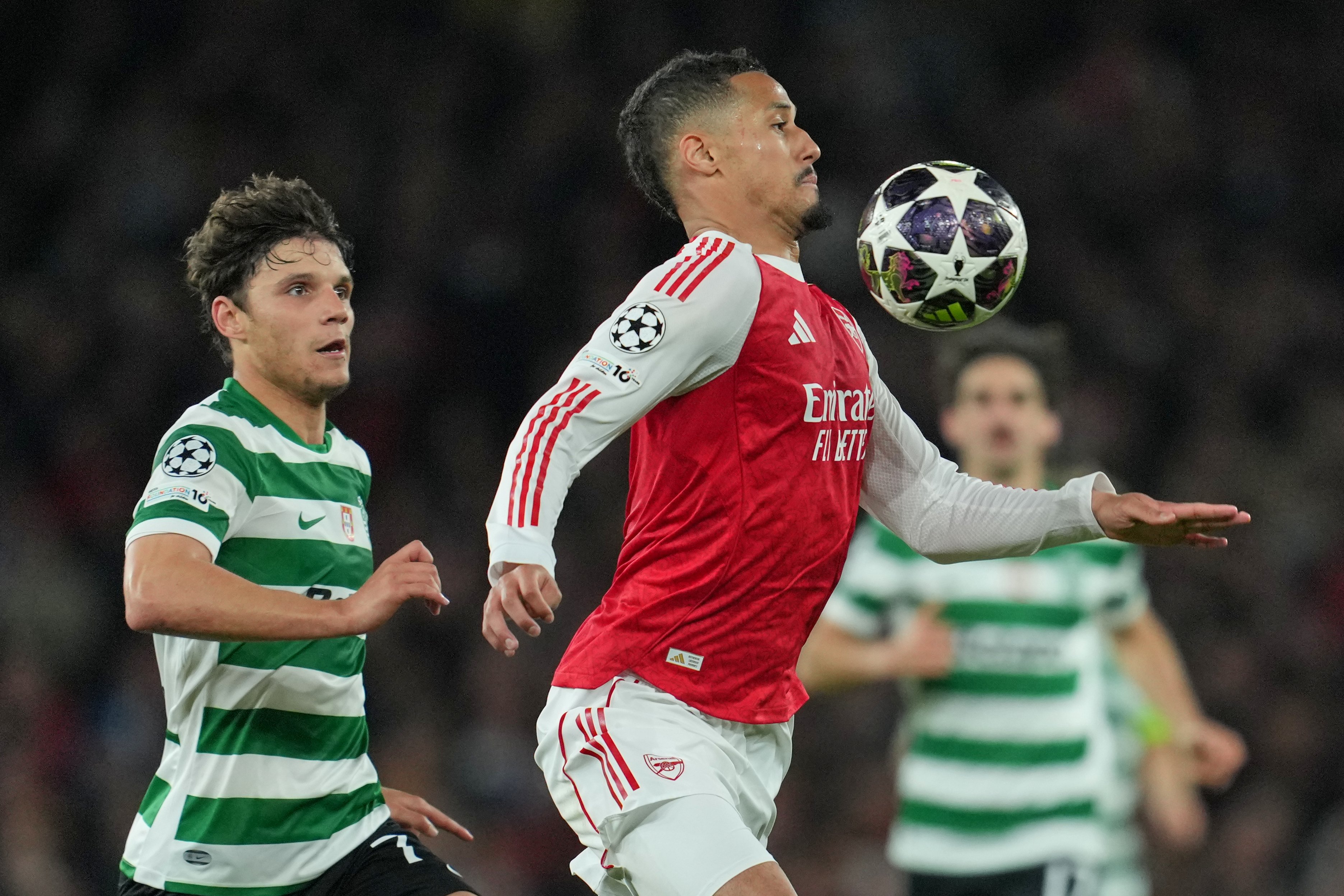
Balogun received a red card for a tackle on Bosnia-Herzegovina defender Tarik Muharemovic in a round-of-32 match. Muharemovic was not seriously injured, and FIFA invoked Article 27 of its disciplinary code to suspend the ban, placing Balogun on a one-year probation. He will only serve the suspension if he receives another red card for a similar offense within that period.
The Belgian football association expressed its “astonishment” at the decision on Sunday. Norway coach Ståle Solbakken called it “a bad, bad, bad, bad, bad decision that will hurt the World Cup,” according to the Associated Press.
The controversy comes amid broader concerns about Trump's influence on international sports governance. Critics argue that the president's direct intervention undermines the integrity of competition—a theme that has also surfaced in debates over Trump's systematic dismantling of post-Watergate ethics reforms. Meanwhile, the incident has reignited discussions about FIFA's independence, especially as the organization faces scrutiny over its handling of disciplinary matters.
UEFA's sharp rebuke signals a growing rift between European football bodies and FIFA, with the former insisting on uniform enforcement of rules. The case highlights the tension between political pressure and the autonomy of sports governance, a dynamic that could have lasting implications for international competitions.