Fifty years after Watergate prompted a wave of bipartisan reforms to clean up government, President Trump is systematically tearing down the institutional safeguards that were supposed to prevent presidents from using public office for private gain. From firing independent watchdogs to weakening whistleblower protections, the administration has targeted nearly every post-Watergate creation designed to check executive power.
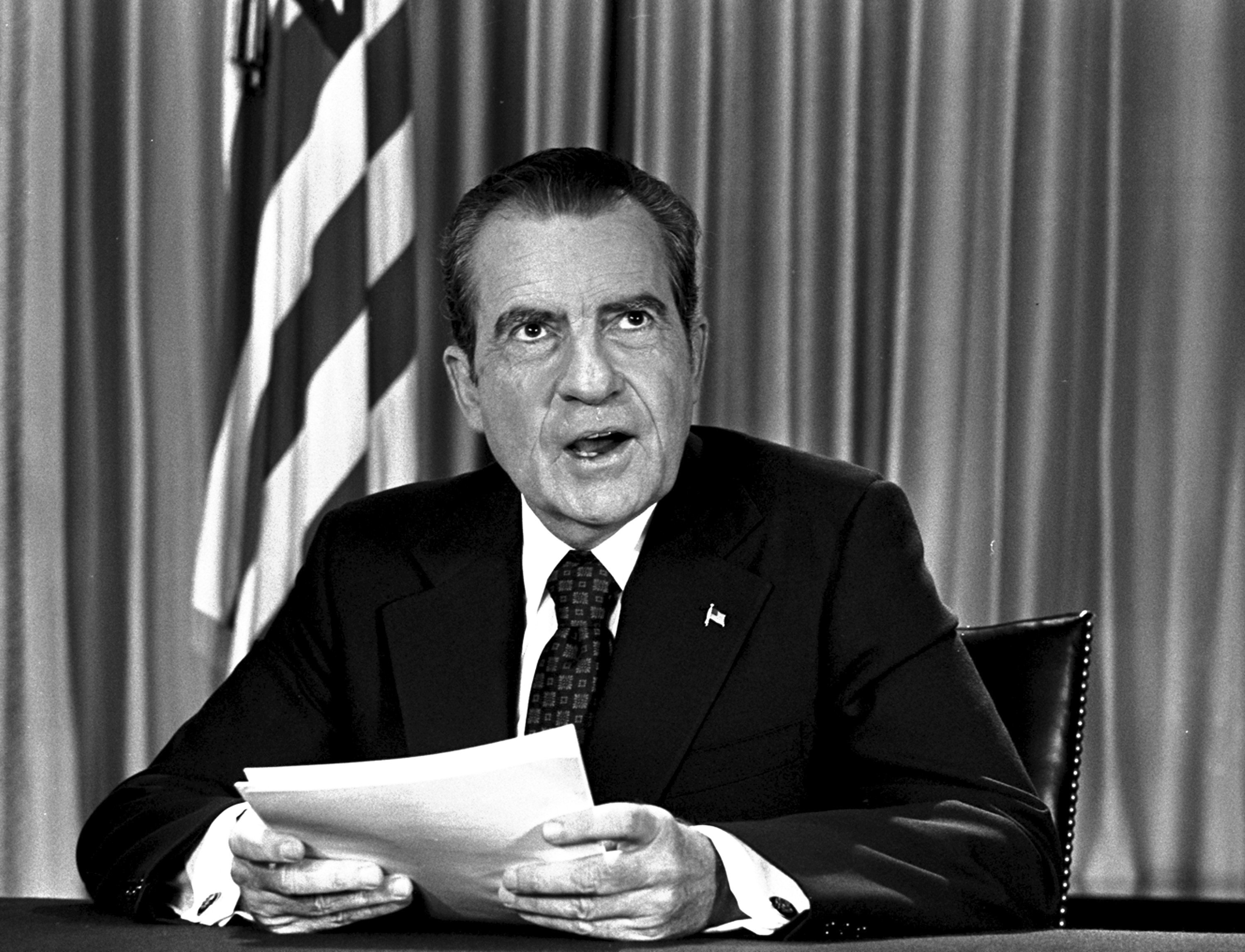
In August 1974, facing impeachment for obstruction of justice and abuse of power, President Richard Nixon resigned. In the decade that followed, Congress — with large bipartisan majorities and signed into law by presidents of both parties — created a series of reforms. The Inspector General Act placed independent watchdogs inside every major federal agency to root out fraud, waste, and abuse. The Ethics in Government Act established an office to oversee executive branch ethics and prevent financial conflicts of interest. The Civil Service Reform Act strengthened protections for whistleblowers.
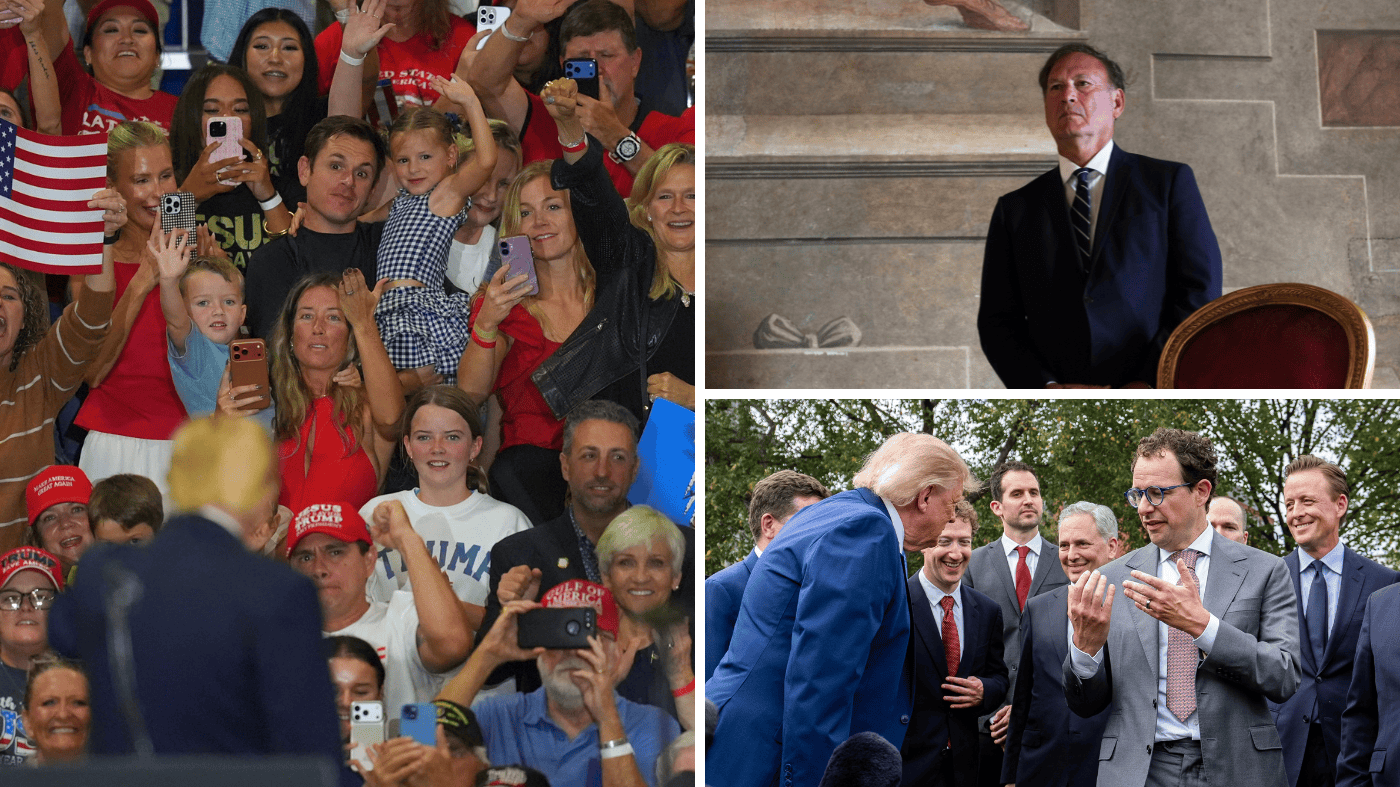
Trump has ignored, undercut, or demolished almost every one of those guardrails. He has refused to put his assets in a blind trust, as past presidents did, instead using his office to help himself and his family amass more than $4 billion, with new conflicts surfacing almost daily. The result: conflicts of interest are easier to conceal, whistleblowers are less likely to come forward, and official misconduct is harder to identify, let alone stop.
Inspectors general — whom President Jimmy Carter called “perhaps the most important tools in the fight against fraud” — may be the most consequential casualties. When President Ronald Reagan fired 15 inspectors general in 1981, bipartisan backlash forced him and his successors to respect their independence. But on the fifth day of his second term, Trump fired 17 of them in a late-night purge, including at the Departments of Defense, State, Justice, Interior, Housing and Urban Development, and Veterans Affairs, without providing the advance notice or substantive justification to Congress required by law. A federal judge ruled the firings unlawful but declined to reinstate the individuals. Since then, the administration has fired or forced out at least four more inspectors general, leaving more than 70 percent of Senate-confirmed inspector general positions vacant, and proposed cutting their collective budgets by 23 percent.
The Office of Government Ethics, which played a pivotal role in previous conflicts with Trump, has fared no better. In February 2025, Trump removed its Senate-confirmed director, David Huitema, three months into his five-year term, by email and without explanation. Last week, Trump nominated Michael Chamberlain, whom critics view as a “hyper partisan political operative,” as his successor. Trump also fired the head of the Office of Special Counsel, the independent body that protects whistleblowers and enforces the Hatch Act. He then stripped civil service protections from 8,000 senior government officials — the people most likely to witness and report official misconduct.
Last June, Trump gutted the Justice Department’s Office of Public Integrity, another post-Watergate creation. He got rid of 25 of its 30 lawyers, stripped the office of its authority to file new corruption cases, and suspended the requirement that it review every case brought against a member of Congress or other public official — a safeguard against politically motivated prosecutions. Trump has weaponized the Justice Department to punish his perceived enemies while issuing an unprecedented blizzard of pardons to political allies, campaign contributors, convicted January 6 rioters, and wealthy individuals with connections to his family’s business interests, despite convictions ranging from drug trafficking and assault to corruption and fraud.
As the administration dismantles Watergate’s institutional legacy, it is also trying to rewrite history. Speaking recently at the Richard Nixon Presidential Library, Vice President JD Vance insisted that Watergate would amount to little more than “a 12-hour news story” today, adding, “The idea that it would have taken down a presidency is crazy.” But the facts tell a different story. Watergate’s crimes included burglary, bribery, misuse of campaign funds, destruction of evidence, and obstruction of an FBI investigation. Dozens of individuals were charged, including two Cabinet members, and most pleaded guilty or were convicted. President Ford tarnished his own reputation and the fortunes of the Republican Party for several election cycles by pardoning Nixon.
Watergate reforms were bipartisan, not the “deep state” conspiracy Vance imagines. The Inspector General Act passed the Senate by unanimous consent. The Ethics in Government Act passed with broad support. These guardrails were designed to ensure that public office serves the public, not the officeholder. Trump’s assault on them — from firing watchdogs to pardoning allies — represents a fundamental challenge to democratic accountability. As Trump prepares to deliver an extended address on the National Mall for America’s 250th anniversary, his administration’s dismantling of post-Watergate safeguards raises urgent questions about the future of government integrity.