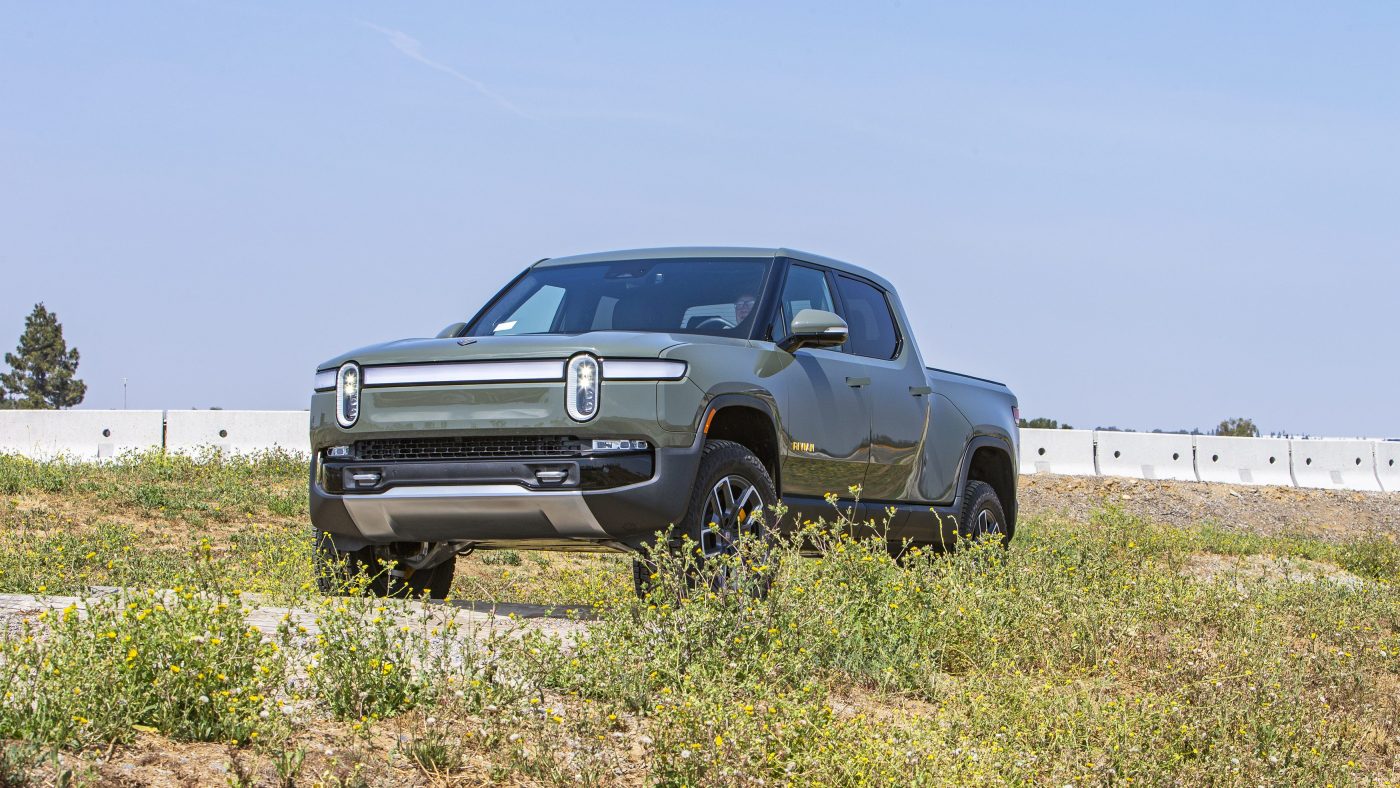
Uber has made a decisive move into the future of autonomous transportation, announcing a major strategic partnership with electric vehicle manufacturer Rivian. The ride-hailing giant plans to invest up to $1.25 billion over the next five years to co-develop and deploy a fleet of Rivian's R2 vehicles as robotaxis, which will operate exclusively on the Uber network.
The agreement, detailed in a Thursday announcement, includes an initial $300 million commitment to kickstart the project, pending regulatory approvals. The ambitious plan aims to put thousands of these autonomous vehicles on the streets of 25 cities across the United States, Canada, and Europe by the end of 2031.

A Vertically Integrated Strategy
In the release, Uber CEO Dara Khosrowshahi emphasized his confidence in Rivian's integrated approach. "We're big believers in Rivian's approach—designing the vehicle, computer platform, and software stack together, while maintaining end-to-end control of scaled manufacturing and supply in the U.S.," Khosrowshahi stated. He argued that this vertical integration, combined with data from Rivian's consumer vehicles and fleet management experience, provides a solid foundation for the partnership's ambitious targets.
This investment represents a significant escalation in Uber's autonomous vehicle strategy, moving beyond pilot programs to a scaled, manufacturer-specific fleet. It signals a shift from partnerships with multiple autonomous vehicle developers to a deeper, capital-intensive alliance with a single EV maker.
Building on Existing Autonomous Operations
The partnership builds on Uber's existing forays into driverless technology. The company began offering limited robotaxi services in Dallas last December using vehicles from a different provider, which it marketed as a novel experience for riders. The Rivian deal, however, represents a more substantial and long-term commitment to owning a segment of the autonomous future.
The focus on the R2 platform, Rivian's upcoming midsize SUV designed for higher volume production, suggests a strategy aimed at mainstream adoption and cost efficiency. Securing an exclusive deal for these vehicles gives Uber a potential competitive moat in the emerging robotaxi market, while providing Rivian with a guaranteed, high-volume customer for its manufacturing output.
The announcement comes amid a complex regulatory and political landscape for autonomous vehicles and technology investments. The success of such ventures often hinges on local and federal approvals, a reality underscored by Uber's conditional $300 million pledge. This technological push occurs alongside other contentious policy debates, such as the ongoing scrutiny over homeland security funding and immigration enforcement priorities, which highlight the intersection of technology, infrastructure, and governance.
Furthermore, large-scale technological deployments by major corporations frequently attract political and public scrutiny. As seen in other sectors, from federal lawsuits challenging major renovation plans to debates over media access like the Pentagon's handling of press workspace policies, the implementation of transformative technologies is rarely a purely commercial affair.
For both companies, the stakes are high. Uber is betting a substantial portion of its capital on a specific technological path to autonomy, while Rivian gains a powerful ally and a significant demand anchor as it scales production. The partnership aims to merge Rivian's manufacturing and vehicle design capabilities with Uber's vast network data and ride-hailing platform, creating a closed-loop system for autonomous ride-sharing.
If successful, the collaboration could redefine urban mobility and provide a blueprint for tech-auto partnerships. However, it faces formidable challenges, including technological hurdles, safety validation, public acceptance, and the evolving patchwork of regulations across multiple countries and municipalities. The 2031 target for a scaled fleet leaves a long runway for development, but also underscores the complexity of the task ahead.