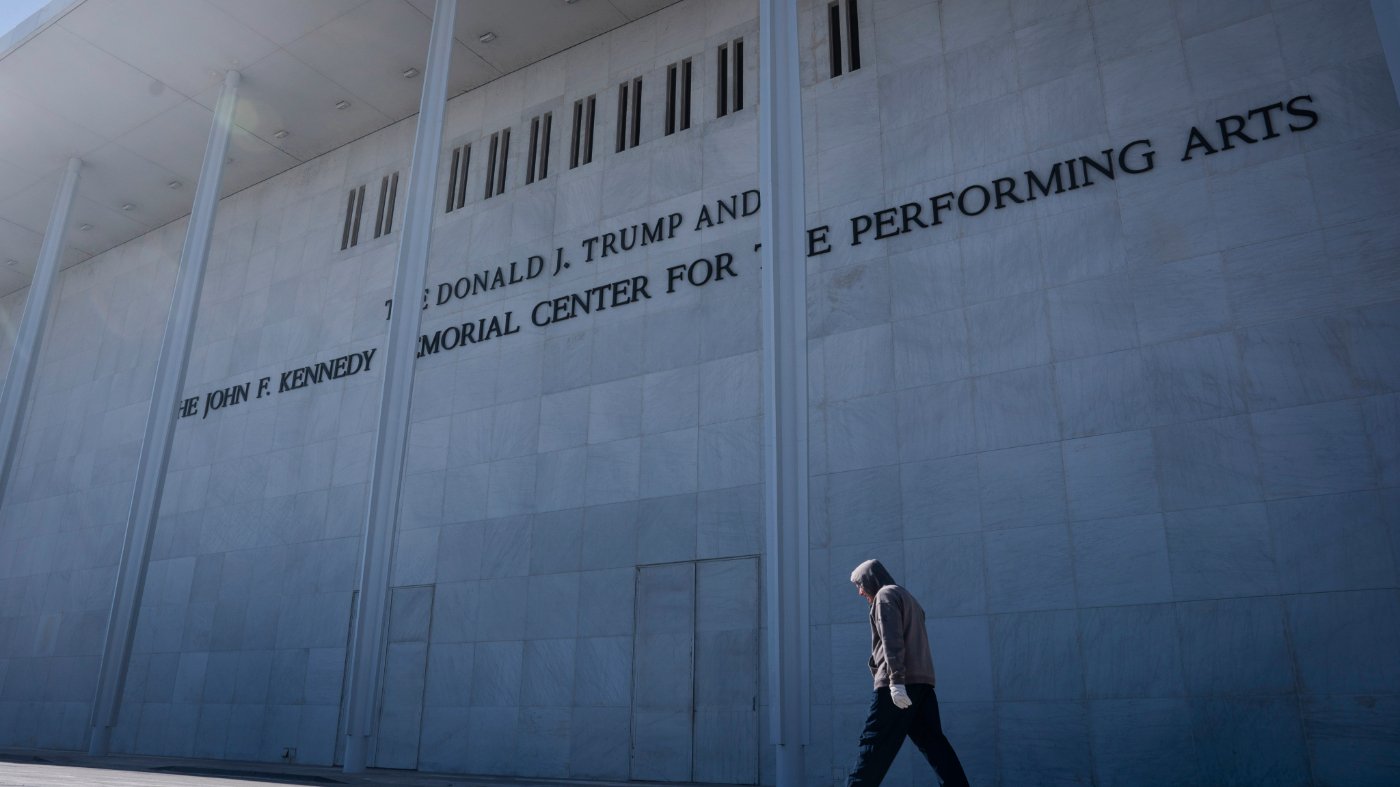
A coalition of historic preservation and architectural organizations filed a federal lawsuit on Monday against President Donald Trump and the board of trustees of the John F. Kennedy Center for the Performing Arts. The legal action seeks an injunction to stop a sweeping renovation project scheduled to commence in July, following a July 4th celebration at the venue.
The complaint, lodged in the U.S. District Court for the District of Columbia, names President Trump in his capacity as chairman of the center's board, the board itself, and Interior Secretary Doug Burgum as defendants. It contends the planned two-year closure and overhaul would inflict "irreparable harm" on the building and violate procedural safeguards intended to protect significant national landmarks.
Allegations of Overreach and Permanent Damage
In an 82-page filing, the plaintiffs argue the project extends far beyond necessary maintenance into the realm of radical transformation. "Demolition, new construction, major reconstruction, major renovation, or major aesthetic transformation of the Kennedy Center would permanently destroy historic fabric, degrade the monumental core’s vistas and public grounds, and compromise the Kennedy Center’s memorial purpose and architectural integrity," the lawsuit states. It claims the work "would go well beyond" addressing deferred maintenance and instead envisions "the erection of a fundamentally new structure."
The legal challenge emerges just days after the board, which President Trump oversees and has populated with new appointees since returning to office, voted to proceed with the renovation. Congress allocated $257 million for the project through the "One Big Beautiful Bill," with stated aims to remedy long-standing maintenance issues at the facility.
Political Context and a Second Legal Challenge
The lawsuit adds to growing political friction surrounding the Kennedy Center under the current administration. Since last January, President Trump has exerted considerable influence over the institution, appointing new board members and assuming the chairmanship. In a controversial move last December, the board voted to add the president's name to the center, a decision congressional Democrats argued required legislative approval.
This preservation lawsuit is not the only legal obstacle facing the renovation. Earlier this month, Representative Joyce Beatty (D-Ohio), an ex officio member of the center's board, filed separate litigation aiming to prevent the impending closure. Beatty, who was present for the board's approval vote, described the process as rushed. "It was a weak yes, it was not an overwhelming [yes]," she told reporters. "As soon as [Trump] said, ‘All those in favor,’ unanimously followed in nanoseconds. No one said no."
The legal action underscores ongoing tensions between the administration's policy execution and established oversight protocols. It follows a pattern of legal disputes involving the Trump administration's approach to federal properties and institutions, such as when Voice of America journalists sued over alleged censorship mandates.
The plaintiffs' core argument hinges on the claim that the public has been denied a meaningful opportunity to review and comment on changes that would permanently alter a federally protected property. They assert this violates both procedural and substantive protections for historic sites. The White House and the Kennedy Center have not yet issued public statements regarding the litigation.
This dispute over a cultural landmark occurs against a backdrop of the administration navigating multiple high-stakes international and domestic policy fronts. While focused on a domestic arts institution, the lawsuit reflects broader debates over executive authority and preservation law, even as the administration manages other complex issues like the evolving situation in the Strait of Hormuz.