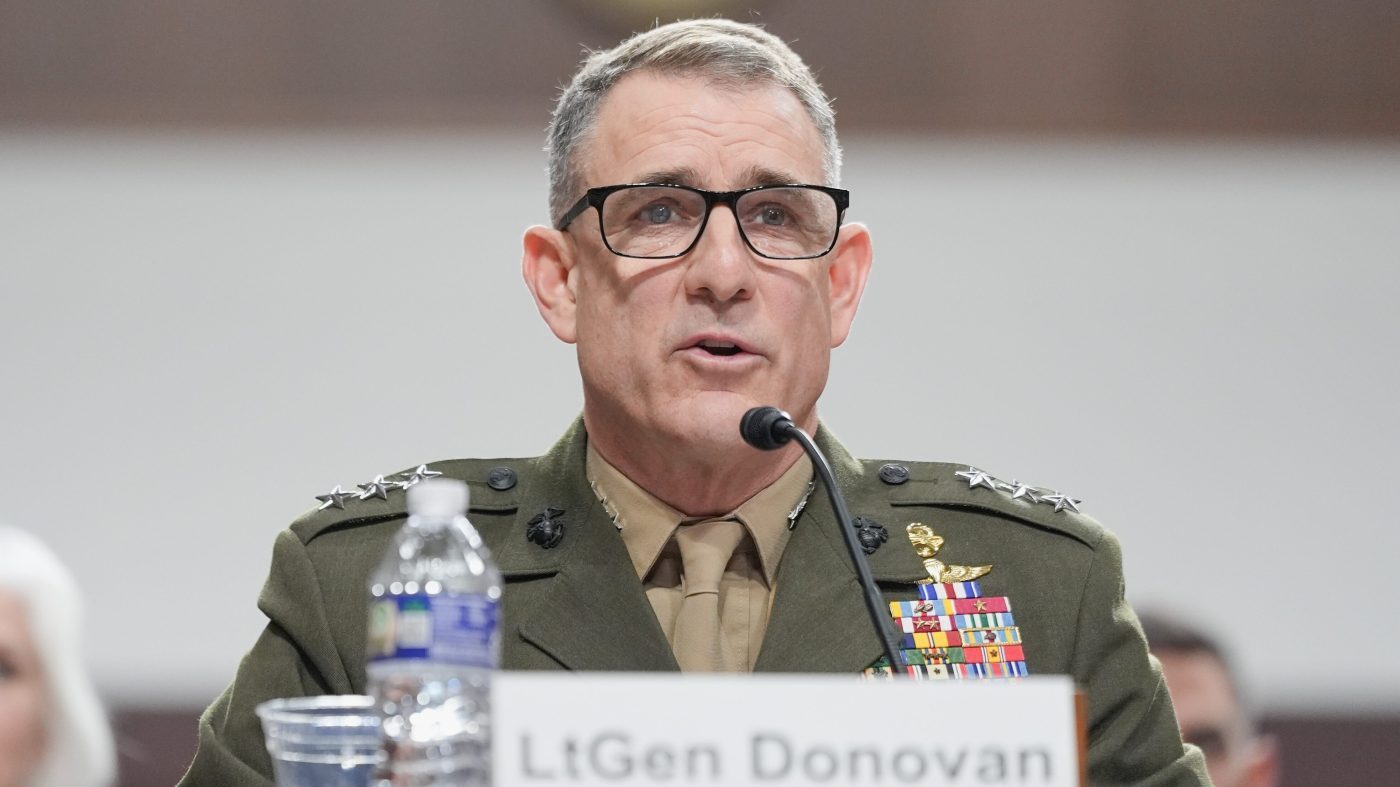
The U.S. military confirmed on Monday that it executed a lethal strike against a boat in the eastern Pacific Ocean, resulting in the deaths of two individuals described by officials as "narco-terrorists." U.S. Southern Command (SOUTHCOM) stated the action was directed by its commander, General Francis L. Donovan, and carried out by Joint Task Force Southern Spear.
In a statement posted on social media, SOUTHCOM said the strike targeted a vessel "operated by Designated Terrorist Organizations" that was transiting known drug trafficking corridors. The command asserted intelligence confirmed the boat was actively involved in narcotics operations. The military released an 18-second video showing the vessel being struck and engulfed in smoke. No U.S. personnel were injured.
The specific terrorist organization involved was not identified by the command. This operation falls under Operation Southern Spear, a Pentagon initiative launched last year that has conducted dozens of similar strikes in the eastern Pacific and Caribbean Sea. The campaign has reportedly resulted in over 150 fatalities.
Analysts view these maritime strikes as a component of sustained U.S. pressure against former Venezuelan President Nicolás Maduro. Maduro, along with his wife Cilia Flores, was arrested by U.S. forces in January on drug-trafficking and weapons charges and is currently on trial in a Manhattan federal court. The Trump administration has framed the interdiction campaign as a critical front against transnational criminal and terrorist networks.
However, the strategy faces significant scrutiny. Legal experts specializing in the laws of war have repeatedly argued that such strikes may violate international law, particularly concerning the use of lethal force against non-state actors on the high seas. Furthermore, the administration has publicly presented limited forensic evidence proving the vessels were carrying illicit narcotics, a point critics frequently highlight.
The Monday strike follows a similar engagement just one day prior, where SOUTHCOM reported five individuals were killed in two separate strikes in the same region, with one survivor whose status remains unknown. The rapid succession of operations signals an intensified tempo for the task force.
President Donald Trump explicitly connected this counter-narcotics model to broader military policy in a post on his Truth Social platform earlier Monday. He warned that any ships violating the U.S. naval blockade of the Strait of Hormuz would be "ELIMINATED" using the "same system of kill that we use against the drug dealers on boats at Sea." This statement directly ties the tactics of Operation Southern Spear to the escalating confrontation with Iran, where the administration has threatened renewed military strikes.
The administration's assertive use of military force in both counter-narcotics and geopolitical standoffs continues to provoke debate over legal boundaries and strategic efficacy. As these campaigns proceed, they underscore a foreign policy approach that prioritizes direct military action over diplomatic channels, a theme also evident in other global hotspots where the U.S. is hosting ceasefire talks amid escalating strikes.