A U.S. military strike on a suspected drug trafficking vessel in the eastern Pacific Ocean killed two men on Wednesday, marking the latest lethal operation in a controversial campaign that has drawn scrutiny from lawmakers and the Pentagon's internal watchdog.
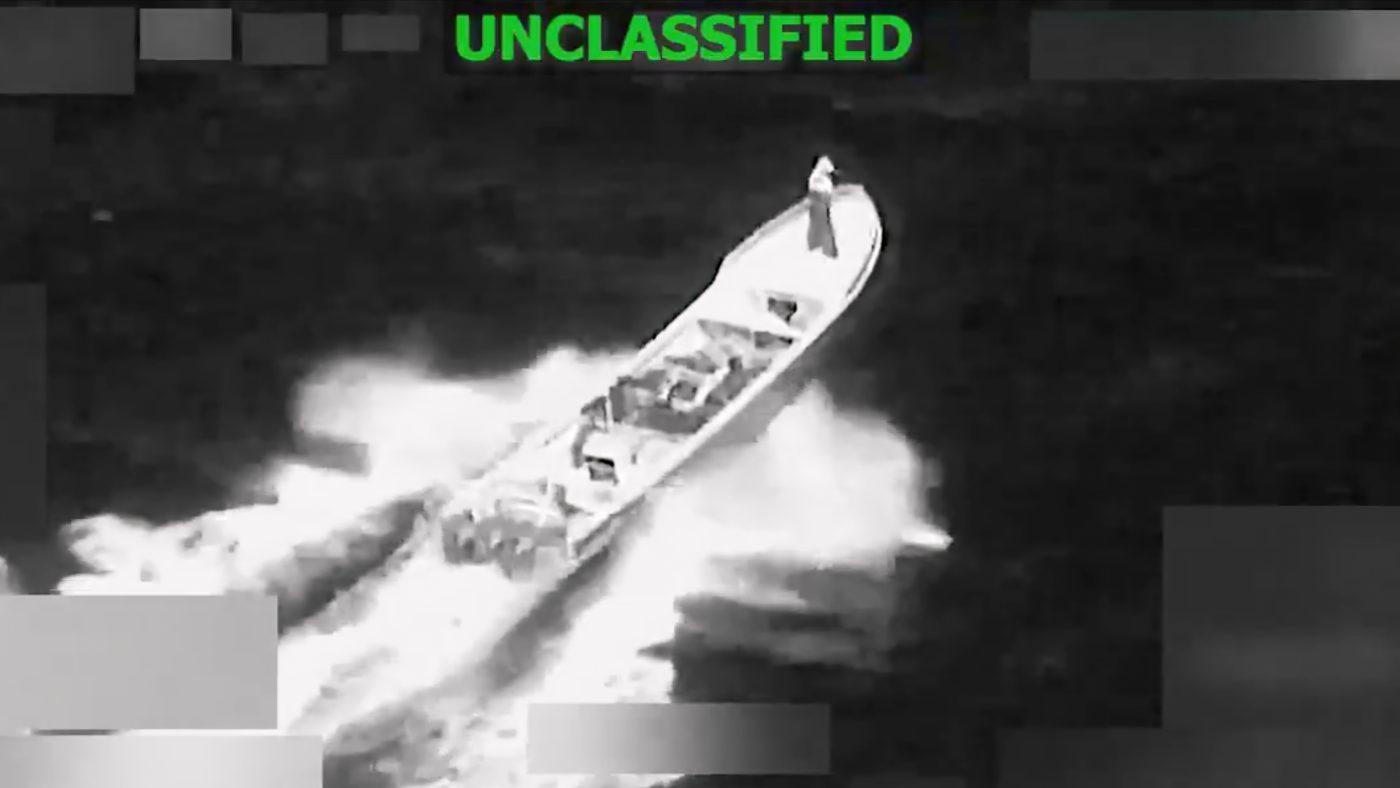
U.S. Southern Command released a 13-second video on social platform X showing the boat rocked by an explosion, followed by flames and smoke engulfing the vessel. The command described the attack as a “lethal kinetic strike on a vessel operated by Designated Terrorist Organizations,” asserting that intelligence confirmed the boat was “engaged in narco-trafficking operations.”
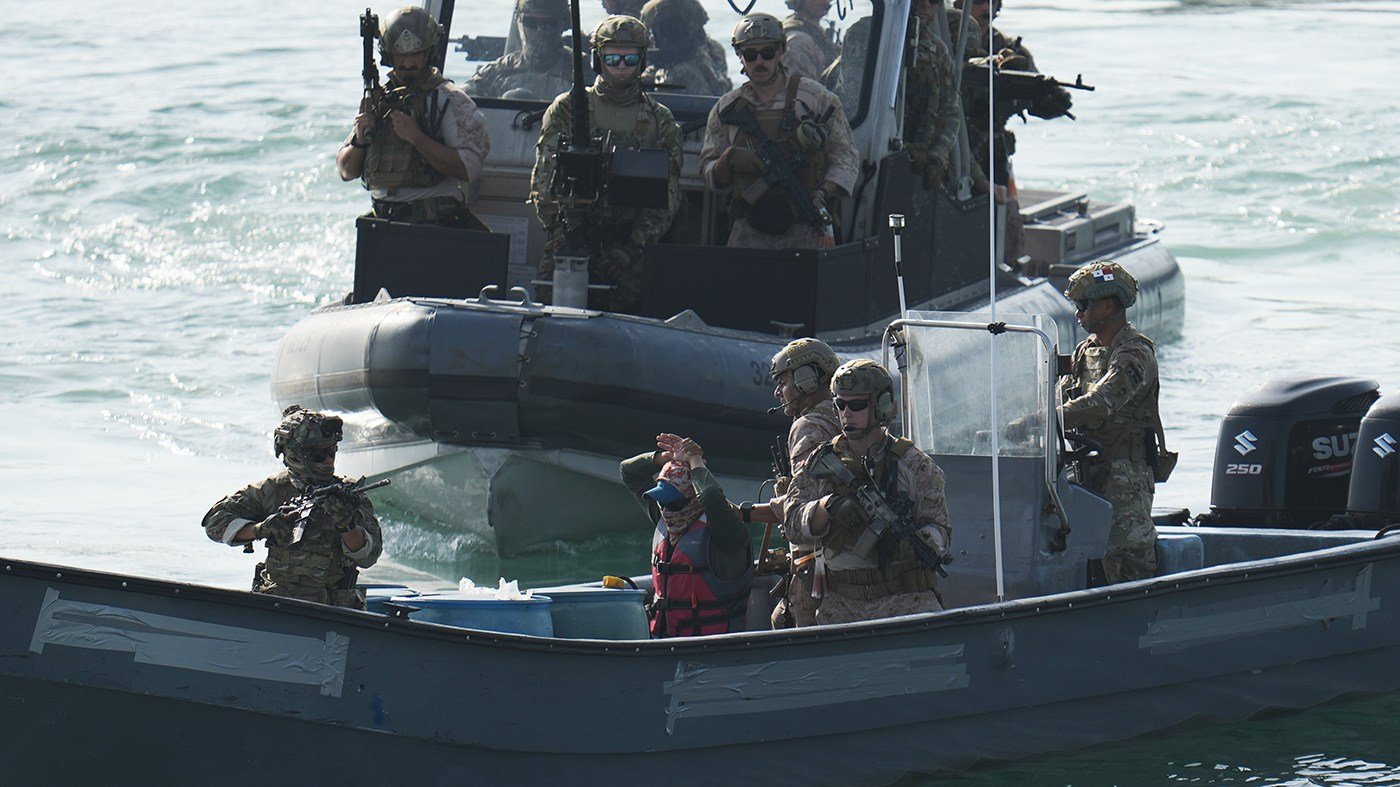
This strike comes just one day after U.S. forces carried out a similar bombing of an alleged drug boat that left one person dead and two survivors. The Trump administration has been aggressively targeting vessels accused of transporting narcotics in the eastern Pacific and Caribbean Sea, with a previous strike that killed one and sparked an oversight probe highlighting the ongoing pattern.
Since September, the administration has struck roughly 60 boats in the region, resulting in at least 196 deaths. The sustained pace of operations prompted the Pentagon’s inspector general earlier this month to launch an investigation into the legal and procedural framework authorizing these attacks.
The evaluation will examine whether Defense officials adhered to the six-phase Joint Targeting Cycle, which includes a military commander’s intent, target development, analysis, decision, execution, and assessment, according to a May 11 letter from the Defense Department inspector general to Under Secretary of Defense for Intelligence and Security Bradley D. Hansell.
Democratic lawmakers, retired military officials, and war experts have continued to question the legality of the repeated strikes, pointing out that the military has not publicly provided evidence that any of the boats were actually carrying drugs. Critics argue the operations lack transparency and may violate international law.
The administration’s aggressive posture in the region coincides with broader tensions, including exchanges of strikes with Iran as Trump downplays deal pressure, suggesting a widening use of military force across multiple theaters.
Meanwhile, the Pentagon’s internal review is expected to assess whether targeting procedures were properly followed, though it remains unclear whether the findings will be made public. The lack of independent verification of the drug allegations has fueled calls from oversight advocates for a more rigorous process.