A U.S.-led military operation on Tuesday struck a vessel suspected of drug trafficking in the Eastern Pacific, resulting in one fatality and two survivors. The attack is part of the Trump administration's ongoing campaign to dismantle maritime narcotics smuggling networks operating in the region and the Caribbean Sea.
U.S. Southern Command confirmed the strike on social media platform X, stating that intelligence indicated the vessel was traveling along known narco-trafficking routes and was actively engaged in illicit drug operations. The post also claimed the boat was crewed by members of U.S.-designated terrorist organizations, though no specific groups were named.
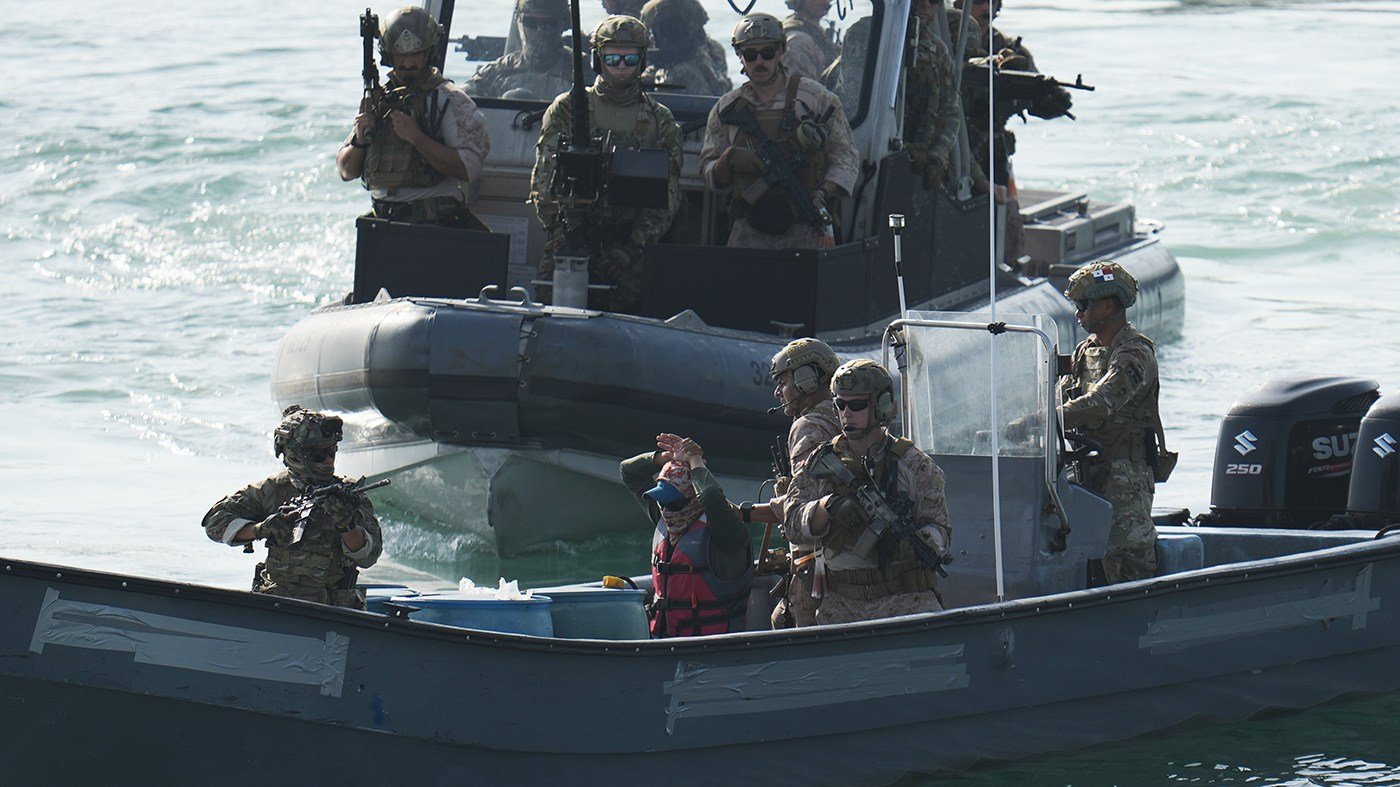
This incident marks the latest in a series of U.S. strikes targeting suspected drug boats, which have now resulted in 194 deaths, according to Associated Press data. Since September, American forces have struck approximately 60 vessels, drawing scrutiny from lawmakers and legal experts.
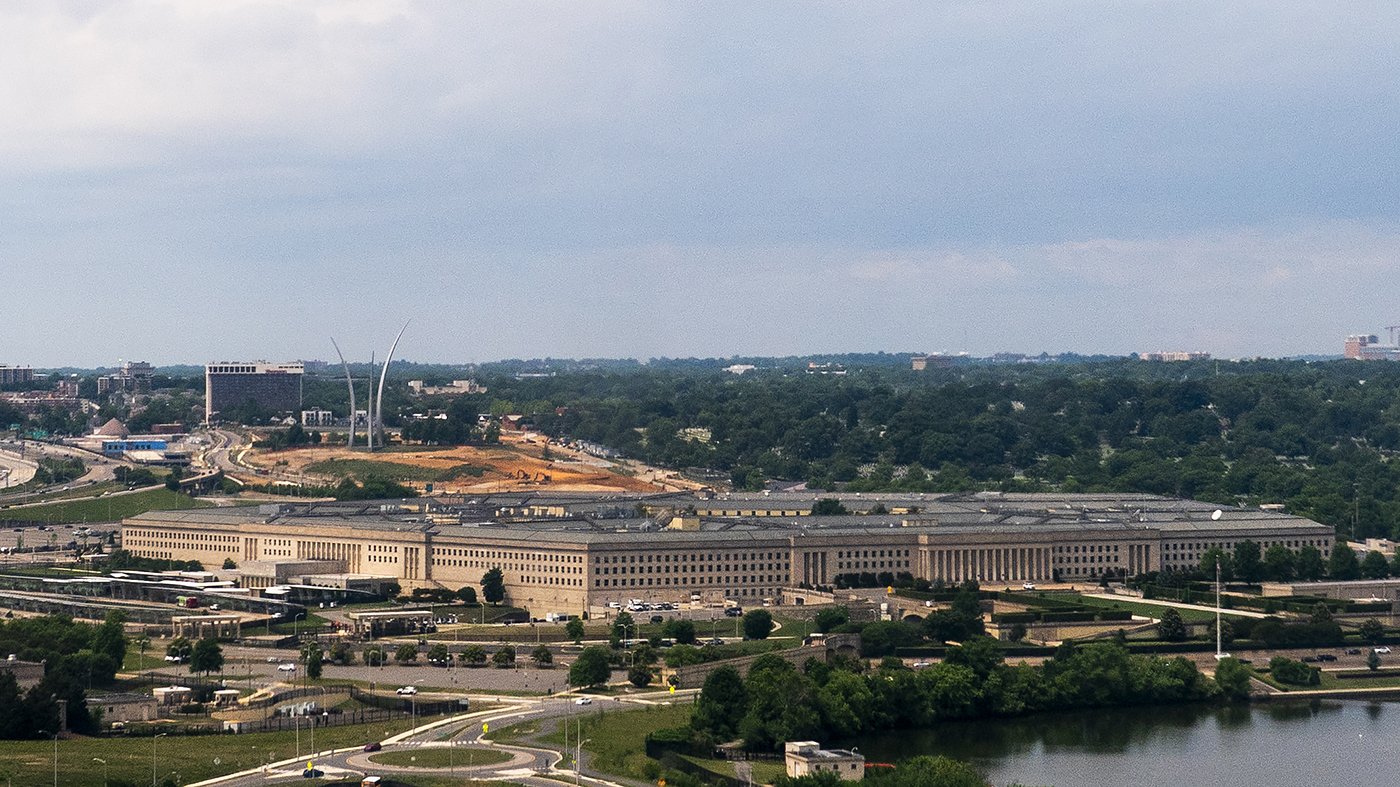
The Pentagon's inspector general announced earlier this month that it would investigate whether the strikes comply with the established Joint Targeting Cycle framework. In a May 11 letter to Under Secretary of Defense for Intelligence and Security Bradley D. Hansell, the watchdog outlined plans to evaluate whether U.S. Southern Command adhered to the six-phase targeting process. The probe may expand based on management input.
Democratic lawmakers, retired military officials, and war-powers experts have raised concerns about the legality of the repeated strikes, questioning the administration's authority to conduct such operations without explicit congressional approval. The Trump administration has defended the campaign by arguing that the United States is effectively at war with transnational gangs involved in drug trafficking.
The escalating military action comes amid broader tensions, including recent U.S. strikes on Iran during nuclear negotiations, which have threatened a fragile peace process. Domestically, the administration's hardline stance on security extends to immigration enforcement, as seen in threats to force-feed ICE detainees on hunger strike.
Critics argue that the drug boat strikes represent an expansion of executive power without sufficient oversight. The inspector general's evaluation aims to clarify whether targeting procedures were properly followed, a step that could shape future operations. As the probe unfolds, the administration remains committed to disrupting narcotics flows, even as the human toll continues to mount.