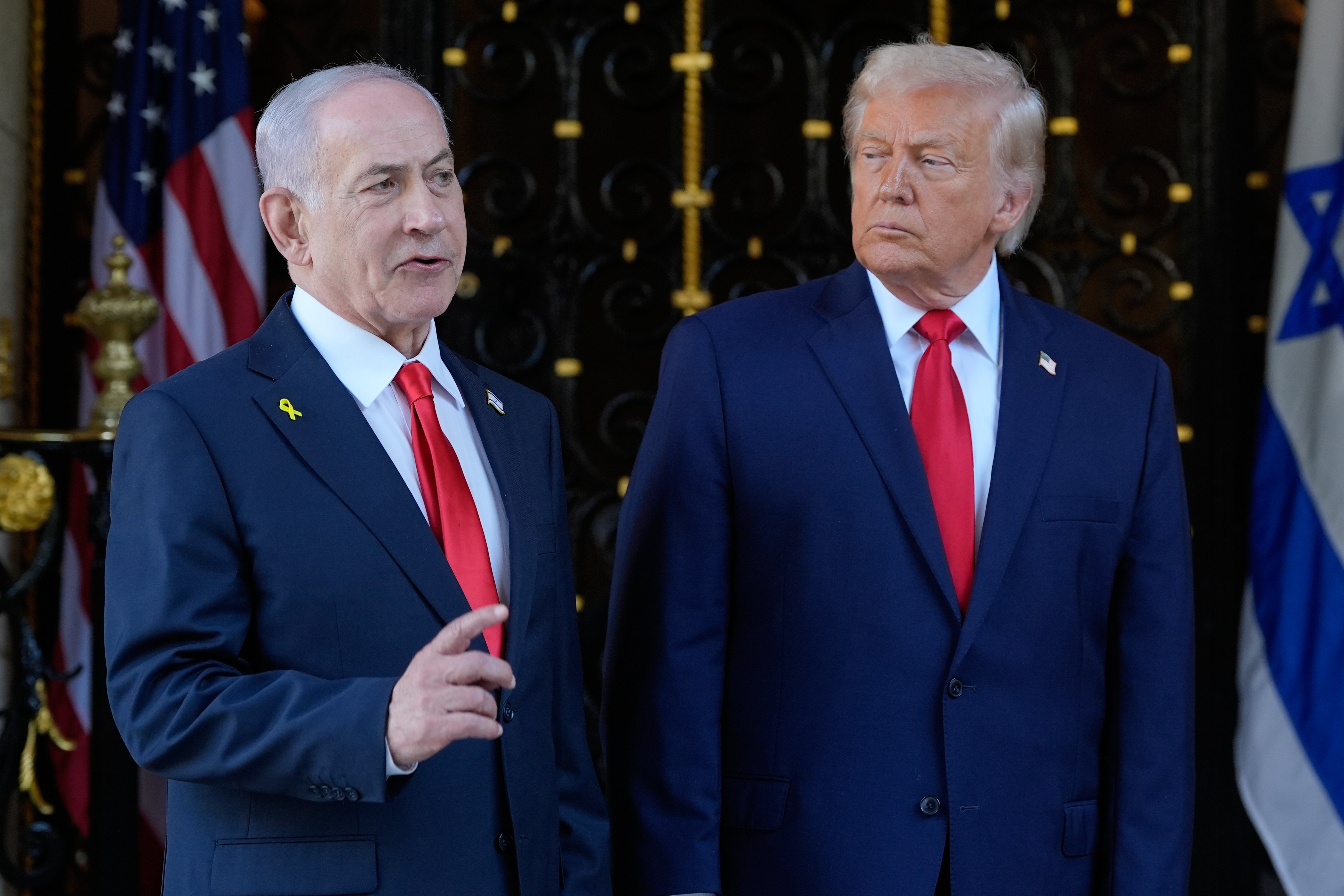
The United States recognized the State of Israel on the day it declared independence in 1948, cementing a bond that has lasted nearly eight decades. Built on shared democratic values, religious ties, and mutual security interests, the alliance has weathered numerous storms. Yet today, that relationship is facing its most serious test in a generation.
Israel remains America's closest ally in the Middle East, but also its most exasperating. The Oct. 7, 2023, Hamas attack, which killed 1,200 people and took 253 hostages, was a brutal reminder of the threats Israel faces. But the Netanyahu government's military response—which has killed over 70,000 Palestinians and triggered a humanitarian catastrophe—has eroded American sympathy. Recent polls show that most Americans no longer link the Gaza crisis to the Oct. 7 attack, and support for Israel has dropped sharply.

For decades, U.S. backing for Israel was a rare bipartisan constant in Washington. That consensus is now cracking. In July, the House voted 314-104 to reject an amendment cutting the annual $3.3 billion in military aid to Israel. But the fact that 103 Democrats voted to cut the aid—a number unthinkable just a few years ago—signals a profound shift. Pew Research found that favorable views of the Israeli people fell from 67% in 2022 to 52% today, while 62% of Americans now view the Israeli government unfavorably.
The crisis is not just about public opinion. It reflects a fundamental tension between U.S. and Israeli interests. While Israel prioritizes its own survival, Washington must balance that with broader regional goals: containing Iran, stabilizing the Gulf, managing energy markets, and advancing Saudi-Israeli normalization. As Trump's push for a Saudi nuclear deal tied to normalization shows, Israel remains central to U.S. strategy, but the terms of engagement are shifting.
The Netanyahu government's reliance on overwhelming force has abandoned diplomacy, while Hamas, though dissolved as a governing body in Gaza, still wields influence and has not disarmed. The result is a stalemate that deepens Palestinian suffering and strains the alliance. Critics argue that U.S. aid effectively subsidizes that suffering, a charge that has gained traction among progressive Democrats and some Republicans.
Yet abandoning Israel is not an option. The U.S. must reconcile its role as Israel's staunchest defender with its own values and strategic interests. That means defending Israel's right to exist without endorsing every decision of its government, and using American influence to push for a durable regional order. As the Michigan Senate debate highlighted, the issue is increasingly dividing Democrats, with candidates clashing over Israel and corporate cash.
The special relationship is not broken, but it is under unprecedented strain. The path forward requires honesty about divergent priorities—Israel seeks annihilation of threats, while the U.S. seeks stability. Pretending otherwise serves neither country. The bond can endure, but only if Washington is willing to assert its judgment and values, even as it remains Israel's most reliable ally in a dangerous neighborhood.