A fresh Politico survey has laid bare a striking knowledge gap: almost half of Americans say they cannot explain the One Big Beautiful Bill Act, the sweeping reconciliation package President Trump signed into law last summer. The poll, conducted July 13–15 among 2,061 respondents, found that 49 percent either had not heard of the legislation or could not describe what it does. Just 11 percent said they could explain it in detail, while 27 percent claimed partial understanding. Another 13 percent were unsure of their grasp.
The results come as Democrats weaponize the law in competitive Senate races, hammering Republican incumbents for supporting the package. The bill, a centerpiece of Trump's domestic agenda, has become a flashpoint in the midterm campaign, with Democratic candidates linking their opponents to projected cuts in Medicaid and food assistance. Those cuts, which were controversial within the GOP, could affect hundreds of thousands of constituents, a risk several Republican lawmakers warned about during the legislative fight.
Financial Impact Splits the Electorate
The poll also gauged the law's perceived effect on personal finances. Roughly 32 percent of respondents said the One Big Beautiful Bill had worsened their financial situation—either significantly or a little. In contrast, 24 percent reported no impact, and 22 percent said it had improved their finances. The remaining 22 percent did not offer a clear assessment. These numbers suggest the bill's economic consequences are deeply polarizing, with more Americans feeling a negative effect than a positive one.
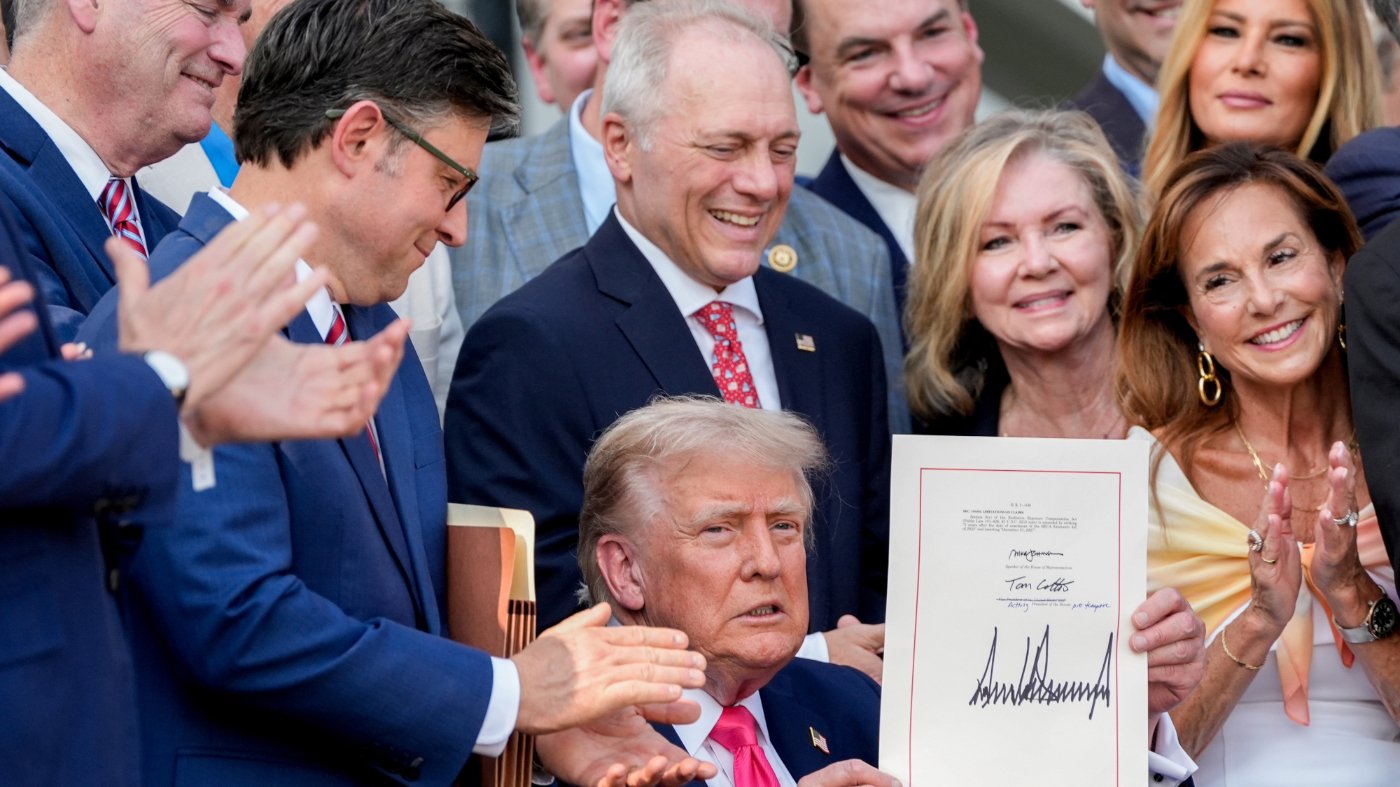
Trump, at the bill's signing on July 4, 2025, framed it as a fulfillment of campaign promises. “We made promises, and it's really promises made, promises kept, and we've kept them,” he said. “This is a triumph of democracy on the birthday of democracy. And I have to say, the people are happy.” The poll, however, paints a more mixed picture of public sentiment.
Political Fallout and GOP Unease
The law's opacity among voters could complicate Republican efforts to defend it on the campaign trail. With 49 percent unable to explain the bill, Democrats have an opening to define it on their terms—often as a giveaway to the wealthy at the expense of social safety nets. The internal GOP unease, including warnings from lawmakers about rising energy costs and benefit cuts, has only added to the political vulnerability.
Meanwhile, the poll's margin of error is 2.16 percentage points, lending statistical weight to the finding that a large swath of the electorate remains in the dark about a law that Trump has touted as a signature achievement. As the midterms heat up, the battle over the One Big Beautiful Bill's legacy—and its real-world impact—is likely to intensify.
For Republicans, the challenge is twofold: they must both explain the law's benefits and defend against Democratic attacks, all while navigating a public that is largely unfamiliar with the details. The poll suggests that, so far, the message is not getting through.