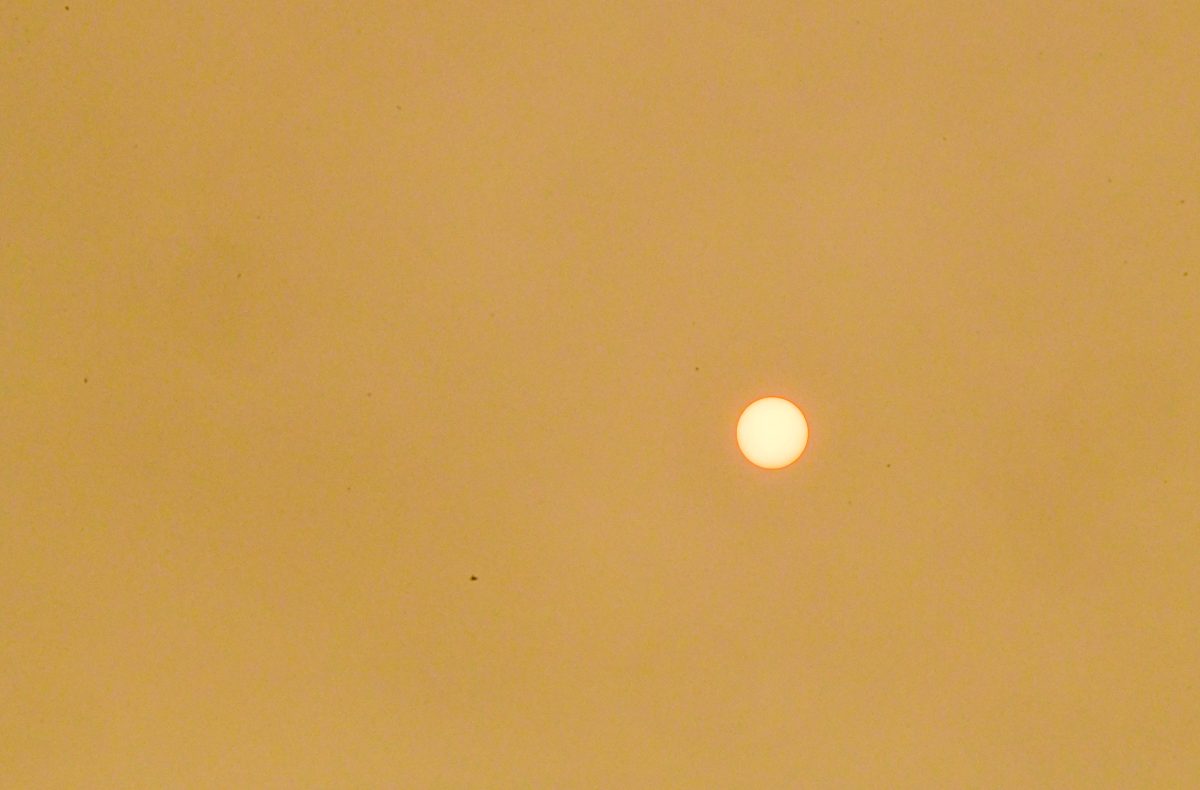
Air quality in parts of the United States has deteriorated to the worst levels globally as smoke from wildfires in Canada and Minnesota settles over the upper Midwest and Northeast. The Environmental Protection Agency’s Air Quality Index shows that northern Minnesota communities are experiencing the most severe pollution, with readings far exceeding hazardous thresholds.
The smoke began drifting into the region Wednesday, bringing hazy skies and a pungent odor that affected millions. Conditions are expected to persist through Friday and expand southward into the Midwest, Appalachia, and the East Coast, according to forecasts.
This event underscores the growing frequency of wildfire smoke events linked to climate change and drought, which have turned what were once rare occurrences into recurring public health crises. Millions of Americans are now facing hazardous air that can cause respiratory distress and other health issues.
Local officials have issued air quality alerts, urging residents to limit outdoor activities and wear masks if they must go outside. Schools in several districts have canceled outdoor sports and recess. Hospitals are reporting an uptick in emergency room visits for asthma and other breathing problems.
The smoke has also disrupted air travel, with flights delayed or canceled at major airports due to reduced visibility. The Federal Aviation Administration has imposed ground stops at some hubs as a precaution.
Experts warn that the situation may not improve quickly. Wildfire smoke is expected to persist across the U.S. this week, with some improvement anticipated by the weekend as wind patterns shift. However, the long-term forecast remains uncertain.
This crisis has also drawn attention to the dangers faced by firefighters battling the blazes. Counterfeit fire shelters have been reported in the field, putting crews at additional risk as they work to contain the flames.
Environmental advocates are calling for stronger federal action to address the underlying causes of more frequent and intense wildfires, including forest management policies and climate change mitigation. The Biden administration has faced pressure to declare a public health emergency in affected states.
As the smoke continues to drift, residents are advised to monitor local air quality reports and take precautions. The situation remains fluid, with officials warning that conditions could worsen before they improve.