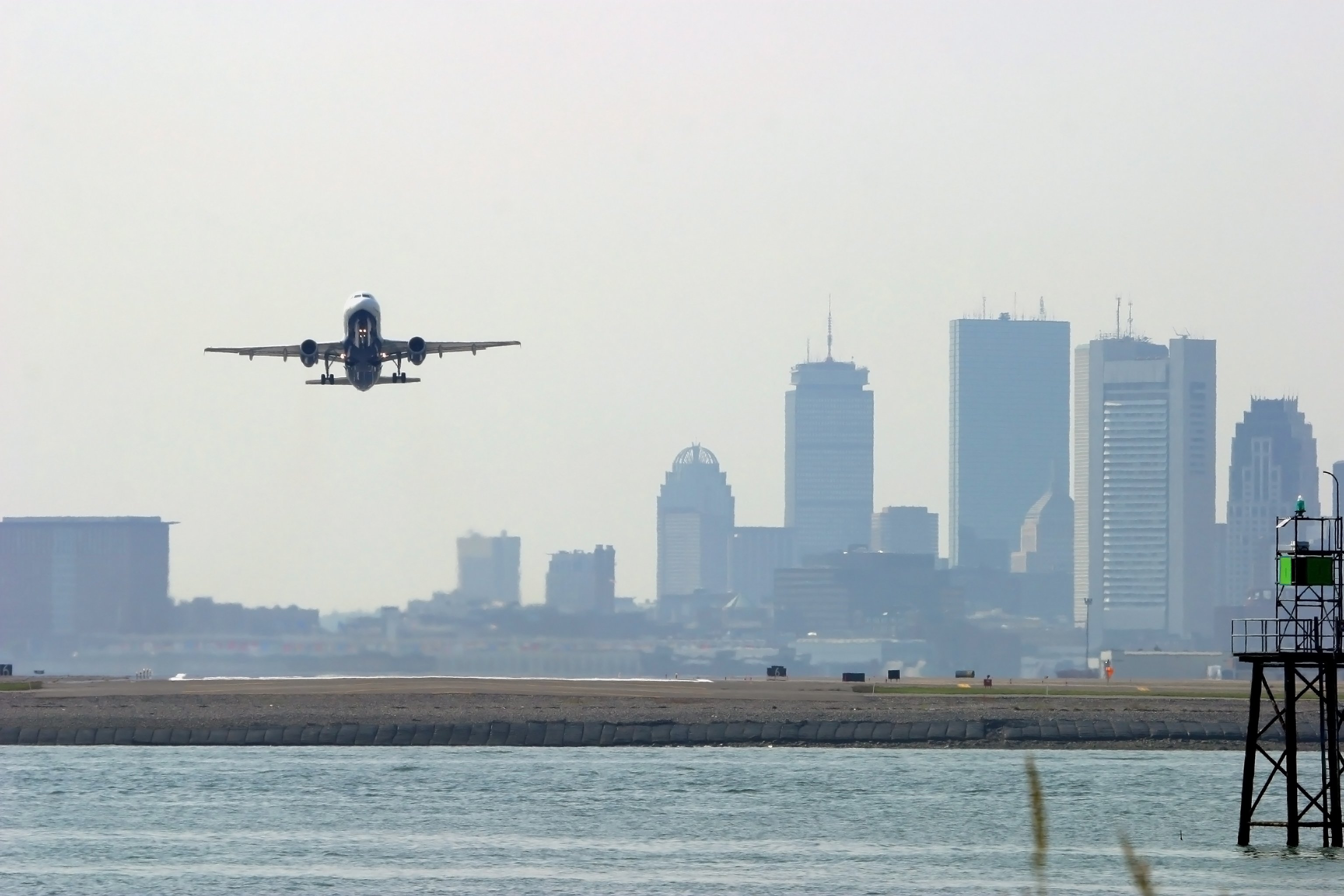
The Transportation Security Administration's new remote screening pilot at Boston Logan Airport is already drawing scrutiny over security and operational risks, with experts warning that the program may need significant reworking before it can be expanded to other major airports.
Starting June 1, passengers flying Delta or JetBlue can check in and be screened at a facility in Framingham, Massachusetts, then take a bus directly to the sterile side of Logan without additional screening. The service costs $9, plus $7 daily parking. For residents of Boston's western suburbs, the option avoids a 25-mile drive and airport parking hassles. But the model raises questions about whether it can maintain the same security standards as on-site screening.

Sheldon Jacobson, a University of Illinois computer science professor who has researched aviation security for over 25 years, argues that the remote terminal faces the same TSA-mandated requirements as any airport checkpoint. Equipment failures or officer shortages could force passengers to re-screen at Logan, potentially causing missed flights. The bus itself becomes a security cocoon: once passengers are screened, the vehicle must remain sealed until they reach the airport. Any breakdown or accident on Interstate 90 — notorious for rush-hour backups — could require full rescreening.
Securing the buses presents another challenge. If the vehicles aren't dedicated to airport service, maintenance workers must undergo the same vetting as airline ground crews. The bus staging area also needs airport-level security, or banned items could be hidden onboard and accessed by screened passengers.
Logan handled over 21 million departing passengers in 2025, with roughly 90% originating at the airport — meaning checkpoints process more than 50,000 people daily. The Framingham facility, by contrast, might handle just 1% of that volume, offering minimal relief to congestion.
Jacobson suggests a more cautious approach: limit the pilot to TSA PreCheck passengers. This would reduce staffing and technology demands while testing the concept with lower-risk travelers. The move could also ease a transition to privatization under TSA's Screening Partnership Program, which is already expanding through the agency's Gold-plus initiative.
The broader question, Jacobson says, is whether remote screening can deliver the same security as airport checkpoints. Under ideal conditions, it can. But ideal conditions — no traffic, no breakdowns, no weather delays — are rare. A recent court ruling on telework rights underscores how remote arrangements can introduce unforeseen vulnerabilities.
Other airports watching the pilot include New York-LaGuardia, Atlanta Hartsfield, and Los Angeles International. But Jacobson warns that pushing full speed ahead could backfire. As with remote work, the logistics of remote security require careful vetting. The TSA's pilot is worth exploring, he says, but only if it limits risks — starting with PreCheck passengers — before going nationwide.