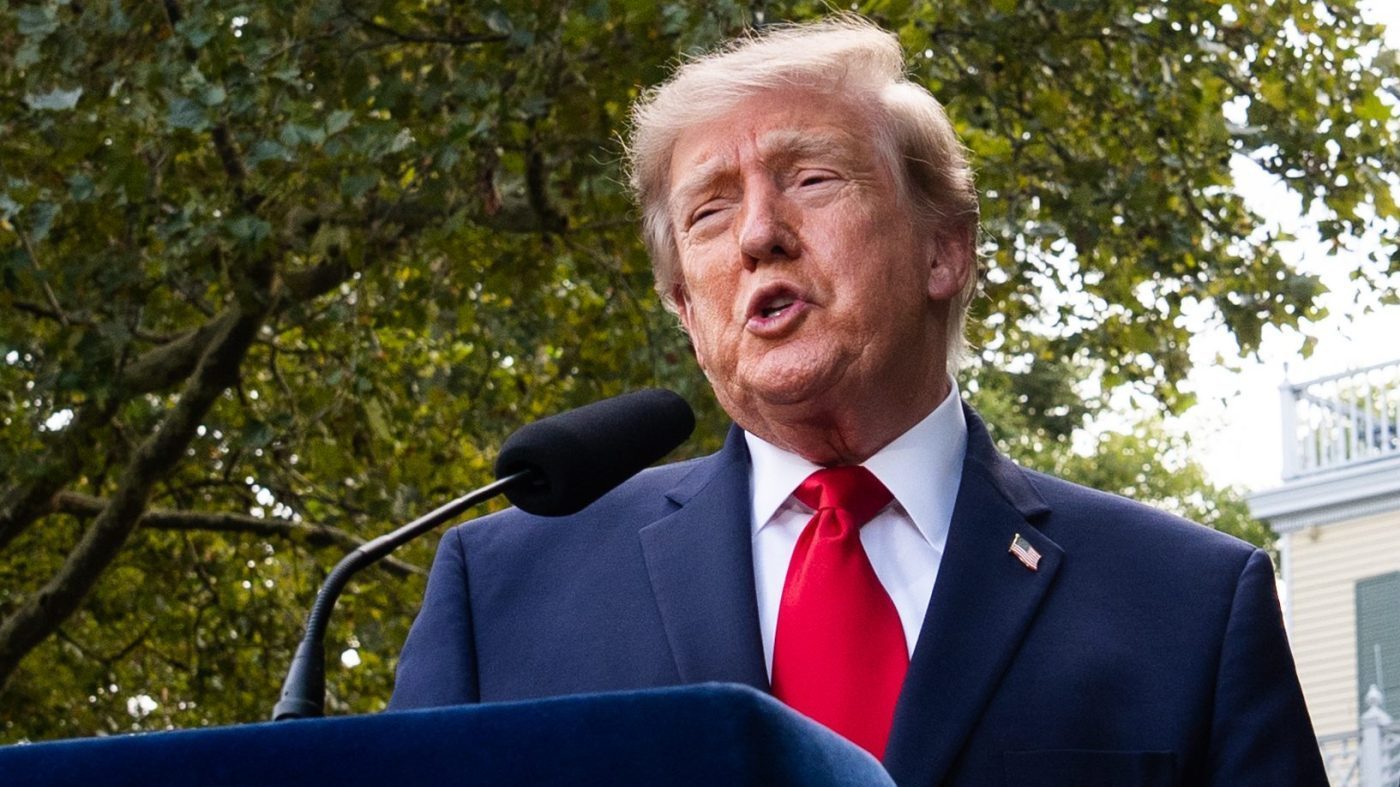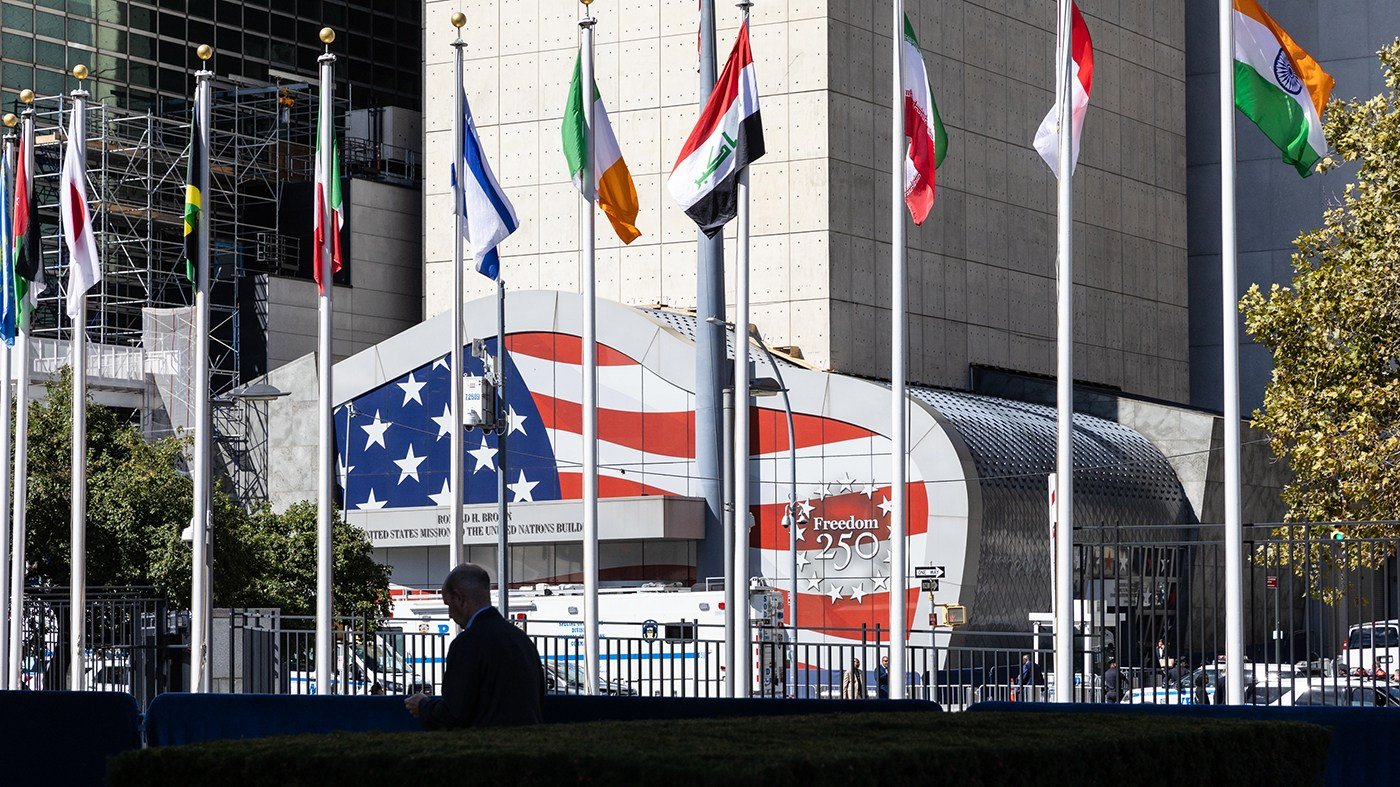
President Trump will address the United Nations General Assembly on Tuesday morning, launching a day of high-stakes diplomacy that spans major global conflicts and contentious agreements. The speech, scheduled for around 9:55 a.m. EDT, is expected to sharply criticize previous administrations for what he describes as neglected challenges now being confronted in his second term.
A senior administration official previewed that Trump will highlight issues "frankly neglected by past administrations" and emphasize that he will not "kick the can" on them. The address will cover the ongoing war with Iran, now more than six months old, stressing the need to prevent Tehran from acquiring nuclear weapons. Trump will also discuss his stalled 20-point peace plan for Gaza and outline U.S. priorities in the Western Hemisphere.

The president may also reference logistical mishaps from his previous UN appearance, including a stopped escalator and a teleprompter malfunction, which he has previously suggested were deliberate.
Following the speech, Trump will participate in a signing ceremony with the leaders of Greenland and Denmark for an agreement he has touted as granting the U.S. "total control" over the Arctic island's security. The deal provides permanent U.S. basing rights—already guaranteed by a 1951 treaty—and bans sensitive investments from non-NATO countries. Greenland and Denmark have framed the pact as enhancing security and will require parliamentary ratification. The agreement has eased NATO tensions but left diplomatic scars.
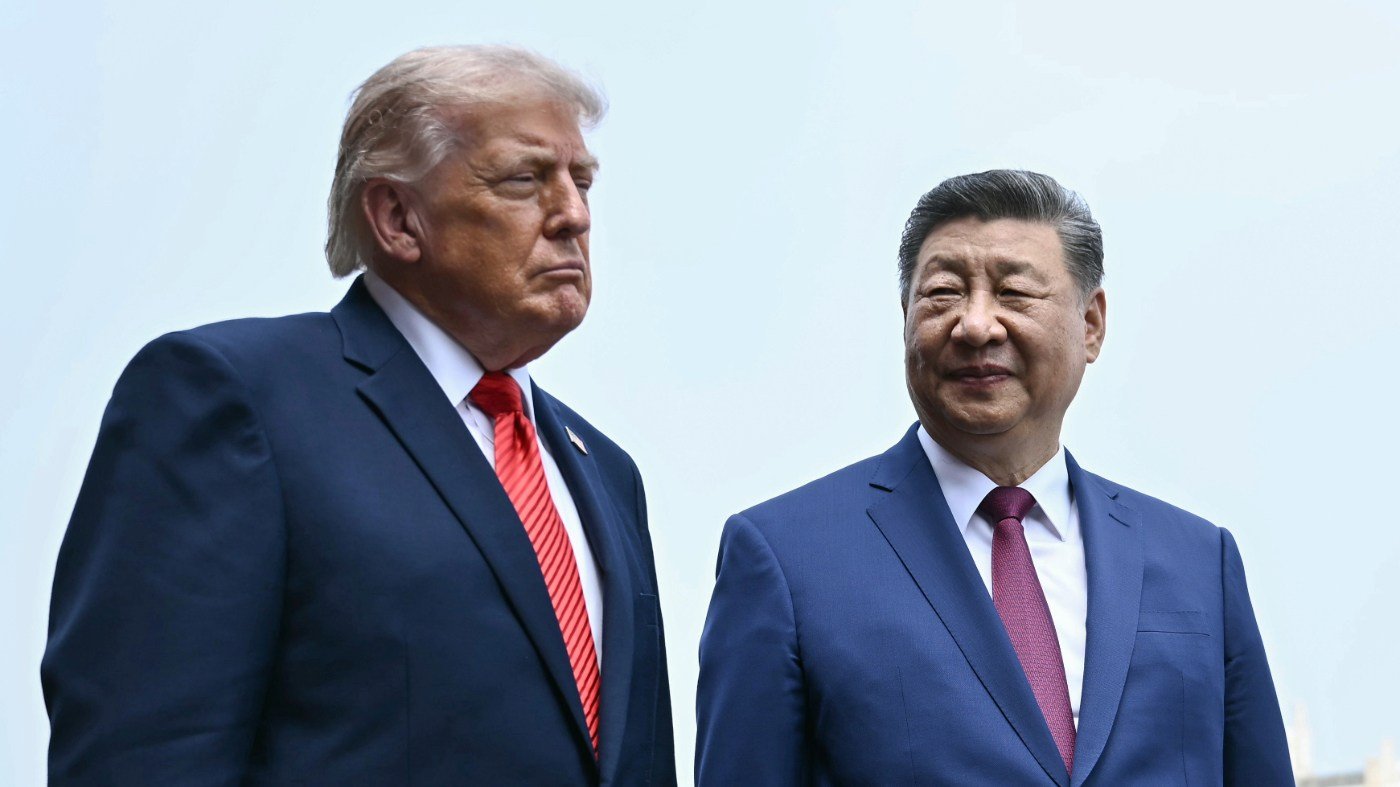
After the signing, Trump will hold three bilateral meetings. He will meet first with newly appointed U.K. Prime Minister Andy Burnham, followed by a "fulsome" discussion with Japan's Prime Minister Sanae Takaichi. That meeting comes a day before Trump hosts Chinese President Xi Jinping for a state visit in Washington. Takaichi is expected to lobby Trump against trading economic deals with Beijing for Taiwan's security. The meeting with Xi is likely to be closely watched, as Trump enters the Xi summit with no leverage on AI and manufacturing, according to critics.
Trump will then meet with Ukrainian President Volodymyr Zelensky before joining a "Shield of the Americas" event with Latin American leaders. Notably absent from Trump's schedule is Israeli Prime Minister Benjamin Netanyahu, who launched the war with Iran alongside the U.S. on Feb. 28. An administration official cited scheduling conflicts, though the two leaders last met on July 29.
Later, Trump will hold a high-stakes meeting with Gulf countries to strategize on ending the Iran war. In the evening, he will host a "Leaders reception" where he will meet face-to-face for the first time with Venezuela's interim President Delcy Rodríguez. Trump granted Rodríguez governing power after an operation to capture authoritarian leader Nicolás Maduro. The meeting, described as a "pull aside," carries significant weight and may alienate Venezuela's political opposition, undermining the administration's promised transition to democracy.
Trump is expected to depart New York on Tuesday evening. It remains unclear whether his schedule will overlap with a small Iranian delegation approved by the State Department to attend the General Assembly. When asked if Secretary of State Marco Rubio might meet with the Iranians, an official said, "I won't get ahead of the president or secretary's final schedule."
Meanwhile, the White House press ban continues to draw criticism, with former WHCA chief warning that the ban threatens all newsrooms. The administration has also faced legal challenges, and Trump has signaled a likely court defeat in the press ban lawsuit.
As the day unfolds, Trump's engagements will test his ability to navigate complex international dynamics while advancing his America First agenda.