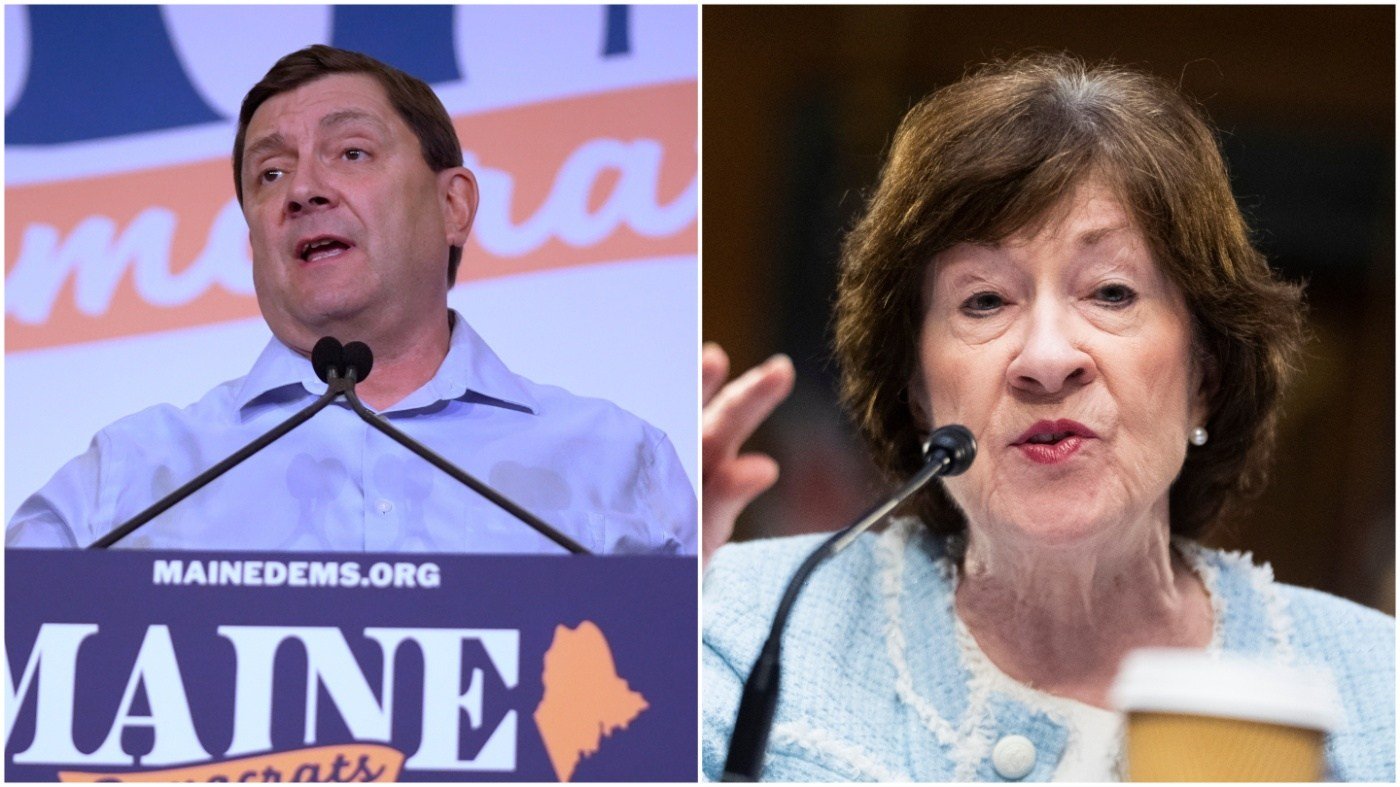
President Trump’s campaign to remake the Republican Party by backing primary challengers against lawmakers who cross him is creating an unexpected short-term headache. Several of the incumbents he helped defeat or force into retirement remain in office until their terms end, and with no political future to protect, they are increasingly voting against his priorities.
This dynamic poses a particular risk in a narrowly divided Congress, where even a handful of GOP defections can sink party-line bills. Republicans are facing a packed legislative calendar, including an immigration funding package, a third reconciliation bill, and a long-term extension of warrantless surveillance powers under the Foreign Intelligence Surveillance Act—all while trying to show voters they are delivering on affordability and results ahead of the midterms.
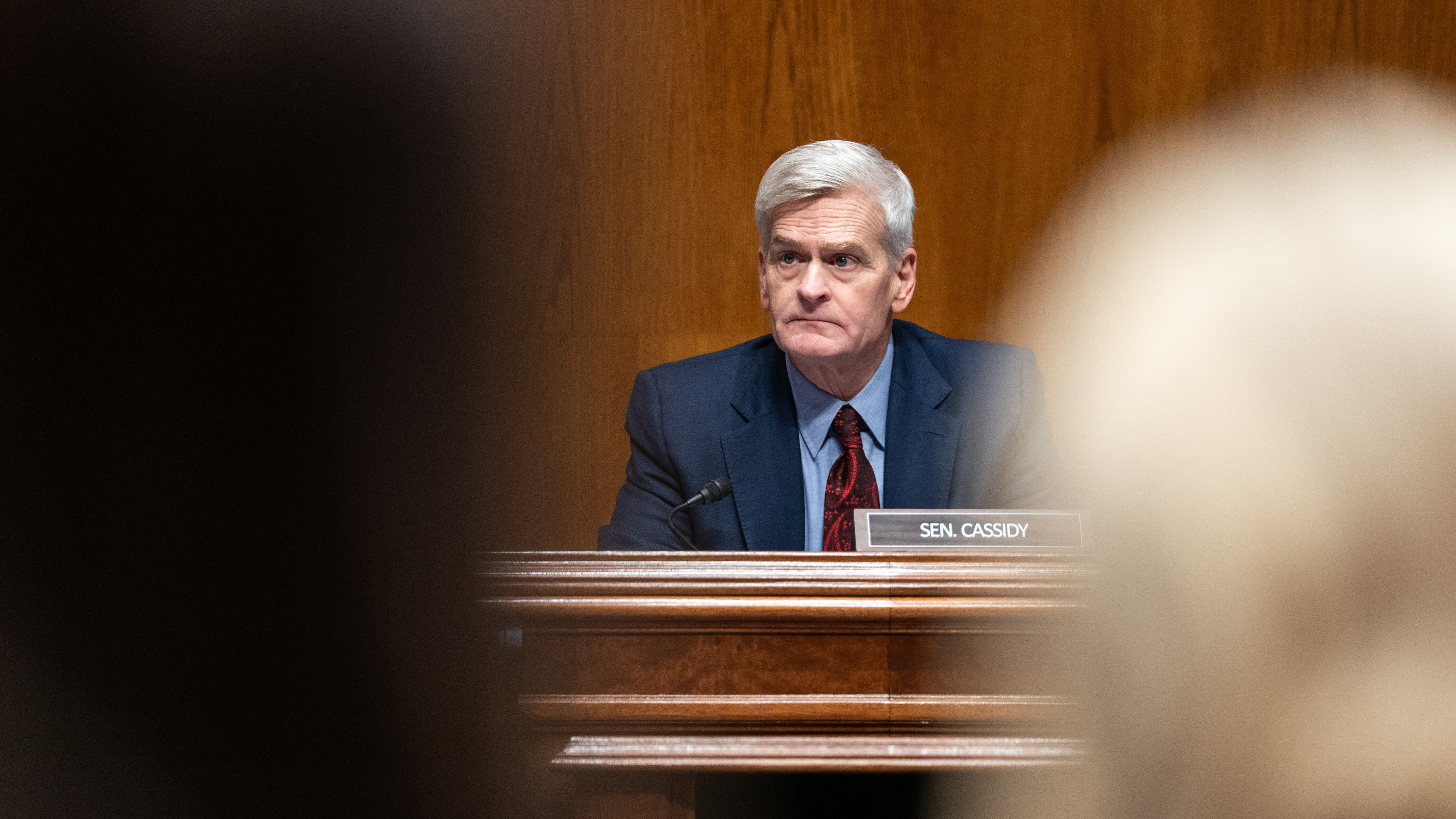
Cassidy and Massie Flex New Independence
Sen. Bill Cassidy (R-La.), who lost his primary to Trump-backed challenger Rep. Julia Letlow and Louisiana State Treasurer John Fleming, wasted no time asserting his newfound freedom. He joined three other Republican senators in advancing a war powers resolution to limit Trump’s military action in Iran—a vote he had never taken before. Cassidy also called Trump’s creation of a $1.8 billion fund to compensate people who claim they were targeted by the Biden Justice Department a “slush fund,” and opposed a provision in the immigration funding package that would steer $1 billion to a new White House ballroom and Secret Service priorities.
Rep. Thomas Massie (R-Ky.), who was defeated by Trump-backed Ed Gallrein on Tuesday night, has also become a vocal critic. He led efforts to force the release of files related to Jeffrey Epstein, backed war powers resolutions, and voted against Trump’s signature legislative achievement, the One Big Beautiful Bill Act. In his concession speech, Massie mocked the White House ballroom project, saying, “While gas is almost $5 and diesel’s almost six, they’re talking about this big ballroom they’re going to build.”
Trump’s Revenge Tour Continues
Despite these setbacks, Trump is pressing ahead with his campaign against perceived enemies. He has endorsed Texas Attorney General Ken Paxton over incumbent Sen. John Cornyn (R-Texas) in the state’s Senate GOP primary, and called for a primary opponent against Rep. Lauren Boebert (R-Colo.) after she campaigned for Massie—though the filing deadline has passed. He also threatened centrist Rep. Brian Fitzpatrick (R-Pa.), who voted against the One Big Beautiful Bill Act and supported a short-term extension of Affordable Care Act subsidies, saying, “He likes voting against Trump. You know what happens with that? It doesn’t work out well.”
Rep. Don Bacon (R-Neb.), who is retiring at the end of his term, pushed back against Trump’s tactics. “Try to persuade us. He’s lost the art of persuasion, and he’s bullying, and most Americans don’t respond well to that,” Bacon said. He noted that Trump “doesn’t always get his way,” pointing to Trump’s failed 2022 campaign against him and Nebraska’s governor.
Some Republicans downplay the significance of the defections. Rep. Richard Hudson (R-N.C.), chair of the National Republican Congressional Committee, said he feels “complete freedom” to disagree with Trump and that the president is “very open to counter arguments.” He called Massie’s case an outlier, arguing Trump only weighed in because Massie had opposed him on key issues.
The situation underscores a broader tension: Trump’s effort to enforce party discipline through primary threats may win him loyalists in the long run, but in the short term, it is empowering a group of lame-duck lawmakers with nothing to lose—and a willingness to prove it.