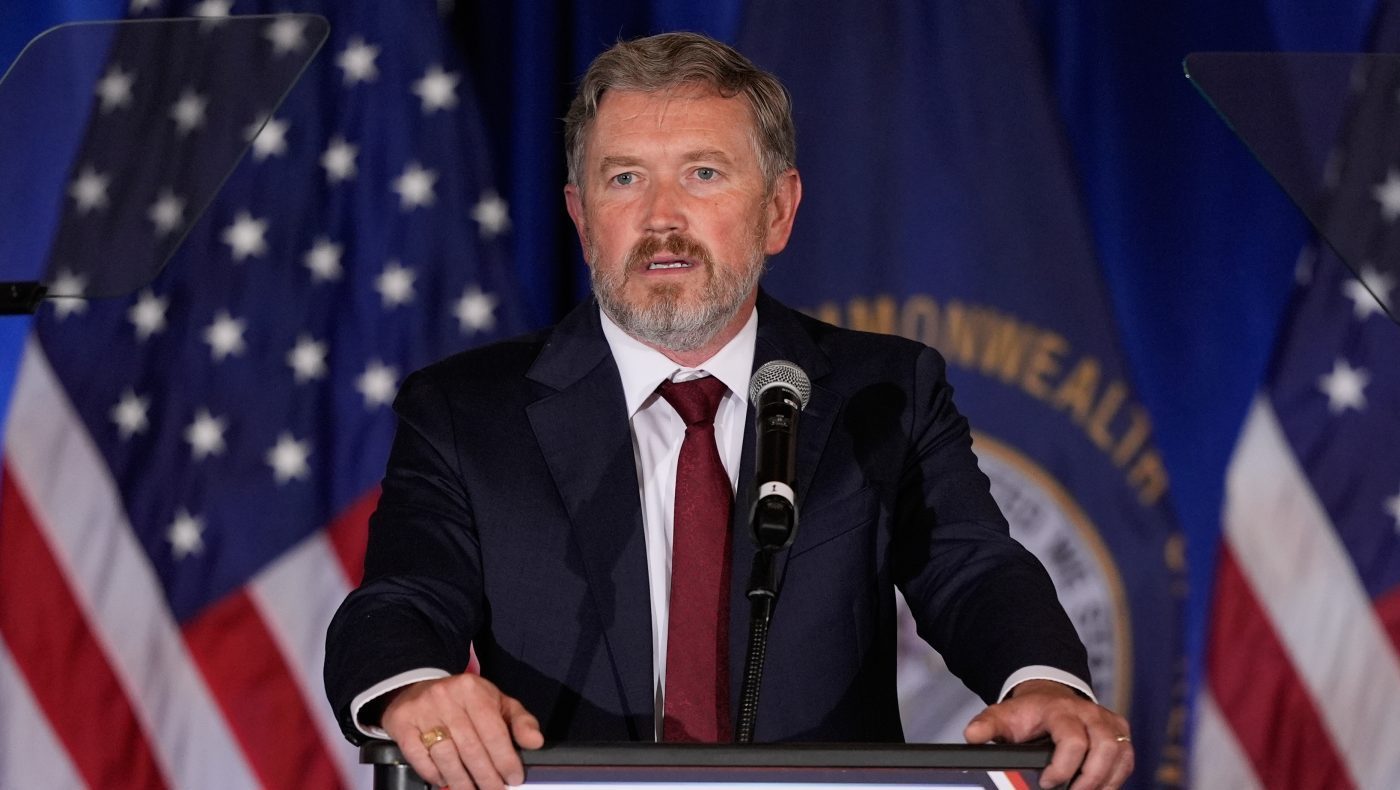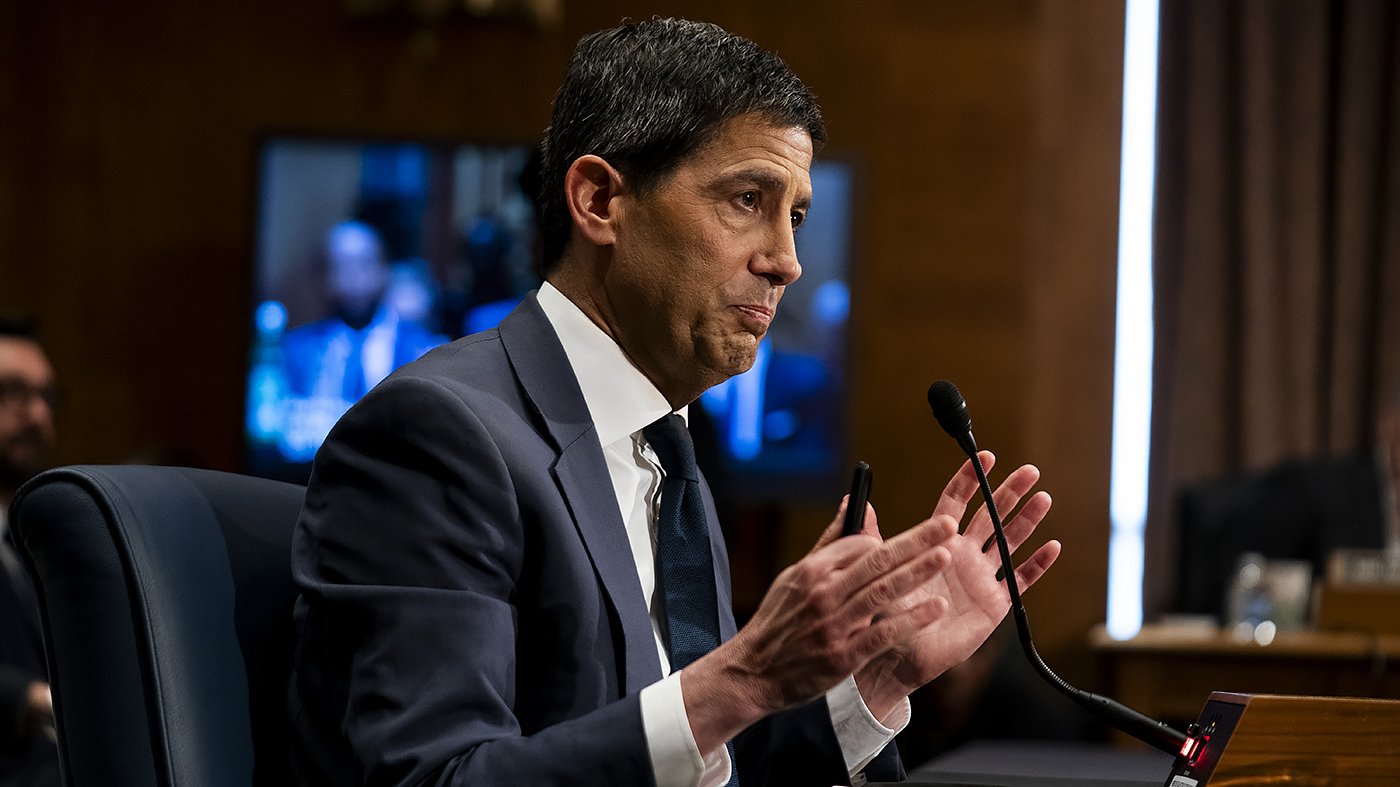
Kevin Warsh is set to be sworn in as Federal Reserve chair on Friday, inheriting a central bank navigating a turbulent economic and political landscape. President Trump, who has long criticized outgoing Chair Jerome Powell for not cutting rates aggressively, nominated Warsh with the expectation of lower borrowing costs. However, a confluence of obstacles—from geopolitical shocks to internal Fed rifts—may thwart those ambitions.
Trump has publicly insisted that Warsh will have independence, telling reporters this week that the new chair can “do what he wants to do.” Yet the president’s past statements tell a different story. In December, Trump said he wanted a Fed chief who “believes in lower interest rates, by a lot,” and in April he warned he would be disappointed if Warsh did not cut rates immediately upon taking office. This tension sets the stage for a fraught relationship between the White House and the central bank.
The biggest immediate challenge is inflation, which has been exacerbated by the war in Iran. The consumer price index hit 3.8 percent in April, the highest in three years, while producer prices also surged. Warsh has argued that much of this is temporary, tied to fuel and food costs that could recede if the Strait of Hormuz reopens. But with no end to the conflict in sight, the Fed may be forced to hold rates steady or even raise them. “These hotter-than-expected inflation reports leave the incoming chair facing renewed questions around price stability,” wrote Christian Floro of Principal Asset Management.
Beyond the Iran shock, the U.S. economy is grappling with a significantly smaller workforce. Trump’s crackdown on immigration and increased deportations have removed more than 600,000 people from the labor force over the past year, according to Labor Department data. Job gains have stalled since January 2025, though unemployment has only risen modestly. Chicago Fed President Austan Goolsbee noted that while the job market is “pretty stable,” inflation is not—and services inflation, in particular, is climbing in ways unrelated to oil or tariffs, complicating the outlook for Warsh.
Tariffs are another wild card. Trump’s trade policies have raised import costs, feeding into broader price pressures. The combination of a tight labor market, elevated tariffs, and geopolitical instability creates a policy puzzle that Warsh must solve without clear precedent.
Internally, Warsh faces a deeply divided Federal Open Market Committee (FOMC). The panel has been unusually polarized over the past two years, with hawks and doves clashing on the pace of rate adjustments. As chair, Warsh holds only one of 12 votes on monetary policy, meaning he must build consensus—a task made harder by the conflicting signals from the economy. “There are going to be a lot of things on the radar screen, and we could use some guidance here from the chair,” Goolsbee said.
Warsh’s ability to navigate these hurdles will define his early tenure. While he has pledged to make decisions based on economic data, the political and economic pressures may test that commitment. For investors, the risk is that any policy easing may not come until 2027, as Principal Asset Management warned.