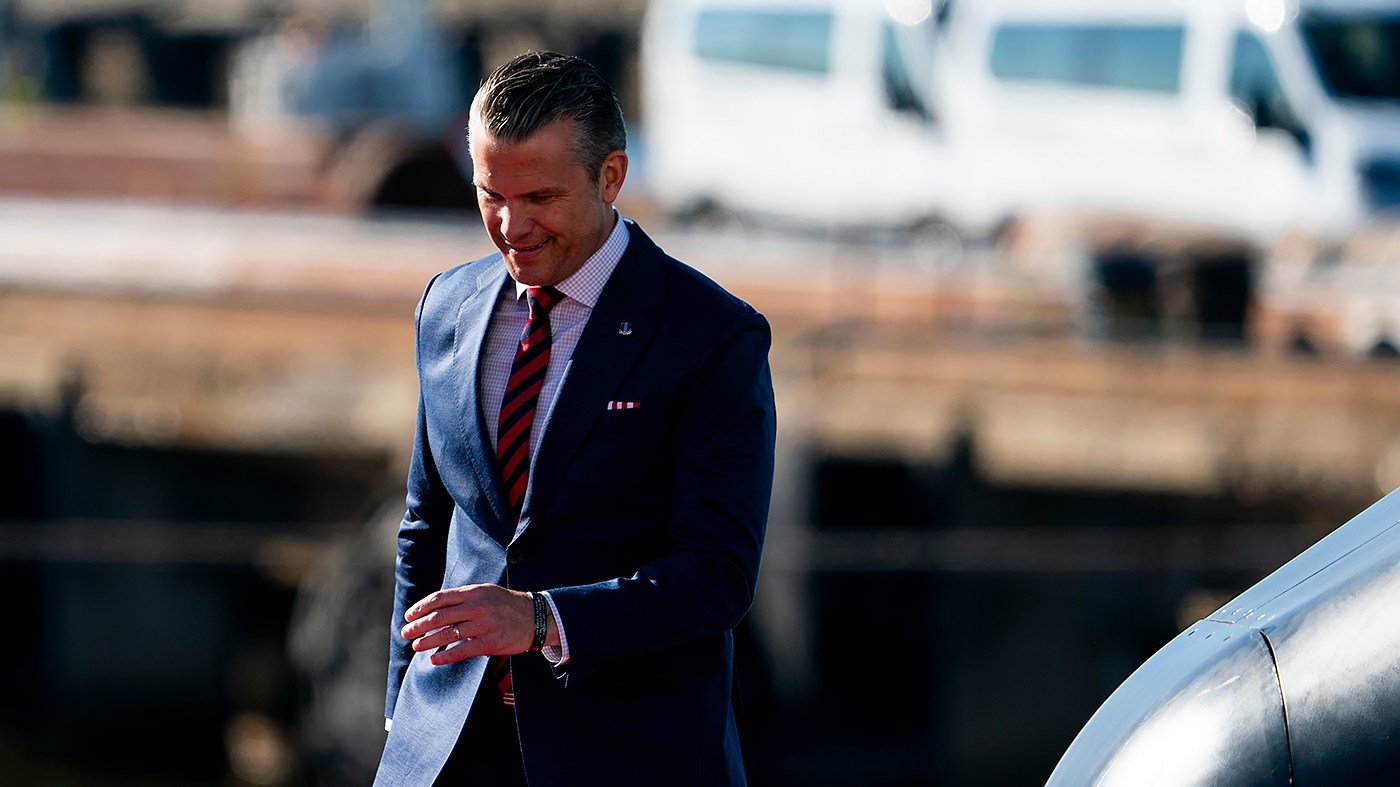
The Trump administration's decision to pull 5,000 troops from Germany, announced days after Chancellor Friedrich Merz criticized U.S. strategy on Iran, is being framed as leverage. But analysts warn it could backfire, damaging a partnership critical to American military operations across Europe, the Middle East, and North Africa.
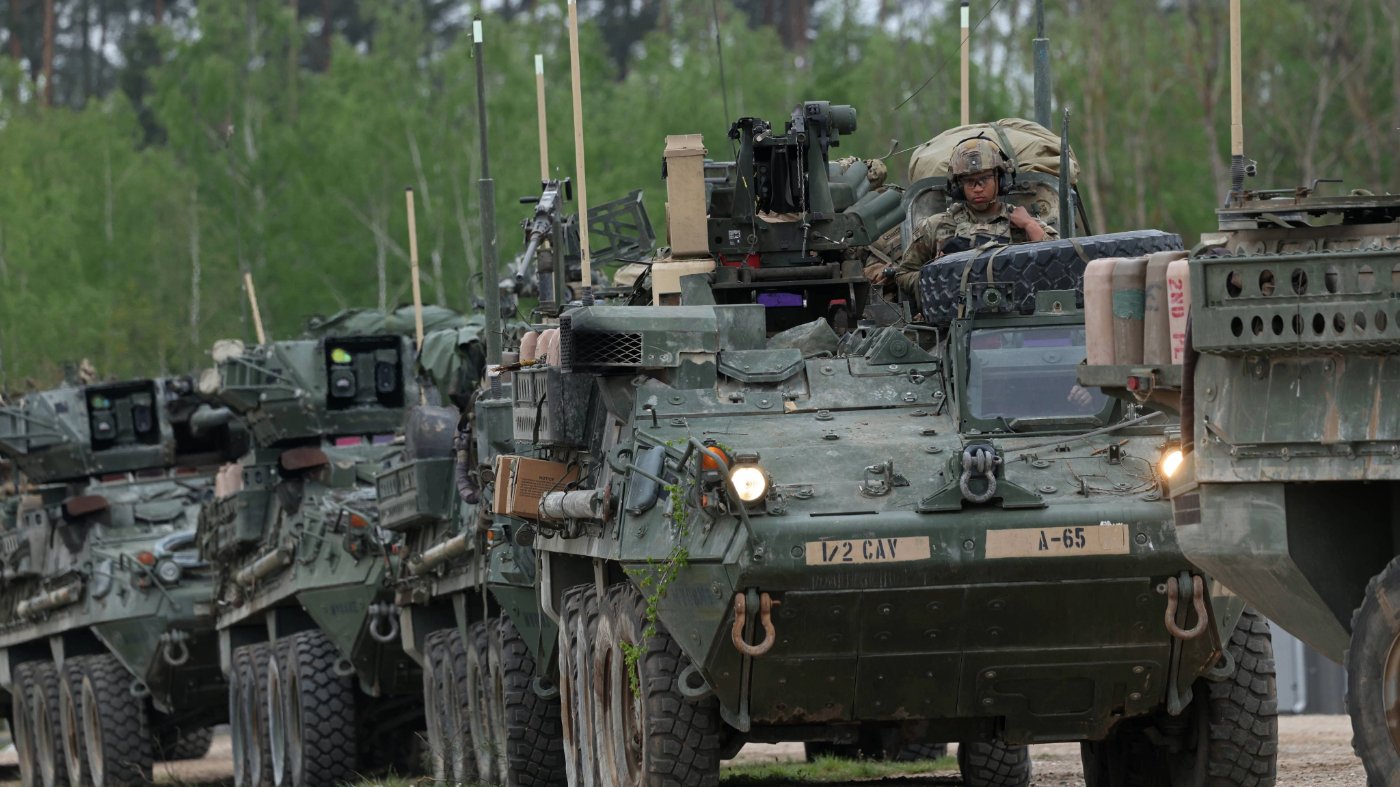
The rift emerged after Merz accused the White House of being “humiliated” by Tehran and lacking a coherent war plan. Within days, Germany—once hailed as a “model ally”—learned it would lose a permanently stationed brigade combat team, the 2nd Cavalry Regiment, based in Vilseck. The unit is vital for deterrence, regularly deploying near Belarus and Russia to showcase NATO presence on the alliance's eastern flank.
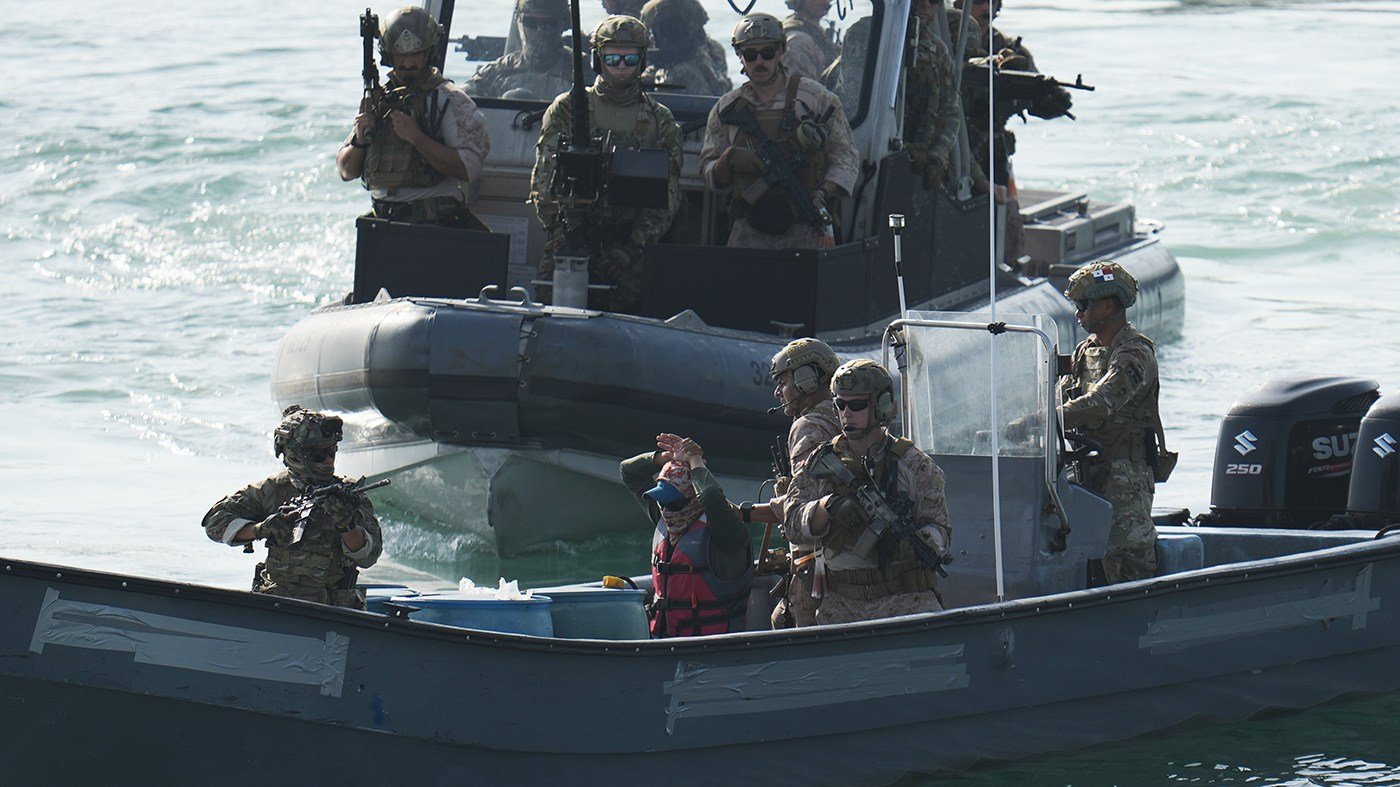
This move is part of a broader pattern, with reports indicating President Trump is informally sorting allies into tiers—rewarding some while punishing others. Even longstanding diplomatic positions, such as U.S. support for British sovereignty over the Falkland Islands, may be up for negotiation. But the approach, while intended to exert pressure, is likely to prove self-defeating.
Germany has long been indispensable for U.S. power projection. During the current war against Iran, German territory has provided crucial command and control, logistics, and strike capabilities, especially as other European nations restricted access. At the same time, Berlin is finally meeting Washington's longstanding demands to rearm. Since 2022, Germany has signed 47,000 defense procurement contracts and is emerging as a future cornerstone of transatlantic security. This year alone, it plans to spend $127 billion on defense, far outpacing France.
Pulling troops now doesn't just send a political message; it undercuts a partner that is becoming more capable and more useful. It also carries real costs. Germany helps offset the burden of hosting U.S. forces—expenses that won't disappear if troops are relocated. Moreover, the U.S. presence in Europe is already a shadow of its former self; there is little left to cut without weakening coverage across multiple theaters.
Even reshuffling forces within Europe based on political favor would create logistical headaches. Moving major systems is complex, and shifting presence eastward while hollowing out established western bases risks new frictions among allies. Poland, seen as a potential recipient of additional troops, is treading carefully. Prime Minister Donald Tusk recently cautioned that while Warsaw is eager for more U.S. forces, it does not want to “poach” them from other NATO nations.
Across Europe, public opinion of Washington is souring. A U.S. seen as punitive or transactional will only deepen that trend, making it harder for even friendly governments to align openly with Washington. For some leaders, like Spain's Pedro Sanchez, confrontation with the U.S. could become a domestic political asset. The likely result is not compliance but backlash. European governments will assume they are not exempt; the lesson will be obvious: Germany today, someone else tomorrow.
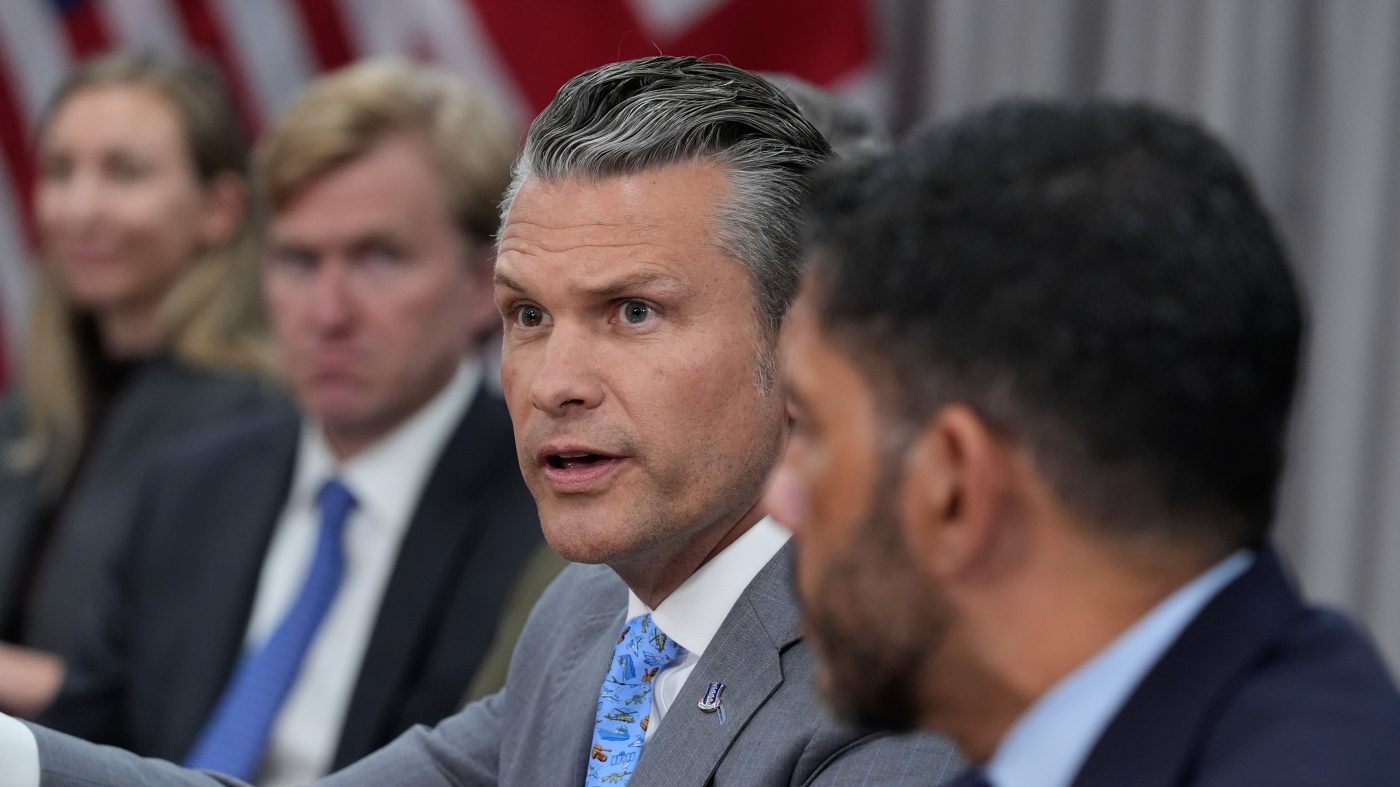
None of this is to say U.S. grievances are unfounded. But there is a difference between managing disagreements and weaponizing them. The former strengthens alliances; the latter corrodes them. As Defense Secretary Hegseth testified, the troop pull has failed to sway European allies on the Iran war. Meanwhile, Poland's offer to accept the withdrawn troops underscores the delicate diplomatic dance.
Today, some European governments may be willing to defy Washington. Tomorrow, different leaders in those same nations may swing back—if the political space to move closer remains open. The message sent by withdrawing troops from Germany will not land as intended. If anything, it would accelerate the very drift Washington should be trying to prevent. Punishing allies may feel decisive, but carried out, it would ultimately prove self-defeating.