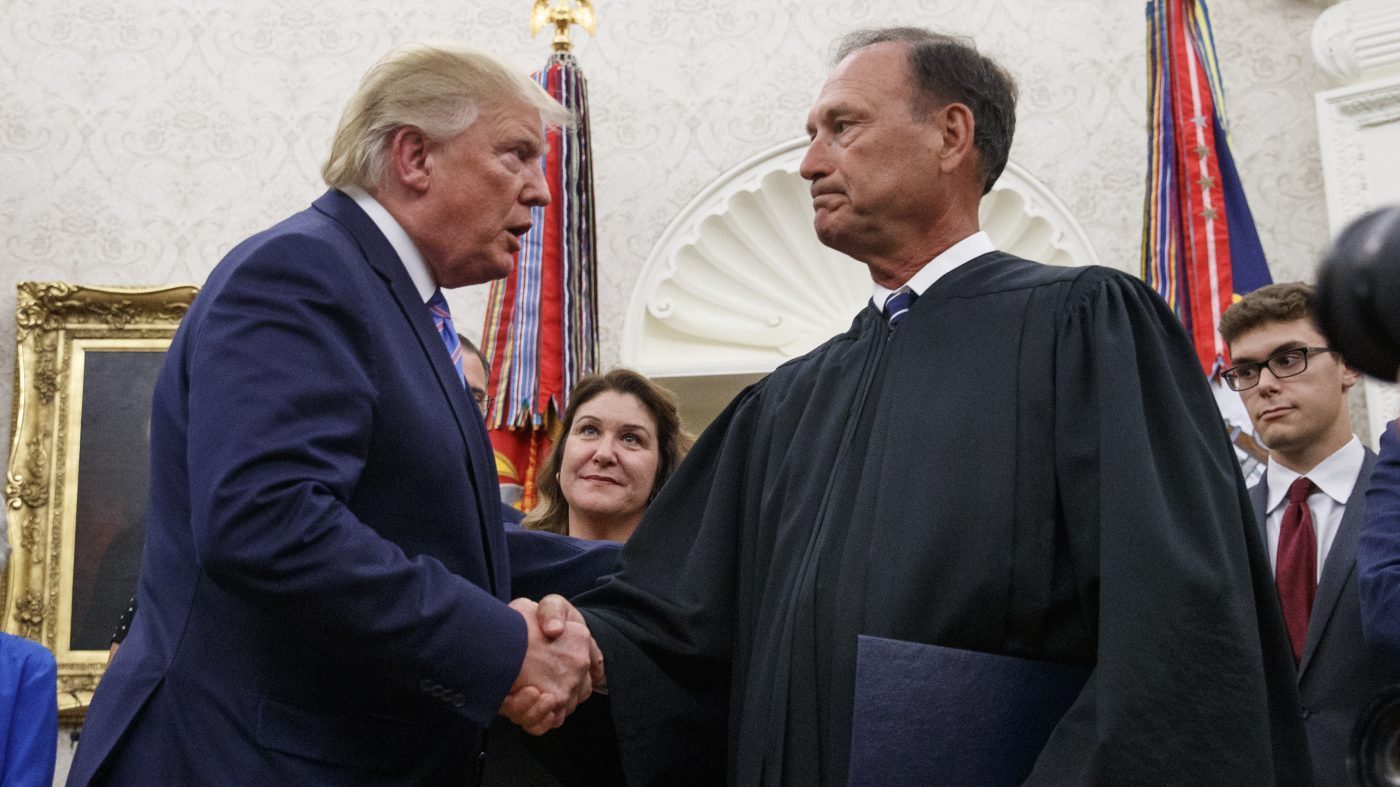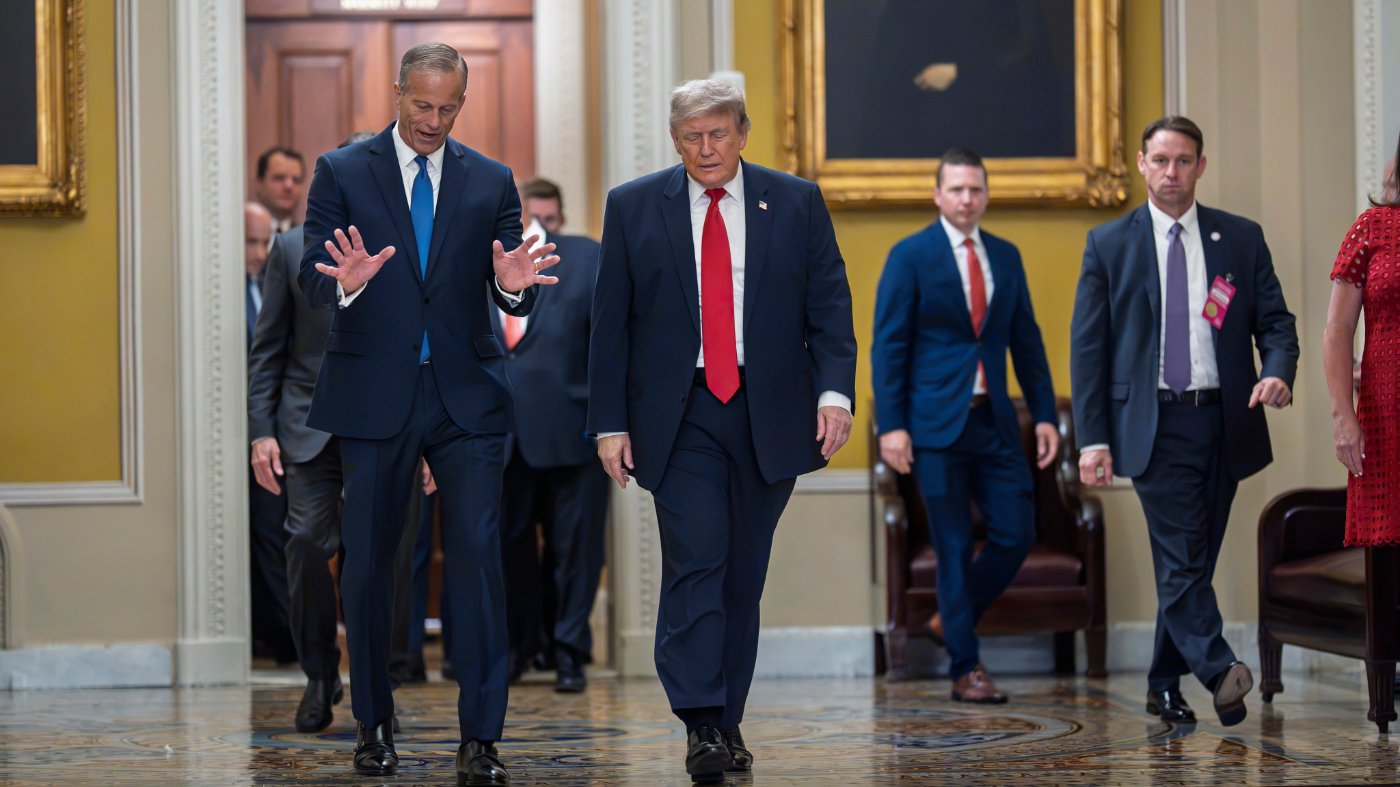
The once-solid alliance between President Trump and congressional Republicans is fracturing, with GOP senators now openly challenging a president they view as consumed by his own political survival at the expense of their midterm prospects. Just a year after they jointly passed a sweeping tax overhaul, the relationship has soured into public bickering and policy standoffs.
These tensions represent a significant opportunity for Democrats, who are using the infighting to bolster their narrative that Republicans are incapable of governing effectively. By highlighting Trump's actions, Democrats can point out that even members of his own party believe he is ignoring voters' core concerns.
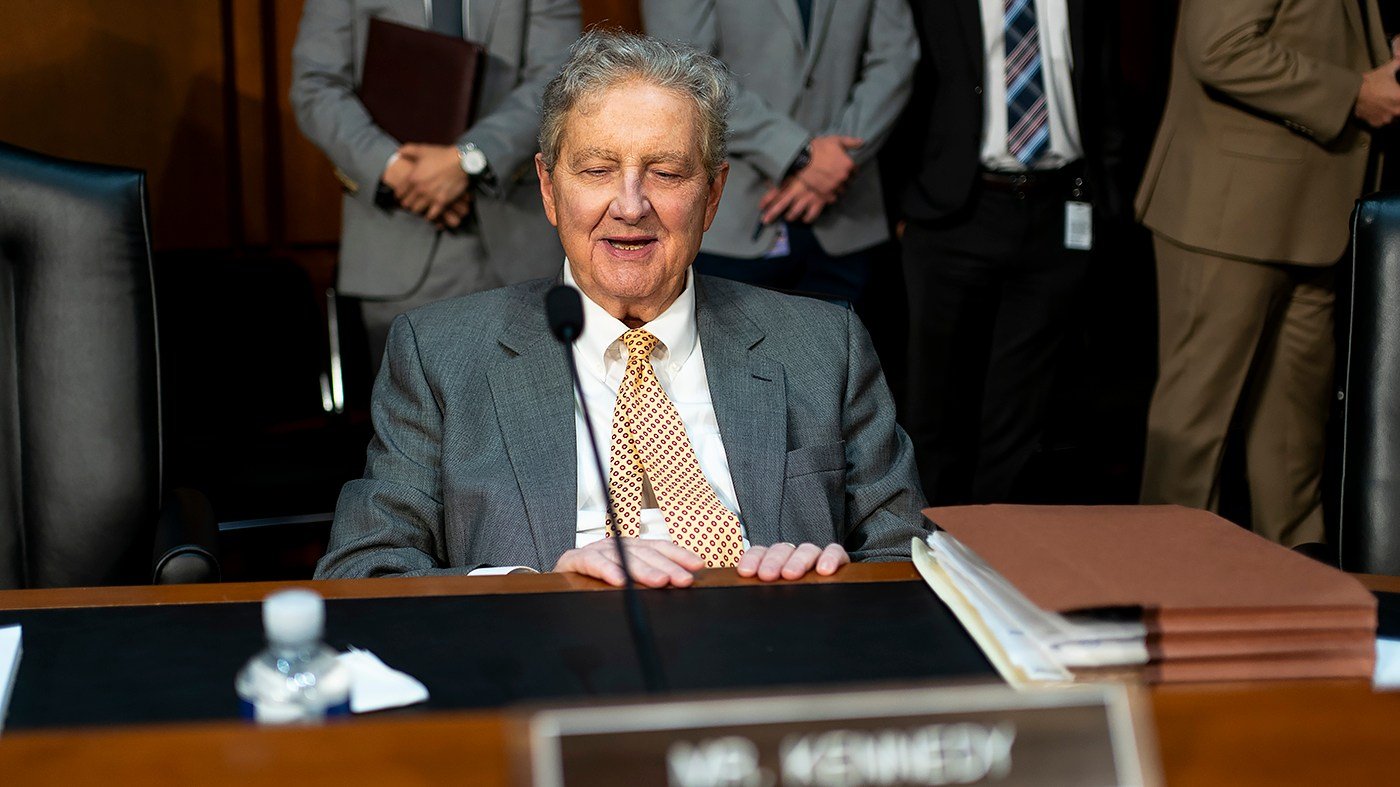
Over the past two weeks alone, Trump has derailed a signing ceremony for a bipartisan housing bill, stonewalled requests for information on Iran, labeled a senator a “lunatic,” and refused to compromise on the SAVE America Act—a non-viable voting measure—at the cost of other critical legislation. The frustration boiled over at a recent Senate GOP lunch, where Trump and Sen. Bill Cassidy (R-La.) engaged in a screaming match after Cassidy voted to curb Trump's war powers. Cassidy later fumed that Trump treats Congress “merely as an appendage,” echoing complaints from Sen. Thom Tillis (R-N.C.).
Tillis has also criticized Trump's singular focus on the SAVE Act, which has stalled bipartisan housing legislation that Republicans had hoped to showcase as a win on affordability ahead of the midterms. Sen. John Cornyn (R-Texas) has publicly rebuked Trump's divisive rhetoric, while both Cassidy and Cornyn were defeated by Trump-backed primary challengers—a move that angered many in the Senate. Tillis is retiring, giving him greater freedom to attack the president.
The rift is widening beyond these senators. Senate Majority Leader John Thune (R-S.D.) has grown increasingly vocal about his frustration with Trump's recent moves. Sen. Lisa Murkowski (R-Alaska) compared Trump's behavior to “a moose startling a team of sled dogs.” The internal strife is particularly damaging as Trump's approval ratings languish near historic lows—40 percent approve versus 58 percent disapprove, according to RealClearPolitics. On the economy, the numbers are even worse, with just 36 percent approving.
For Democrats, the timing is ideal. Only 32 percent of registered voters believe the country is on the right track, per Economist/YouGov polling. Democrats hold a steady 6-point lead in the generic congressional ballot, and among Hispanics and independents, their advantage swells to 34 and 15 points, respectively, according to Emerson polling. The optics of Trump refusing to sign a housing bill until he gets his way on the SAVE Act—which Thune has repeatedly told Trump cannot pass—are a gift to Democratic campaign strategists. As one strategist put it, “The campaign ads write themselves: ‘The president wants to make it harder for you to vote rather than make it easier for you to live.’”
These intra-party fights make Trump appear increasingly out of touch with the issues voters care about. Holding up affordability legislation to fund a White House ballroom is hardly a winning message. Democratic candidates are well-positioned to exploit these tensions, driving wedges between Trump, his loyal base, and vulnerable GOP senators.
Republican senators face a difficult calculus as the midterms approach. Distancing themselves from Trump or attacking him may appeal to independents but risks alienating the party's base. Even in deep-red states, incurring Trump's wrath can be dangerous, as Cassidy and Cornyn learned. Alternatively, defending or staying silent on Trump could anger independents—a key concern for Sen. Susan Collins (R-Maine), the only Senate Republican up for reelection in a state that voted for Kamala Harris. Her race is seen as a lynchpin for both parties.
Yet, whether Democrats can fully capitalize remains uncertain. The Democratic Party's favorability stands at minus-20, worse than Republicans' minus-17 and Trump's minus-15. The growing influence of the party's left wing could complicate matters, as Republicans work to paint the entire Democratic caucus as extremists. Nonetheless, Trump's ongoing battle with Senate Republicans gives Democrats a clear opening to make their case to the American people. Unless the president reverses course—something he is fully capable of doing—he risks accelerating his descent into lame-duck status and further undermining his own legacy.