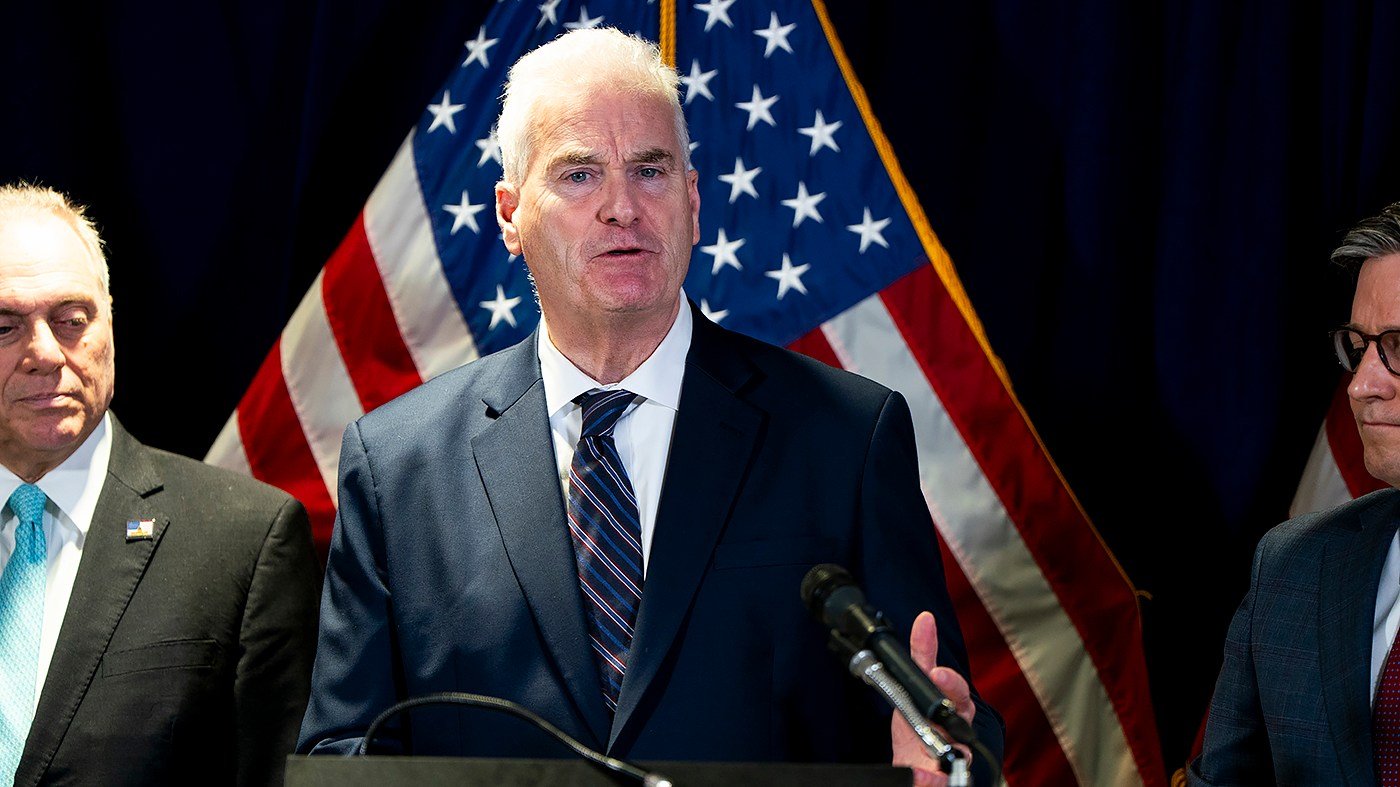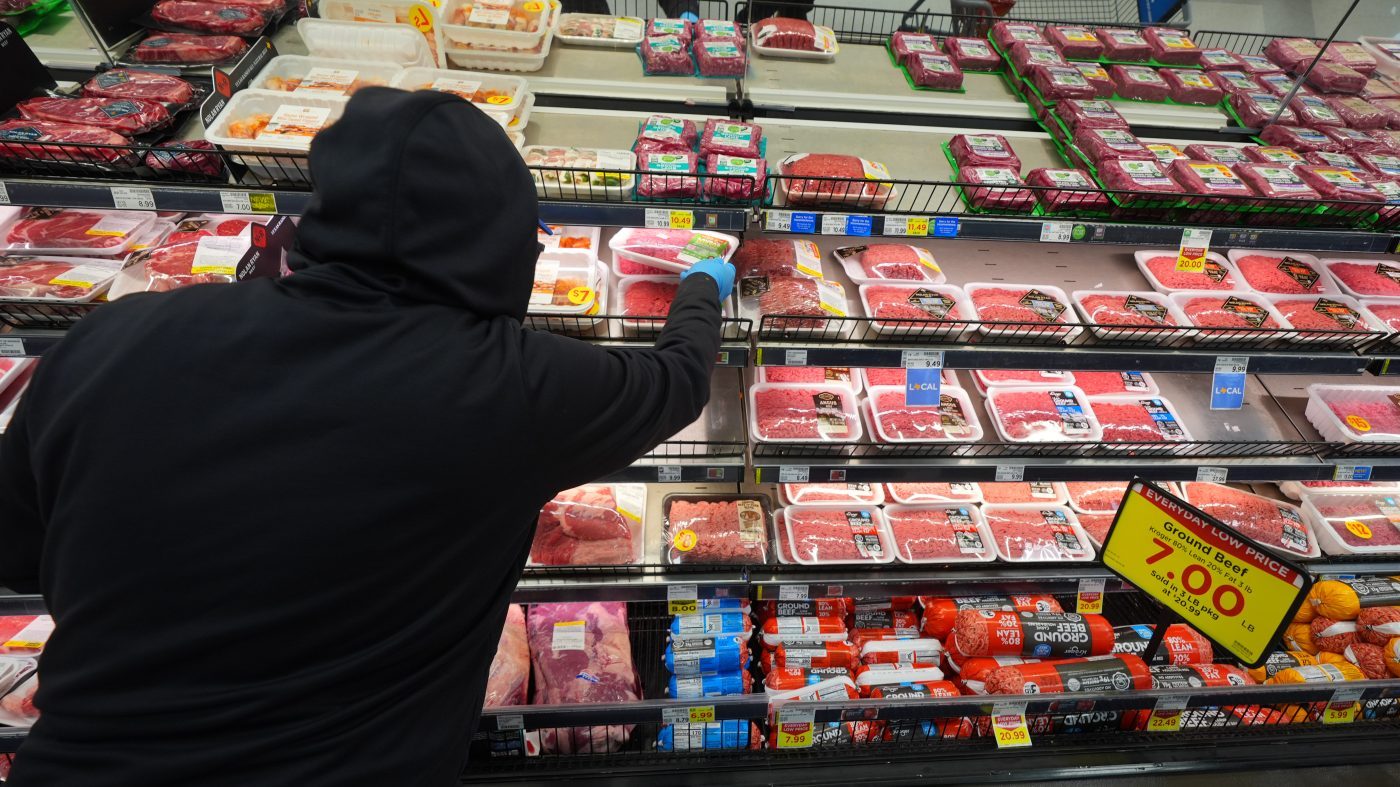
President Trump is betting that a surge of imported beef, coupled with tariff relief, will tame soaring consumer prices—but his plan is already drawing fire from ranchers and Republican allies who say it will do little to help shoppers and could cripple domestic producers.
Announcing what he called a “deal” last week, Trump said the U.S. would allow up to 300,000 metric tons of ground beef to enter without triggering higher tariffs over the next 90 days. He vowed the beef would be sold at “25 percent below current market prices,” but offered no specifics on which countries are involved, how the discount would be enforced, or who made the commitment.
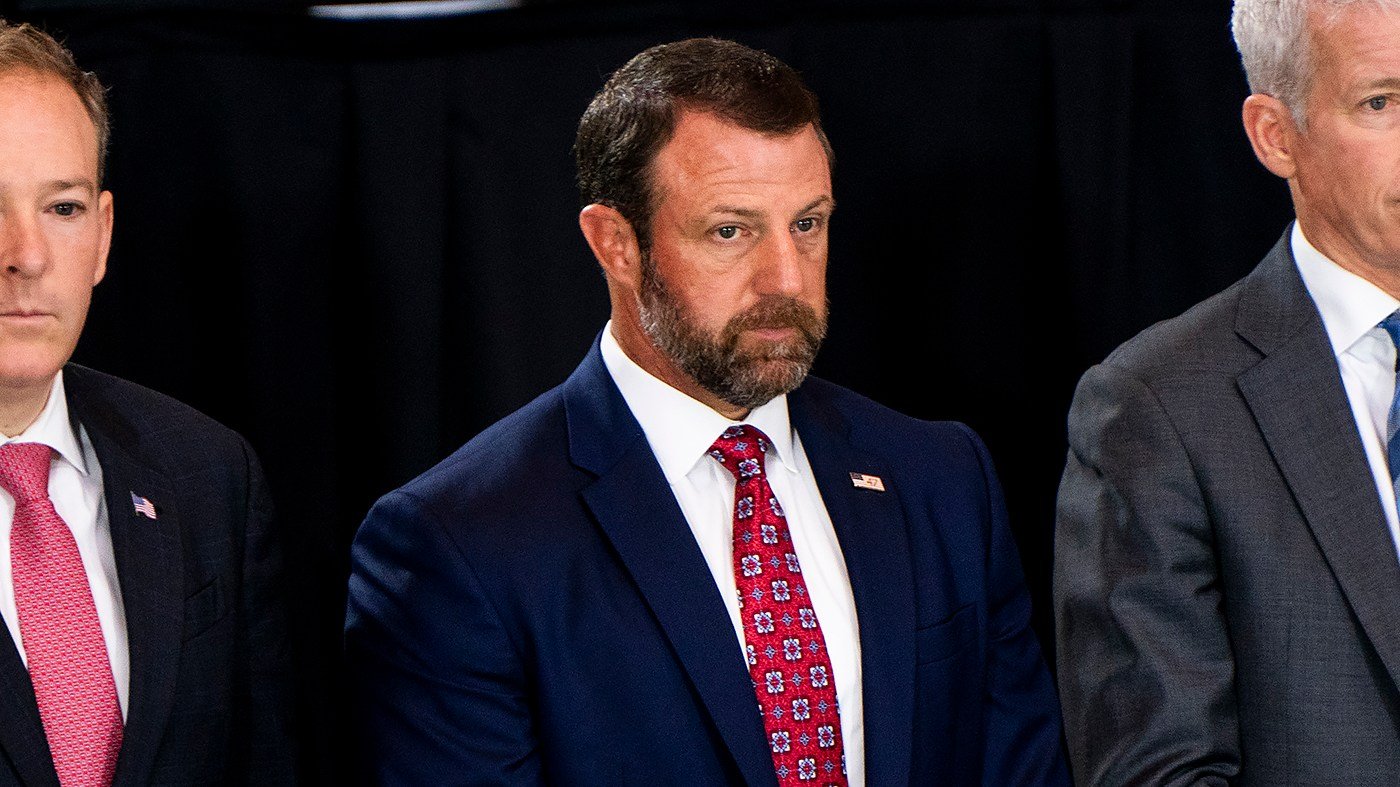
Pressed by reporters on Friday, Trump declined to name the supplier nations, saying only that “a few” would be sending “the highest quality beef.” The lack of transparency has fueled skepticism on Capitol Hill, where Senate GOP rebels are pushing back against the gambit.
Record imports amid shrinking herd
The U.S. Department of Agriculture (USDA) already projected beef imports would hit a record 6.1 billion pounds this year—a 14 percent jump from 2025—before Trump’s announcement. The surge reflects a domestic cattle herd at a 75-year low, driven by years of drought that forced ranchers to cull herds and sent consumer prices to historic highs.
In July, a pound of 100% ground beef averaged $6.89, up from $5.55 when Trump began his second term. Over five years, the price has climbed nearly 60 percent.
About 80 percent of U.S. beef imports in the first half of 2026 came from five countries: Brazil, Australia, Canada, Mexico, and New Zealand. But imports from smaller suppliers, including Argentina and Paraguay, jumped roughly 30 percent year-over-year, according to USDA data.
Where the beef comes from
USDA figures for January through June 2026 show Brazil leading with 717 million pounds (22 percent of total), followed by Australia (700 million, 21 percent), Canada (489 million, 15 percent), Mexico (398 million, 12 percent), and New Zealand (371 million, 11 percent). The rest of the world supplied 623 million pounds (19 percent).
Brazil was the only top-five supplier to see a decline from 2025, with volume down 3 percent. Meanwhile, Australia (+17 percent), Mexico (+30 percent), and the rest of the world (+31 percent) all posted significant gains.
Whether any country can deliver 300,000 metric tons within Trump’s 90-day window is unclear. For context, Brazil—the top supplier—sent about 387,000 metric tons to the U.S. during all of 2025.
Another wrinkle: Beef from Canada and Mexico is already exempt from tariff-rate quotas, so Trump’s temporary relief wouldn’t directly lower costs for those imports.
Ranchers and Republicans push back
The plan has ignited a fierce backlash from GOP ranchers, who argue it will undercut domestic prices, fail to rebuild the depleted herd, and ultimately do little to ease grocery bills. Massie and Greene have also rebuked the proposal, and Trump has defended the pause amid the uproar.
USDA data shows U.S. beef exports fell 16 percent in the first half of the year compared to 2025, suggesting exports aren’t the main driver of tight domestic supply.
Trump is expected to formally sign an executive order on the matter within the next two weeks, according to ABC News. The move is likely to intensify the rift between the White House and its rural base, as ranchers’ trust in the president wavers over the foreign beef imports.