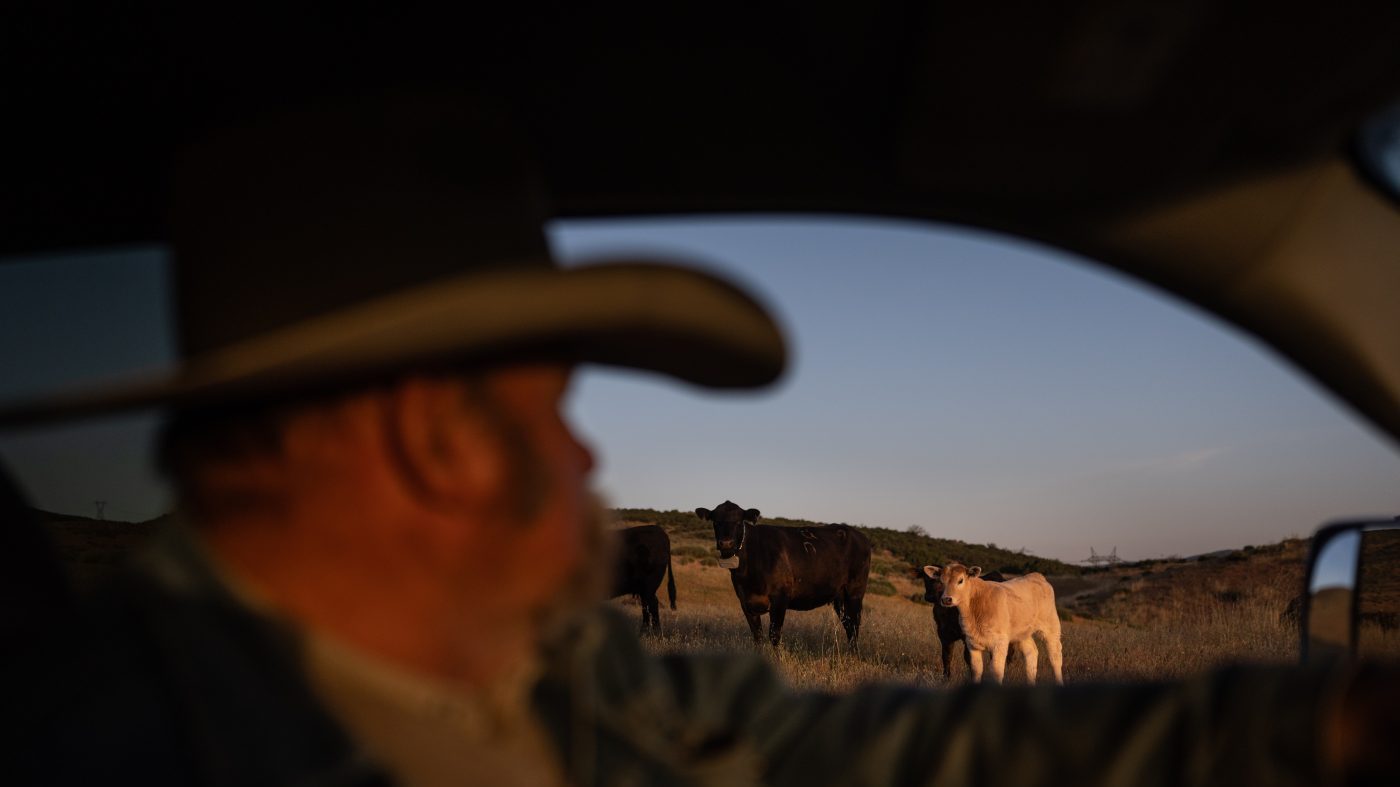
President Trump is facing fresh backlash from the nation's cattlemen over his decision to allow a surge of foreign beef into the U.S. market, a move that the head of the U.S. Cattlemen's Association says has damaged the president's credibility with a key constituency.
Justin Tupper, president of the Cattlemen's Association, said Wednesday that the administration's plan to import 300,000 metric tons of tariff-free ground beef over 90 days will not lower grocery prices as promised, nor will it help American ranchers expand their herds. Instead, he argued, it undermines the "America First" agenda that helped Trump win rural voters.
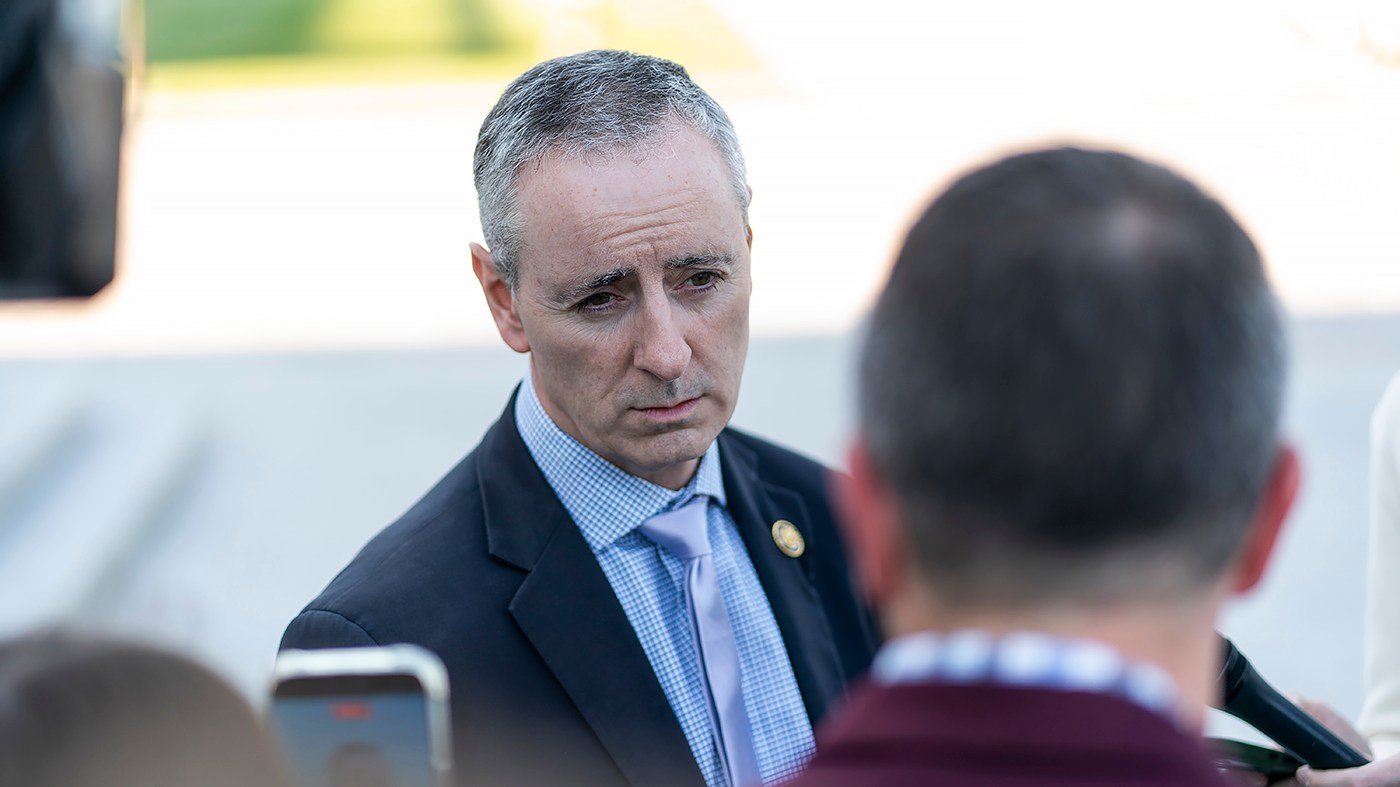
"There's still a lot of support for the president, but I think it's definitely taken a hit because this does not support the 'America First' agenda, and the American cattle ranchers are very proud people," Tupper said during an appearance on MS Now's State of Play. "They work very hard every day to produce something and feed the world, and they just want to have a free and fair market system to do that in. When you throw in some of these outside influences, it just throws a monkey wrench into it."
The import plan, which Trump has touted as a way to ease inflation at the meat counter, would allow foreign ground beef to enter the U.S. at a 25% discount to domestic prices. Ranchers and lawmakers warn that such a price differential will depress what domestic producers can charge, squeezing already-strained operations.
"Bringing in foreign beef that does not have to live up to the same standards or any of the things that we go by here in this country, we don't think will bring down the price of beef in the store and it's not gonna help the ranchers to increase their herds," Tupper said.
The criticism is not limited to the Cattlemen's Association. Zippy Duvall, president of the American Farm Bureau Federation, sent a letter to Trump on Wednesday describing the move as causing "apprehension" and "chaos" in the industry. Duvall noted that 70% of spring-born calves are sold during the 90-day window that overlaps with the import surge, which he said will weaken cattle prices and erode confidence for U.S. ranchers.
"Mr. President, a key tenant of your reelection campaign was affordability, including the costs of essentials like groceries and gas. Bringing down the price of cattle will not bring the price of beef down for American families," Duvall wrote. "Instead, it will discourage American farmers and ranchers from making long-term investments in herd rebuilding, extending the cycle of tight cattle supplies, high production costs and elevated beef prices for consumers."
Duvall also highlighted the scale of the import plan, which he said amounts to more than 660 million pounds of foreign beef entering the U.S. at a quarter below market rates. "To put it simply, allowing 300,000 metric tons—equivalent to more than 660 million pounds—of foreign beef into the United States at a 25% discount 'below market prices' will undermine America's ranchers who work tirelessly to grow food for American families,” he added.
Industry analysts point out that the U.S. cattle herd is already at a historic low, the result of years of drought, shrinking grazing lands, and reduced regional packing capacity. They also note that the promised savings for shoppers may never materialize, as large packers and retailers are likely to capture the margin between import costs and retail prices.
The dispute comes as Trump continues to push for a more interventionist approach to the economy, a stance that has sometimes put him at odds with traditional free-market conservatives. His handling of agricultural trade has also drawn scrutiny, with some lawmakers warning that such moves could have broader international repercussions.
Tupper said the administration's approach has left many ranchers feeling betrayed, even as they remain broadly supportive of Trump's other policies. "This does not support the 'America First' agenda," he reiterated, adding that the import plan "throws a monkey wrench" into a market that ranchers believe should reward their high standards and hard work.
For now, the White House has not indicated any willingness to reconsider the import plan, leaving ranchers and their advocates to hope that the president will listen to their concerns before the 90-day window begins.