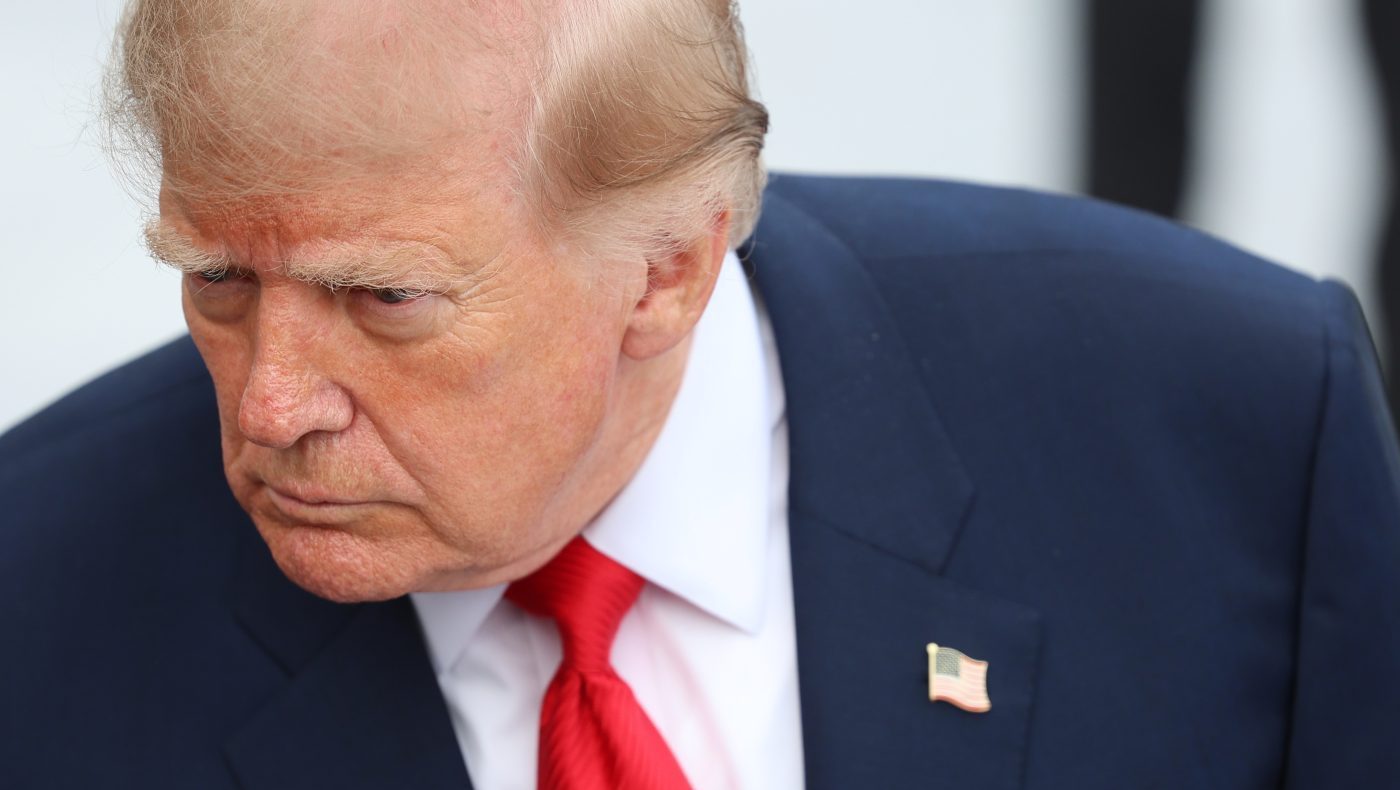
In late July, the Trump administration unveiled plans to acquire nearly $1 billion in equity stakes across seven additional private semiconductor firms, part of its broader push to bolster domestic chip production. This move brings the total number of companies in which the government now holds ownership to 30, following last year's demand for a 10 percent share of Intel. For a president who frequently labels Democrats as communists, this unprecedented government intrusion into private industry marks a striking departure from traditional American economic policy.
The line between the free market and government intervention has become increasingly blurred under Trump's watch. A growing roster of executives—particularly in the overlapping realms of Big Tech and surveillance—are eager to trade their nominal commitment to free-market principles for a share of political influence. This trend raises fundamental questions about the Republican Party's ideological direction, especially given its historical reverence for economist Milton Friedman.
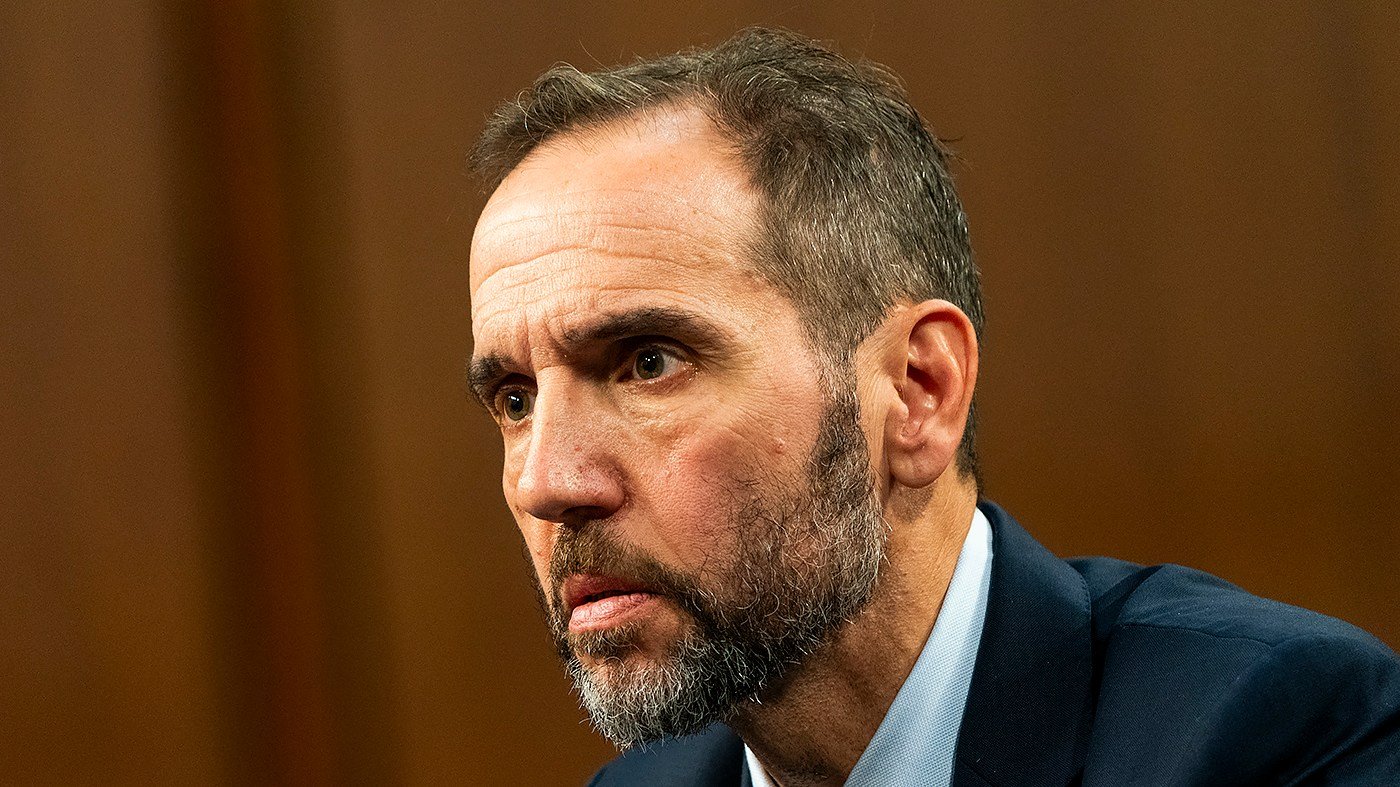
Friedman, a Nobel laureate and intellectual godfather of modern conservatism, warned repeatedly about the dangers of business-government collusion. In a 1976 speech in South Africa, he drew a sharp distinction between being "pro-free enterprise" and "pro-business," a theme he expanded in later interviews. By 1980, he bluntly stated, "I'm opposed to big business and I'm opposed to big government and I do believe they are in bed with one another." Today's Republicans, it seems, have forgotten these lessons, embracing a form of state capitalism that Friedman would have abhorred.
The harm extends beyond the government simply picking winners and losers. Trump's equity stakes create a climate where competitors to his favored AI and semiconductor players face insurmountable odds. A case in point: Trump's recent public endorsement of Scotts Miracle-Gro, a major donor, triggered a 6 percent surge in the company's stock price. This blending of political favor and market influence undermines the very notion of fair competition.
Trump's influence isn't limited to official government stakes. His personal stock trading has become a recurring theme, with public praise for companies shortly after he invests in them. According to CNN, Trump has promoted at least 20 companies on his Truth Social platform just days after purchasing their shares, and his financial disclosure forms ran to 800 pages of stock transactions. This pattern of using the presidency to boost his own portfolio is troubling enough, but using taxpayer dollars to take ownership in critical industries opens the door to far more dangerous corruption.
Trump justifies these stakes as serving America's strategic interests, but he often conflates national interest with his personal desire to project strongman leadership, akin to Xi Jinping's model. Friedman's warning is apt: "When you combine capitalists and ownership of property with political power you have too much power concentrated. If you have free enterprise, if you have competition, then one power is offset against the other power."
This dynamic is vividly illustrated by tech titans like Palantir's Alex Karp and Nvidia's Jensen Huang, who appear willing to sacrifice competition for lucrative government contracts and presidential favor. As Trump's view of the public interest increasingly aligns with Silicon Valley's self-interest, the government's ability to act as a watchdog over these industries becomes compromised.
The financial rewards for this alignment have been immense. Administration officials and corporate leaders have reaped billions over the past year, with Trump himself gaining more than $7 billion in cryptocurrency holdings. Notably, many of Trump's favored tech executives also hold significant amounts of his digital currencies, intertwining personal profit with political power.
Trump's embrace of state capitalism forces a national conversation about the nature of the U.S. economy and the government's role in favoring corporate giants. Friedman would undoubtedly condemn these actions. Democrats, who have long championed market competition, now have an unlikely ally in Friedman's legacy to remind Americans that free and fair markets benefit everyone, while government collusion enriches only a select few. As the administration continues its debt ceiling gambit and faces international trade tensions, the erosion of economic principles at home could have lasting repercussions. The GOP's abandonment of its free-market heritage may prove to be one of the most consequential shifts in modern American politics.