A senior Trump administration official confirmed Friday that negotiations with Iran have reached the 75% mark, with a formal signing expected in the coming days, despite mixed signals from Tehran and President Trump's public rebuke of leaked details.
The official, speaking to NewsNation on condition of anonymity, described the agreement as a “performance-based deal” that would require Iran to dismantle key parts of its nuclear program, destroy and remove nuclear material, open the Strait of Hormuz, and cease funding terrorist groups. No Iranian assets would be released until these conditions are met, the official stressed.

Conflicting Narratives Emerge
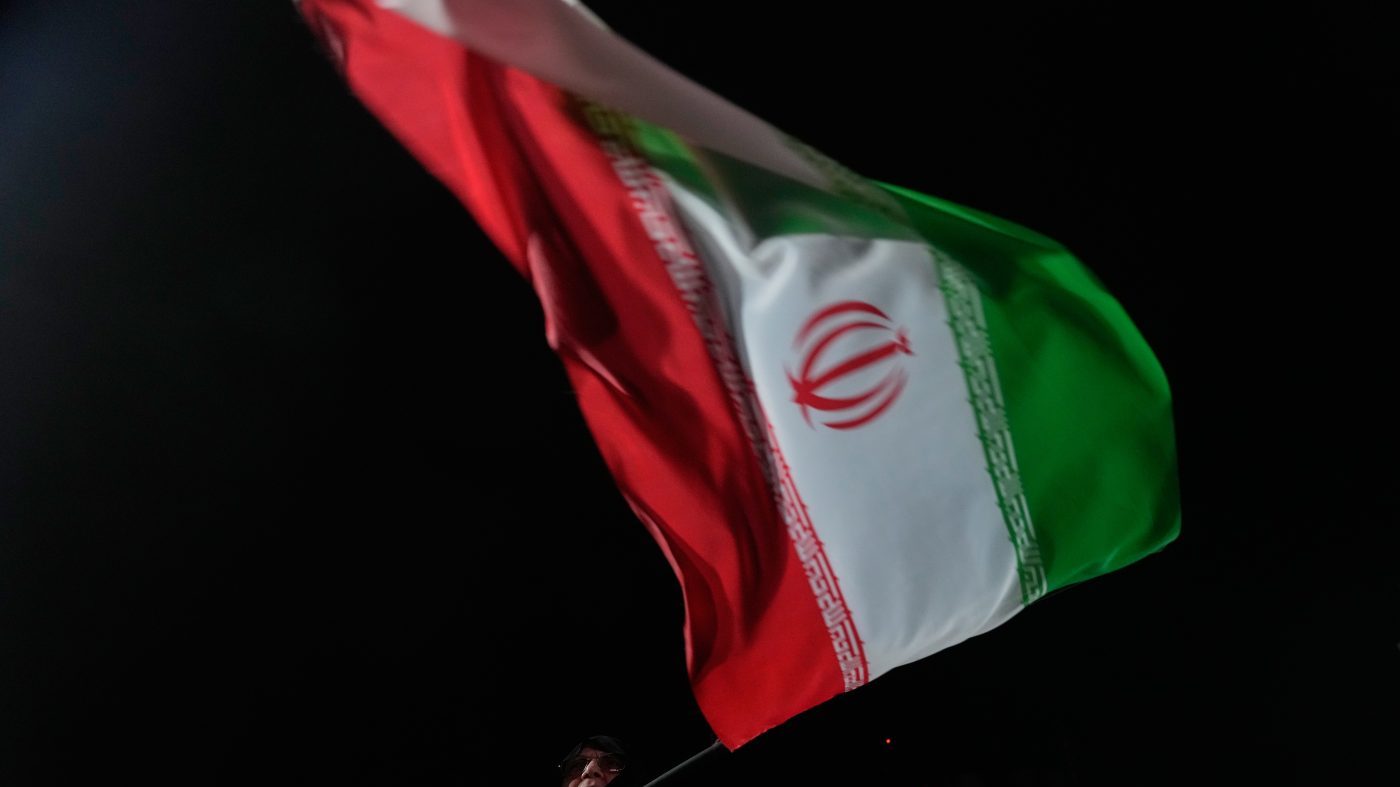
While the White House projects confidence, Iranian officials have offered a different picture. Foreign Minister Seyed Abbas Araghchi posted on X that the “Islamabad Memorandum of Understanding has never been closer,” but urged the media to avoid speculation about its content. “All details will be shared with the public in due course,” he wrote.
State-run news agency IRNA reported that Iran’s nuclear program would remain intact, with any talks on the topic postponed until 60 days after the memorandum is signed. IRNA also claimed Iran would not hand over management of the Strait of Hormuz to other countries, though it acknowledged a normalization of travel through the strait and an end to the U.S.-imposed blockade. Iran is reportedly demanding that Washington have no future role in managing the waterway.
Trump Blasts Leaks as ‘Fake News’
President Trump took to social media Friday to denounce details leaked to the press, calling them “inaccurate.” In a post on his platform, he wrote: “The terms that Iran leaked out to the Fake News have NOTHING to do with the terms that were agreed to, in writing.” He accused Tehran of bad faith, adding: “Very dishonorable people to deal with. With them, there is no such thing as dealing in good faith.”
Trump’s outburst came after Iranian state media reported that frozen assets would be released immediately upon signing and that nuclear discussions would occur later. The president warned: “They better get their act together, and FAST!”
Broader Context
The negotiations come amid heightened tensions in the region, with the Strait of Hormuz—a critical chokepoint for global oil shipments—at the center of the standoff. The deal’s potential impact on energy markets and inflation has drawn attention, as inflation recently hit 4.2%, its highest in three years, fueled in part by Iran war energy costs. Meanwhile, the administration has faced criticism for its handling of other foreign policy issues, including a pattern of excluding women from key roles.
As the clock ticks toward a potential signing, the gap between U.S. and Iranian accounts remains wide. Whether the deal can hold together under the weight of mutual distrust is an open question.