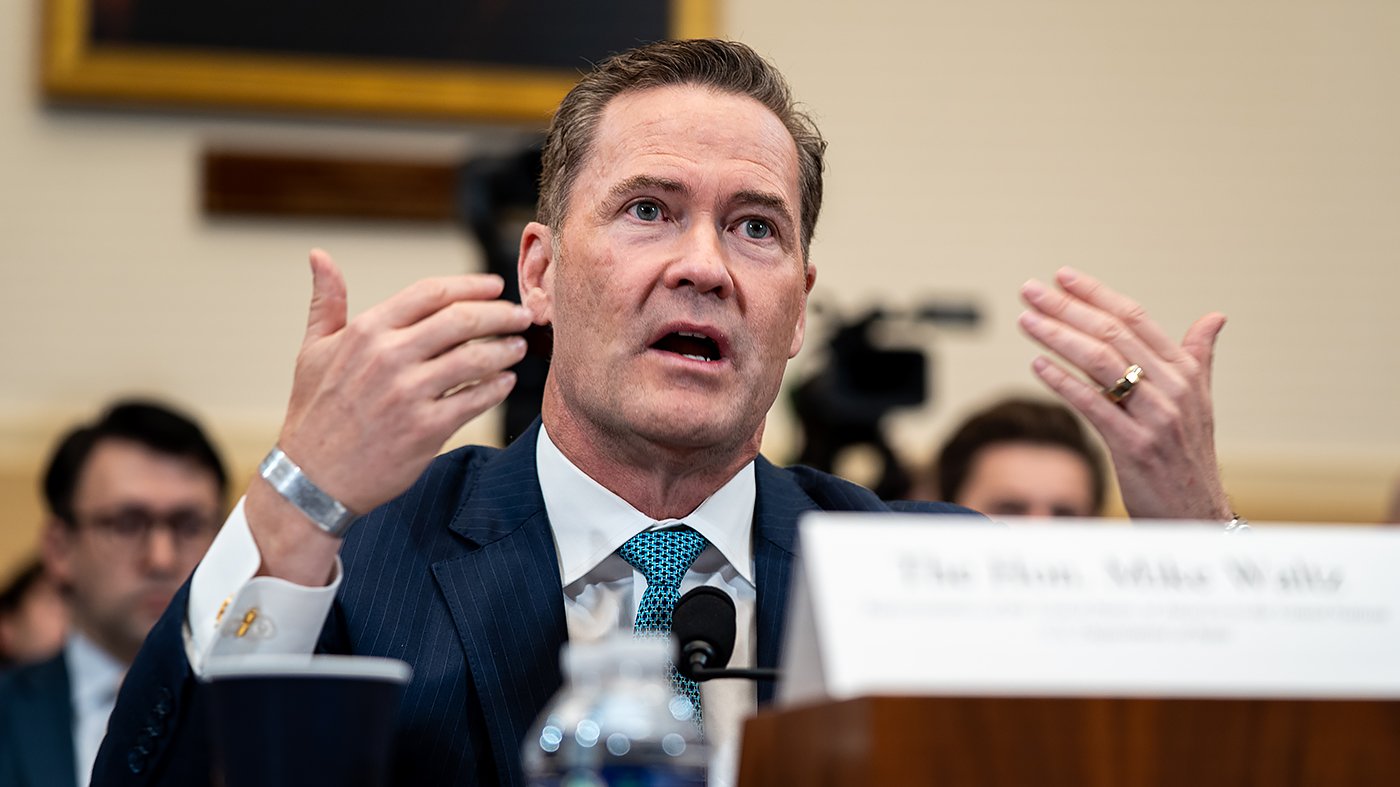
U.S. Ambassador to the United Nations Mike Waltz took to the Sunday talk shows to tamp down concerns about the recently announced nuclear cooperation agreement with Saudi Arabia, insisting the United States is not handing over the keys to a bomb. In a series of interviews, Waltz stressed that the deal is strictly for civilian power generation and comes with robust nonproliferation safeguards.
“We are not exporting enrichment capability to the Saudis,” Waltz said on Fox News Sunday. He described the agreement as covering “civilian nuclear power plants” as the kingdom looks to diversify its energy mix. “The difference is, they’ve signed up for full inspections. There is no enrichment.”

The clarification comes after President Trump announced the deal last week, immediately conditioning it on Saudi Arabia normalizing relations with Israel as part of the broader Abraham Accords. This linkage has already stirred debate, with critics like Senator Chris Van Hollen accusing the administration of a bait and switch on the nuclear deal.
Waltz sought to distinguish the Saudi arrangement from the ongoing standoff with Iran. He pointed to Tehran’s enrichment activities—conducted deep underground and without full IAEA access—as a stark contrast to Riyadh’s pledge to allow international inspectors. “Compare that with what’s going on in Iran,” Waltz told Fox News Sunday. “This is about civilian nuclear power, very different from Iran’s obsession with a nuclear weapon.”
On NBC’s Meet the Press, Waltz emphasized that the U.S. has not sold nuclear technology to Saudi Arabia “in terms of small modular reactors, micro reactors, large reactors, in many, many decades.” He added flatly, “There is no enrichment envisioned in this plan.”
The agreement marks a departure from the 2009 U.S.-UAE nuclear pact, under which the Emirates forswore enrichment and accepted IAEA inspections. Critics worry the Saudi deal could set a precedent that weakens global nonproliferation standards. The Energy Department, however, argues it will create American jobs and bolster the U.S. nuclear industry.
Energy Secretary Chris Wright defended the accord in a statement, saying it “upholds the highest standards of nuclear safety and nonproliferation, while relying on the world’s best nuclear technology and scientists, designed right here in the United States.”
The political stakes are high. While Trump has tied the deal to Saudi-Israeli normalization, the kingdom has long insisted that any such step requires a credible path to Palestinian statehood—a nonstarter for Israel’s current government. Meanwhile, Waltz’s weekend media blitz suggests the administration is eager to control the narrative as scrutiny intensifies from both congressional Republicans and Democrats.