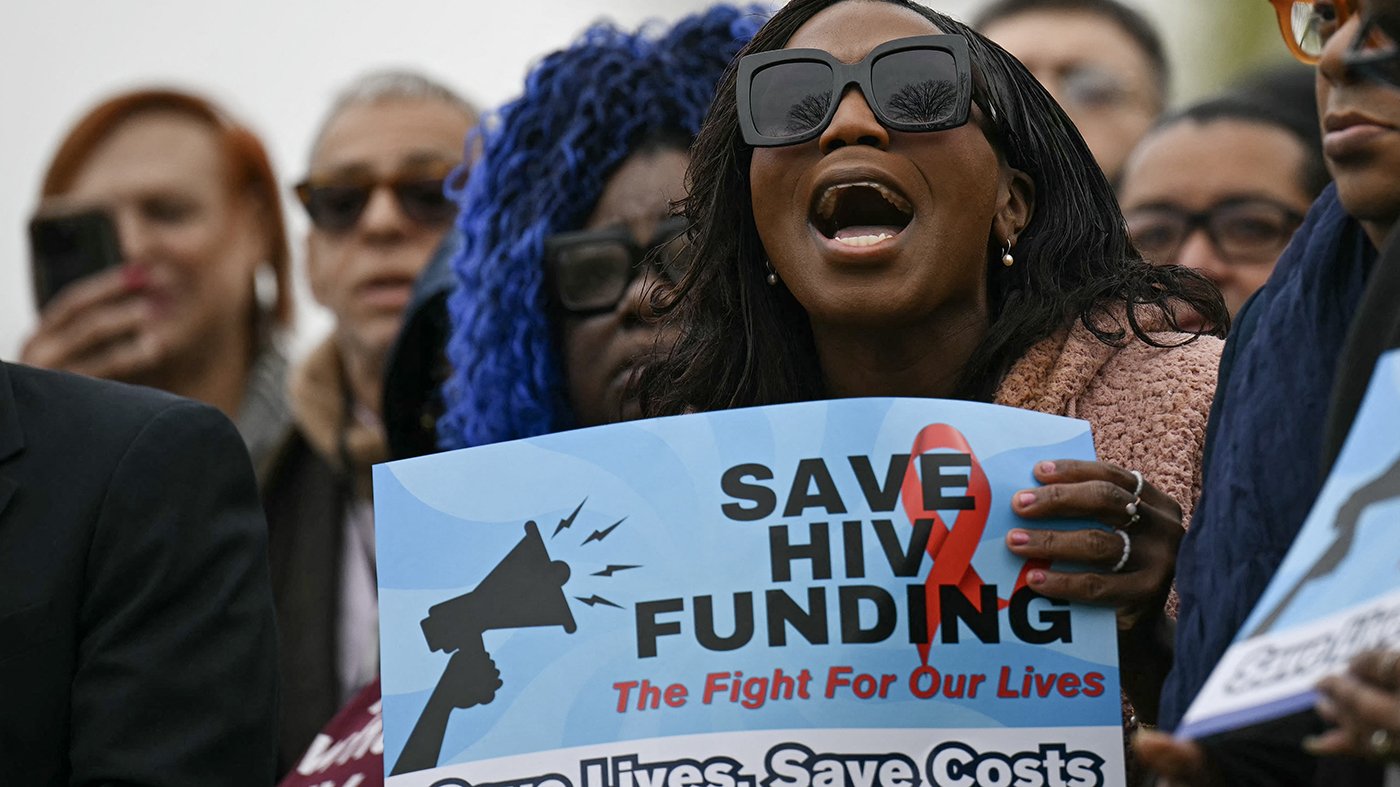
Two reports released at the International AIDS Conference paint a stark picture: global funding for HIV response plummeted in 2025, a direct result of the Trump administration's sweeping cuts to foreign aid. The findings from KFF and UNAIDS warn that years of progress in combating the epidemic are now at serious risk.
According to the KFF analysis, total donor disbursements to low- and middle-income countries fell by $2.1 billion last year, landing at $6.2 billion—a 25% decline from 2024's $8.3 billion. That marks the steepest single-year drop since donor funding began scaling up, and the lowest level of support since 2007.
The U.S. remains the largest donor, contributing $4.6 billion in 2025, which still accounts for 74% of all donor government funding. But the Trump administration's America First Global Health Strategy has deliberately pulled back from open-ended commitments. The strategy calls for a projected $7.3 billion reduction in U.S. contributions over the next five years, with officials arguing that other nations need to shoulder more of the burden.
The cuts have been abrupt and sweeping. The administration froze and later canceled numerous global HIV projects, dismantled the U.S. Agency for International Development, and eliminated American support for UNAIDS entirely in 2025. While Congress has continued to appropriate steady funding for HIV programs, it remains unclear whether the administration will actually release those funds.
Jennifer Kates, director of the Global and Public Health Policy Program at KFF and a co-author of the report, described the sudden withdrawal as a “shock.” She noted that U.S. contributions were never intended to last forever, but the speed of the pullback has left no time for other donors to adjust. So far, there is no indication that other countries plan to fill the gap.
Other donor nations have kept their contributions flat compared to 2024. France, the second-largest donor, provided just $280 million. Over the longer term, non-U.S. donor funding has declined by nearly 50% since 2011.
A separate UNAIDS report warned that the combination of funding cuts and reductions in prevention and community services will likely lead to a resurgence of the epidemic. The world is currently not on track to meet the 2030 goal of ending AIDS as a public health threat.
“The era of relying on international aid is over,” said Winnie Byanyima, UNAIDS executive director, in a statement. “Countries cannot wait and they cannot go backwards. The world must urgently fix the broken financial system and accelerate debt restructuring so that governments can invest in what matters most—the health, education and futures of their people.”
The cuts come amid broader foreign policy shifts under Trump, including a pause on Iran strikes and a push for other nations to increase their contributions to global security and health. The administration's approach has also drawn scrutiny over rising energy costs and domestic priorities.
Kates emphasized that the U.S. withdrawal has created a dangerous vacuum. Without a coordinated international response, the gains made over decades in fighting HIV could be undone, leaving millions without access to treatment and prevention.