Former President Donald Trump asserted on Monday that his decision to delete a controversial AI-generated social media post, which depicted him in a messianic light, was not motivated by criticism from conservative figures, including prominent GOP activist Riley Gaines. The image, which circulated on Trump's Truth Social platform, portrayed the former president in a white robe and red shawl, appearing to heal a man lying in a hospital bed, surrounded by symbolic American imagery including eagles, fighter jets, and the Statue of Liberty.
Conservative Criticism and Trump's Rebuttal
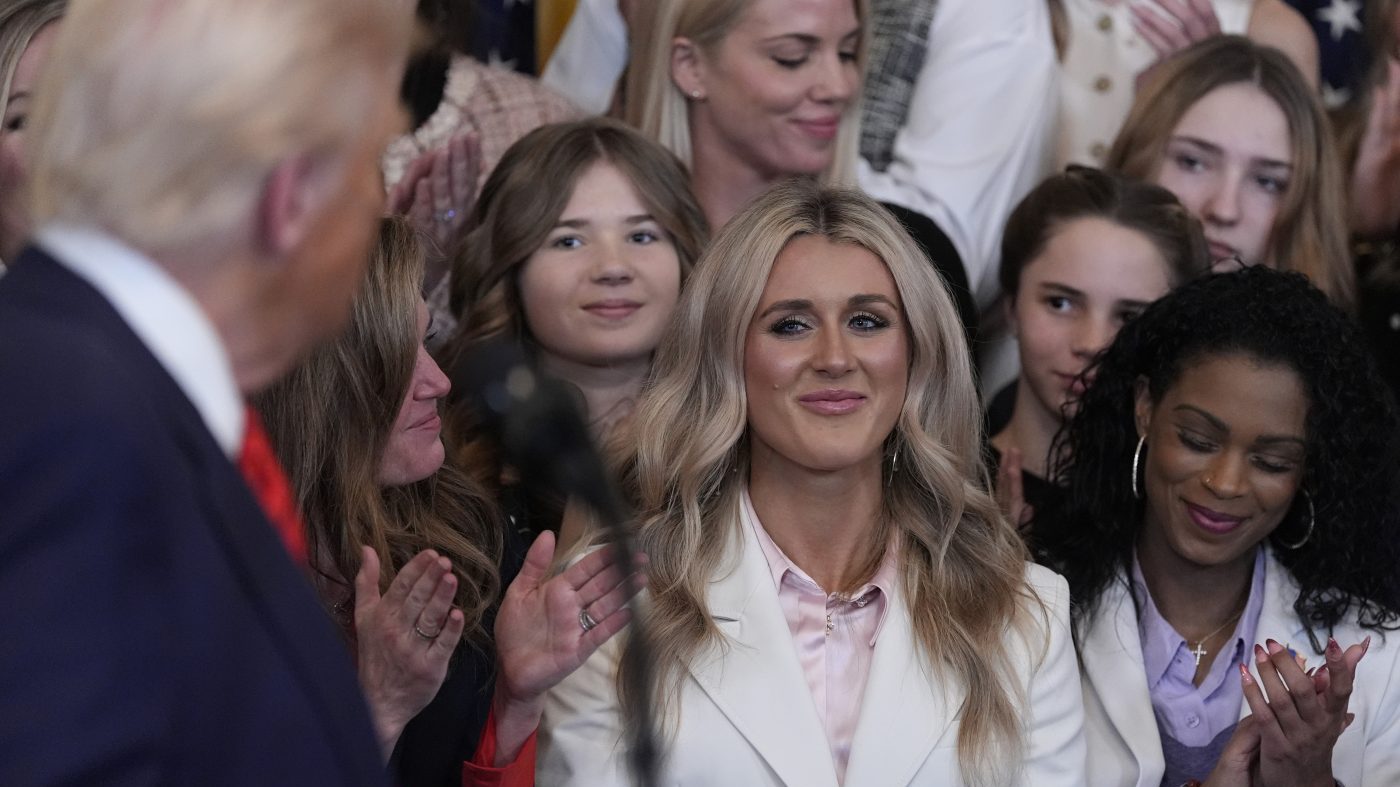
The post quickly ignited a firestorm among some conservative and Christian circles, with critics labeling it blasphemous for its overt religious parallels. Riley Gaines was among the vocal detractors, writing on social media platform X that the post "missed the mark" and questioning why Trump would share such content. "I cannot understand why he'd post this," Gaines wrote, adding that "a little humility would serve him well" and that "God shall not be mocked."
Despite her criticism, Gaines later described the deletion of the post as "amazing," offering praise for Trump and noting that "we're imperfect people." She added, "I don't get my feelings hurt easy and I know with the President it's really not personal," expressing a desire to "spend eternity in a real place called Heaven" and that she would "love for Trump to be there too."
"I'm Not a Big Fan of Riley, Actually"
In a statement to CBS News, Trump directly refuted the notion that Gaines or similar critiques influenced his choice to take the image down. "It was not because of Gaines or others' comments that the post was ultimately removed," he said, before taking a pointed jab at the activist: "I'm not a big fan of Riley, actually."
Trump offered an alternative explanation for the AI artwork, claiming it was misinterpreted by the media. "I thought it was me as a doctor, and had to do with the Red Cross, as a Red Cross worker there, which we support," he stated. "Only the fake news could come up with that one. I just heard about it, and I said how did they come up with that? It's supposed to be me as a doctor, making people better and I do make people better." This incident is part of a broader pattern where the MAGA movement often rallies around Trump's persona, frequently dismissing internal policy dissent.
Broader Context of Religious and Diplomatic Tensions
The controversy arrives amid heightened tensions between Trump and the Vatican. The former president has recently clashed with Pope Leo XIV, who has been openly critical of U.S.-Israeli joint military actions against Iran. Trump accused the pontiff of being "terrible on Foreign Policy" and claimed in a Sunday post that if he "wasn't in the White House, Leo wouldn't be in the Vatican." In response, the Pope told reporters on Monday, "I'm not afraid of the Trump administration or of speaking out loudly about the message of the Gospel." This ongoing feud has drawn commentary from other political figures, with former Speaker Nancy Pelosi suggesting the conflict warrants a psychiatric evaluation, while Senator J.D. Vance has defended Trump's posture, dismissing diplomatic tensions as a distraction.
The AI image itself was richly detailed, featuring a nurse, a soldier, and a praying young woman surrounding Trump. Ghostly figures of service members appeared in a sky dotted with fireworks over national monuments. The imagery, while intended by Trump's team as a display of patriotic healing, crossed a line for many faithful viewers who found the comparison to Christian iconography inappropriate. This is not the first time such imagery has sparked backlash; a similar AI-generated 'healer' image previously drew blasphemy criticism from a pastor linked to commentator Pete Hegseth.
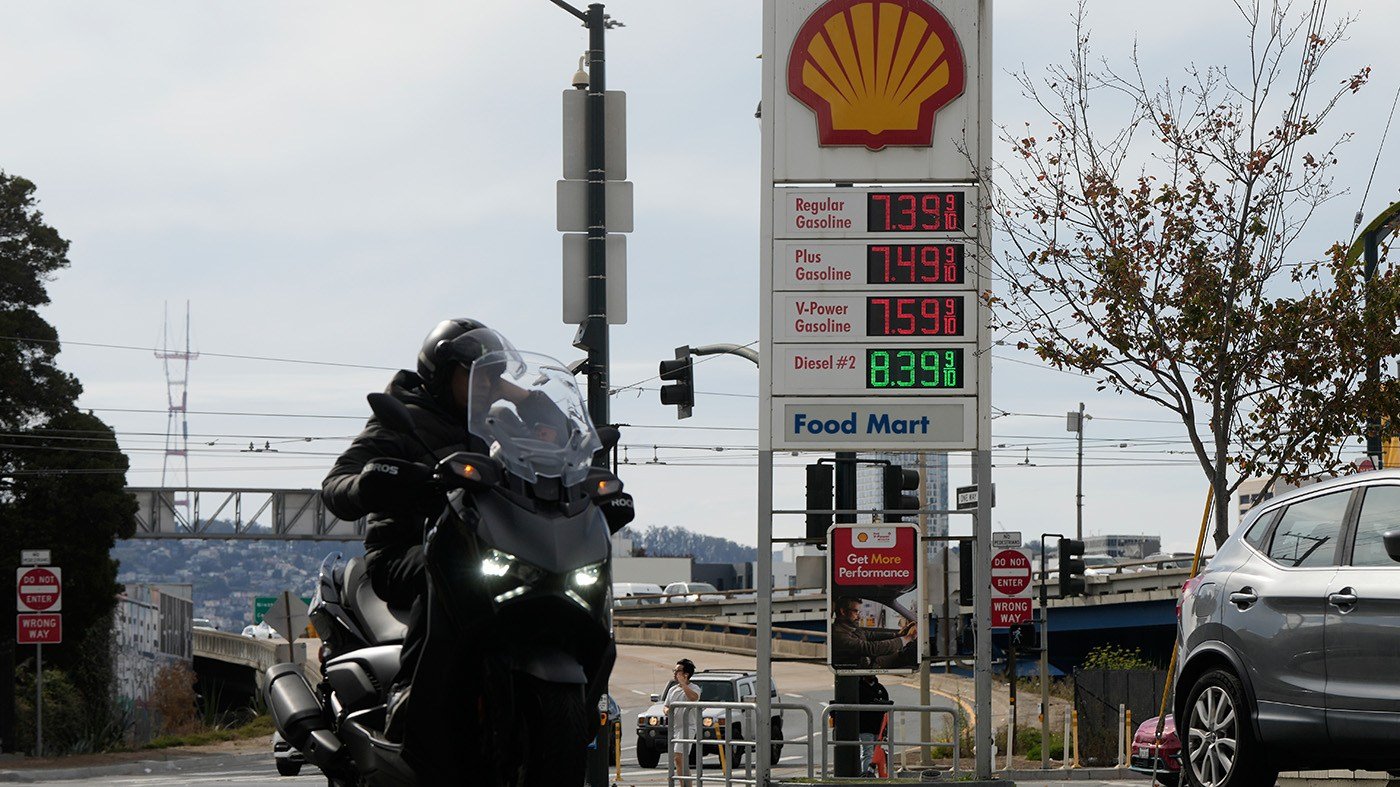
The episode underscores the delicate intersection of politics, faith, and digital media in the current election cycle. It highlights how rapidly generated AI content can create immediate political headaches, forcing campaigns to manage fallout from their own digital outreach. Trump's blunt dismissal of a conservative activist also reveals ongoing tensions within the Republican coalition as it navigates his dominant influence ahead of the midterm elections, a period where issues like gas prices are already rattling the GOP.
As the campaign progresses, the management of symbolic messaging and the response to internal criticism will remain critical. This incident demonstrates Trump's continued willingness to directly engage with and rebuff detractors from within his broad political base, even on sensitive religious grounds, while maintaining his signature narrative of battling dishonest media portrayal.