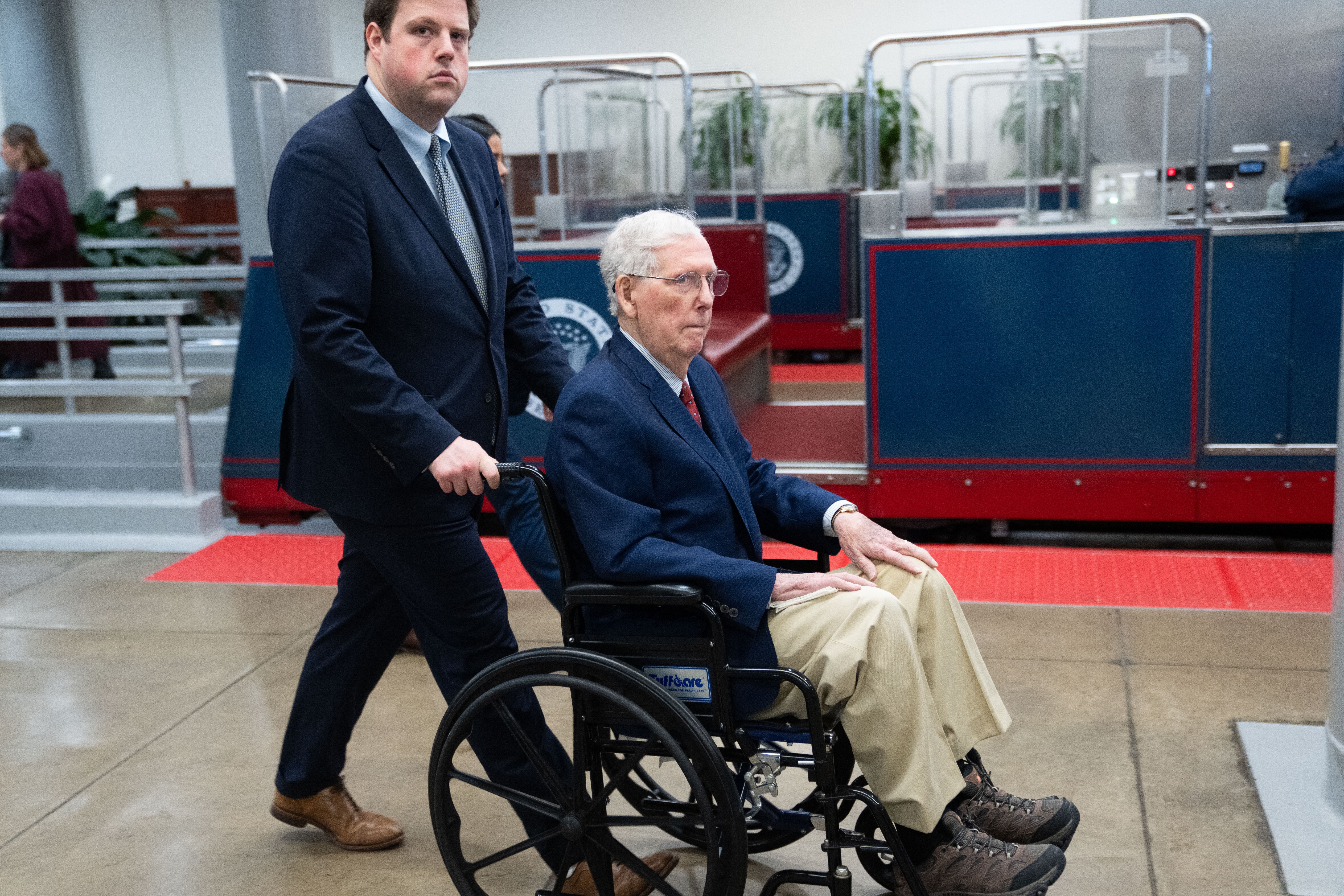
The debate over aging and incapacity in Congress has intensified following high-profile cases like Mitch McConnell, Kay Granger, and Dianne Feinstein. While voters choose their representatives, the system lacks an effective mechanism to remove those who can no longer perform their duties. The Constitution grants Congress the power to judge its members' qualifications and expel them, but that power has never been used for incapacity.
Historical examples abound: Senator Karl Mundt of North Dakota missed the final three years of his term after a stroke, and Senator Carter Glass of Virginia was absent for nearly two years due to illness. In Glass's case, constituents petitioned courts to remove him, but the courts declined. These cases highlight a glaring gap in congressional governance.

The average age of senators is now around 65, with 30 senators over 75, including 92-year-old Chuck Grassley of Iowa. The House skews younger, but still has 18 members over 80. Age alone is not the problem, as Idaho's 82-year-old Senator Jim Risch told NBC: “You got to like the job, and you got to have enough time to spend with your family, and you got to have your health, and if you've got your health and you're doing what you want to do, why not?”
However, when age leads to illness or infirmity that prevents a lawmaker from doing their job, the system fails. Some propose a constitutional amendment, like University of Virginia law professor John Martin, who suggests allowing temporary transfers of duties or involuntary removal for long-term incapacitation. But others argue that Congress already has the authority to act through legislation or its own rules.
On July 16, Representatives Seth Moulton (D-Mass.) and Ritchie Torres (D-N.Y.) introduced the Duty of Transparency Act, which would require members to disclose planned absences of 21 days or more within five days, including an “honest” reason. Moulton argues, “Transparency isn't optional in public office. People deserve to hear directly from the member representing them about whether they're able to carry out the duties of the job they were elected to do.”
While transparency is a step forward, experts say more is needed. Congress should establish a procedure to investigate extended absences or non-voting, and if a member is found incapacitated, the chamber could remove them by a two-thirds vote, similar to expulsion. This would not be an easy process, but it would address the current situation where some members remain long past their ability to serve effectively.
As the redistricting battles and political maneuvering continue, the issue of congressional incapacity remains a pressing concern. Democracy requires that voters choose their representatives, but it also requires that those representatives can fulfill their responsibilities. Defending both principles is essential.