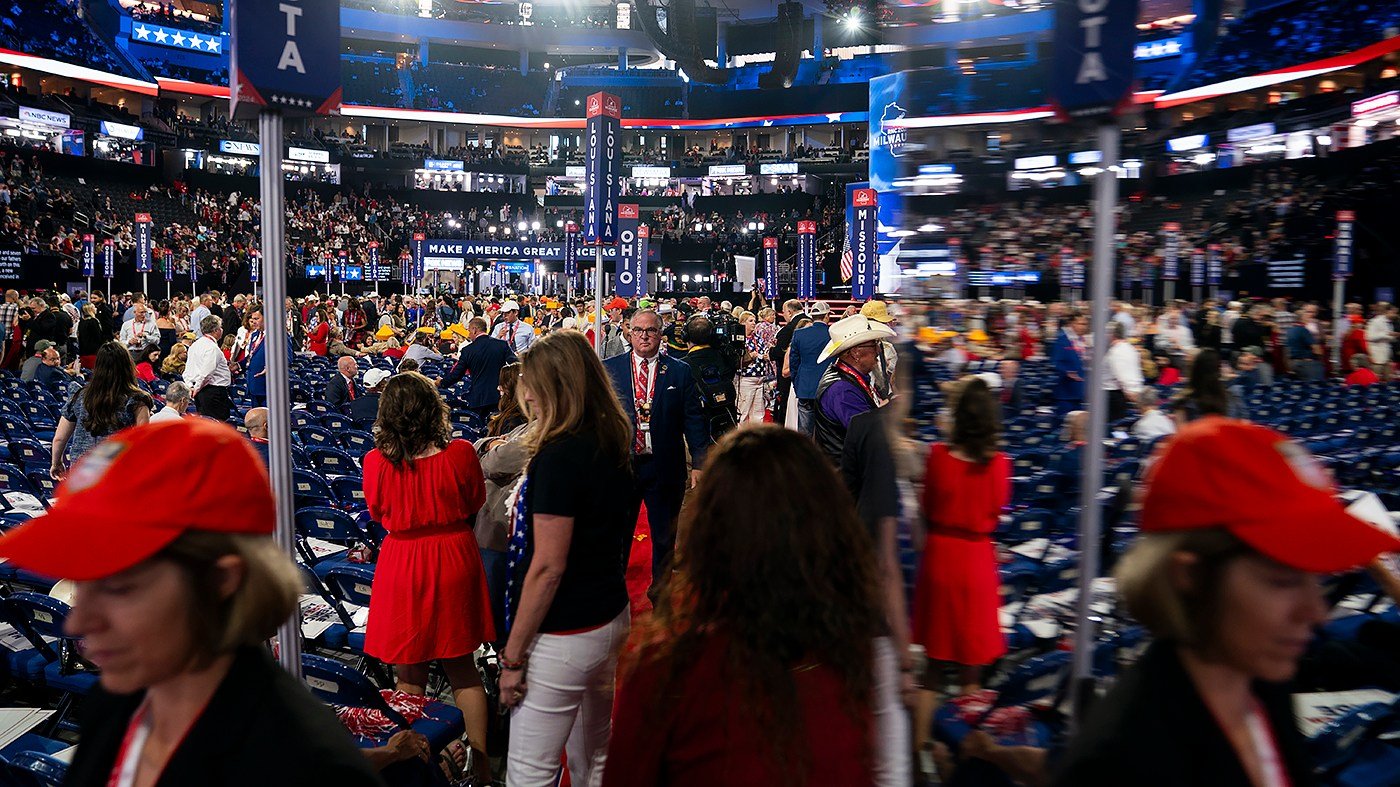
As the Republican Party gears up for its first-ever midterm convention in Dallas next week, a notable number of GOP candidates and incumbents are choosing to stay away, reflecting growing unease over President Trump's political standing. The decision to skip the event highlights the party's internal struggle as it navigates a challenging electoral landscape, with control of both chambers of Congress hanging in the balance.
Joshua Blank, research director for the Texas Politics Project at the University of Texas at Austin, noted that Trump's sagging approval ratings are prompting Republicans to reassess their proximity to the president. "Hugging Donald Trump is really good in the Republican primary. It remains to be seen whether it's helpful in a competitive general election in 2026," he said.
Senate Majority Leader John Thune (S.D.) and House Speaker Mike Johnson (La.) are among the top GOP figures expected to attend. Texas Attorney General Ken Paxton, who is trailing in some polls against Democrat James Talarico in a key Senate race, will also be present, with Trump reportedly making Paxton a central focus of the event.
According to a source familiar with the planning, the National Republican Congressional Committee (NRCC) has distributed more than 2,000 tickets, with around 100 members and candidates confirmed to attend. However, a Politico survey of over 70 Republican candidates and lawmakers found that more than half plan to skip the gathering, including Reps. Tom Barrett (R-Mich.) and Zach Nunn (R-Iowa), both of whom are fighting for reelection in highly competitive districts.
Several lawmakers cited scheduling conflicts. Rep. Mariannette Miller-Meeks (R-Iowa) said her time would be better spent in her district, while Rep. Rob Bresnahan (R-Pa.) indicated he hadn't yet committed. Both are running in toss-up races in states Trump carried in 2024. The event's steep price tag—House members are reportedly expected to contribute a minimum of $25,000 to participate—may also be a deterrent, though a source familiar noted that past conventions have had higher fees.
The timing of the convention, scheduled for Sept. 9-10, has also raised eyebrows. It begins two days after Labor Day and coincides with the first two NFL games of the season. The New England Patriots face the Seattle Seahawks on the same evening Vice President Vance is slated to speak, and the San Francisco 49ers play the Los Angeles Rams as Trump delivers the keynote. Additionally, attendees flying out on Friday will depart on the 25th anniversary of the 9/11 attacks, with several northeastern lawmakers telling Politico they have district commitments for the commemoration.
Democrats, however, argue that these excuses mask the real reason for the low turnout: Trump's unpopularity. "If they're being honest, no rational Republican who has a truly contested race in November wants to attend a midterm @GOP convention in Dallas shortly after Labor Day that will feature a deeply unpopular @POTUS," former Obama strategist David Axelrod wrote online.
Republicans push back on that narrative, emphasizing Trump's role as a turnout machine. "The outreach and enthusiasm to attend, participate, and speak at this historic midterm convention has been incredible, from Members of Congress to Republican candidates to everyday Americans," said RNC press secretary Natalie Baldassarre. "Republicans across the country are rallying behind President Trump's America First agenda that's brought lower drug prices, lower taxes, and a secure border, and this convention will provide the momentum needed to expand our majorities in November."
A GOP source suggested that the benefits of Trump at the convention and on the ballot outweigh the risks. "A lot of them are people who are not engaged in politics," the source said of the party's base. "They will only come out and vote if Donald Trump comes out and says I need you to go to the ballot box." The source added, "We are putting the president on the ballot as much as we can. The Democrats are going to brand us with Trump so you might as well embrace it and get the benefits that come with it."
Trump has already held campaign-style events in battleground districts, including New York's 27th, represented by Rep. Mike Lawler (R), one of the most vulnerable incumbents. "He has no problem being there with the president," said one national Republican operative. Yet, with Thune admitting the GOP Senate majority is at risk, and Trump's approval rating 18 points underwater per Decision Desk HQ averages, attending what some call a "Trump-a-palooza" may be a liability for many Republicans.