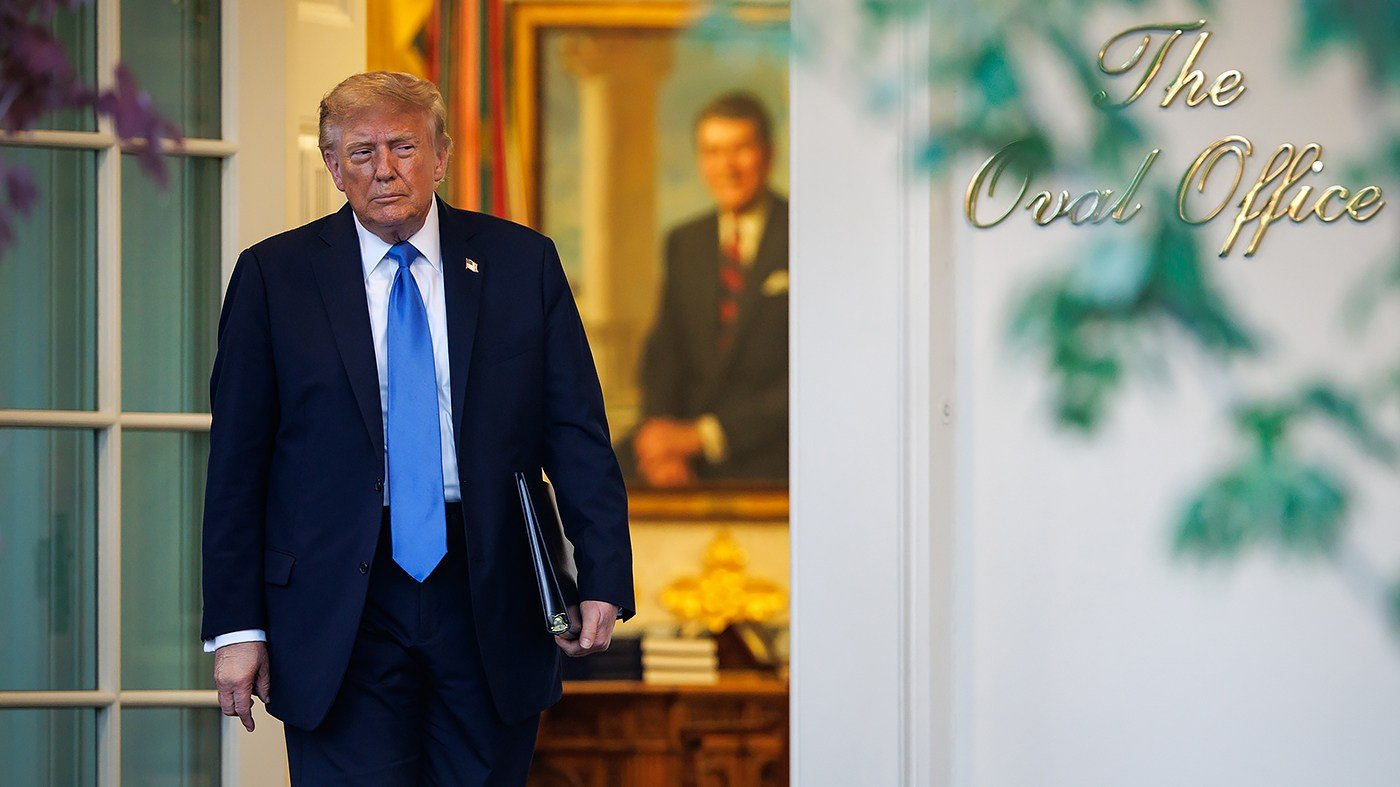
Republican senators and candidates are sharply divided over President Trump's upcoming midterm convention, with some eager to harness his base's energy while others fear being tied to a president whose approval ratings are slipping. The two-day event, hosted by Trump allies in Dallas, is expected to draw a large crowd of GOP incumbents, but strategists are urging those in competitive races to keep their distance.
One senior Republican strategist, speaking anonymously, called Trump an "absolute albatross" for candidates in tight contests, noting that the president's focus on the economy and avoiding foreign wars has not materialized as promised. "By having a Republican candidate attend the convention, you're tying yourself immediately to the president," the strategist said. "You're already defending a voting record if you're an incumbent, and then you have to defend anything the president says at the convention—anything anyone else says—because if you're there, you're tied to it."
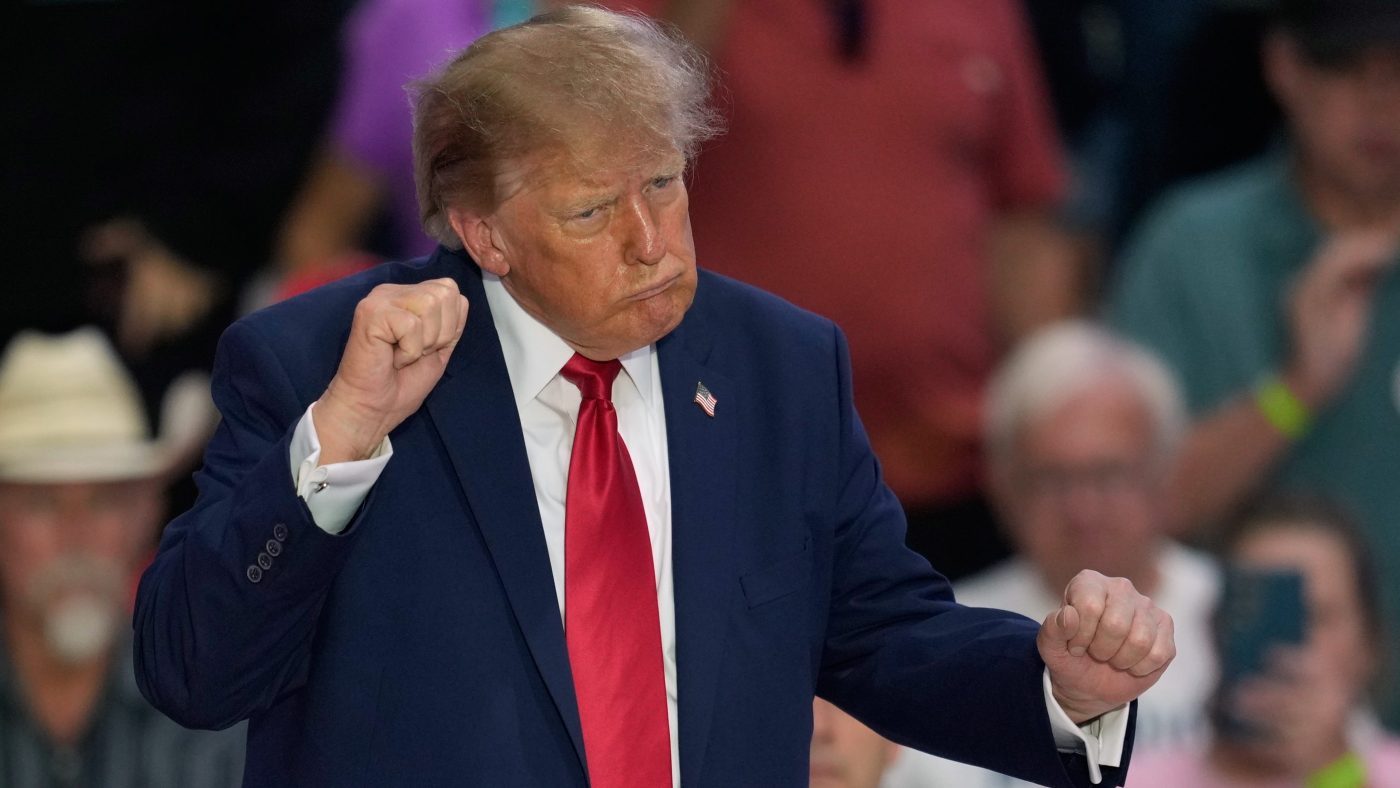
The warning has been heeded by several vulnerable incumbents. Sen. Susan Collins (R-Maine), one of the most endangered senators, has opted to skip the gathering, with a spokesperson saying she "runs her own campaign independent of any national party schedule." Similarly, Sen. Mike Rounds (R-S.D.) is staying home, preferring to meet constituents across his state. "I'm back in the state of South Dakota," Rounds said, noting he has visited 14 communities since returning.
Rounds faces a surprisingly competitive challenge from independent Brian Bengs, with a recent poll showing the two tied at 44 percent. While Rounds is still favored to win, the tight numbers underscore the GOP's difficult environment. Trump's trade war with Canada and his decision to allow 300,000 metric tons of foreign beef imports have angered South Dakota ranchers, who feel betrayed. "The suggestion that they bring in 300,000 metric tons of beef is not a popular program," Rounds said. "They feel just like the administration pulled the rug right out from underneath a lot of our farmers and ranchers."
Another GOP strategist highlighted Trump's poor standing with independents as a "huge problem" in key battleground states. Civiqs polling shows Trump underwater with independents in Maine, Michigan, North Carolina, Ohio, Iowa, and Alaska. In Maine, his approval among independents is just 21 percent, with 61 percent disapproving; in Ohio, it's 27 percent approval versus 63 percent disapproval.
Despite these risks, some Republicans are embracing the convention. Sen. Roger Marshall (R-Kan.), facing a tougher-than-expected race against Democrat Adam Hamilton, plans to attend. "We need the president's base to get out and vote," Marshall said, noting that about 200,000 Kansans may only vote when Trump is on the ballot. "He needs to communicate to them that he is on the ballot, that if we lose the House it will just be one impeachment after another—his agenda is over."
The split reflects a broader tension within the party as it navigates Trump's influence ahead of the midterms. While some see the convention as a chance to rally the MAGA base, others worry it could become a liability. As one strategist put it, "It makes it a lot easier to avoid headaches and issues that your opposition can bring up if you simply do not attend and focus on your campaign on the ground."
The convention also comes as Trump has been touting his recent actions in Washington, and his team is pushing a fast-tracked agenda. Meanwhile, the convention's timing has drawn scrutiny, with some questioning its focus amid national concerns.