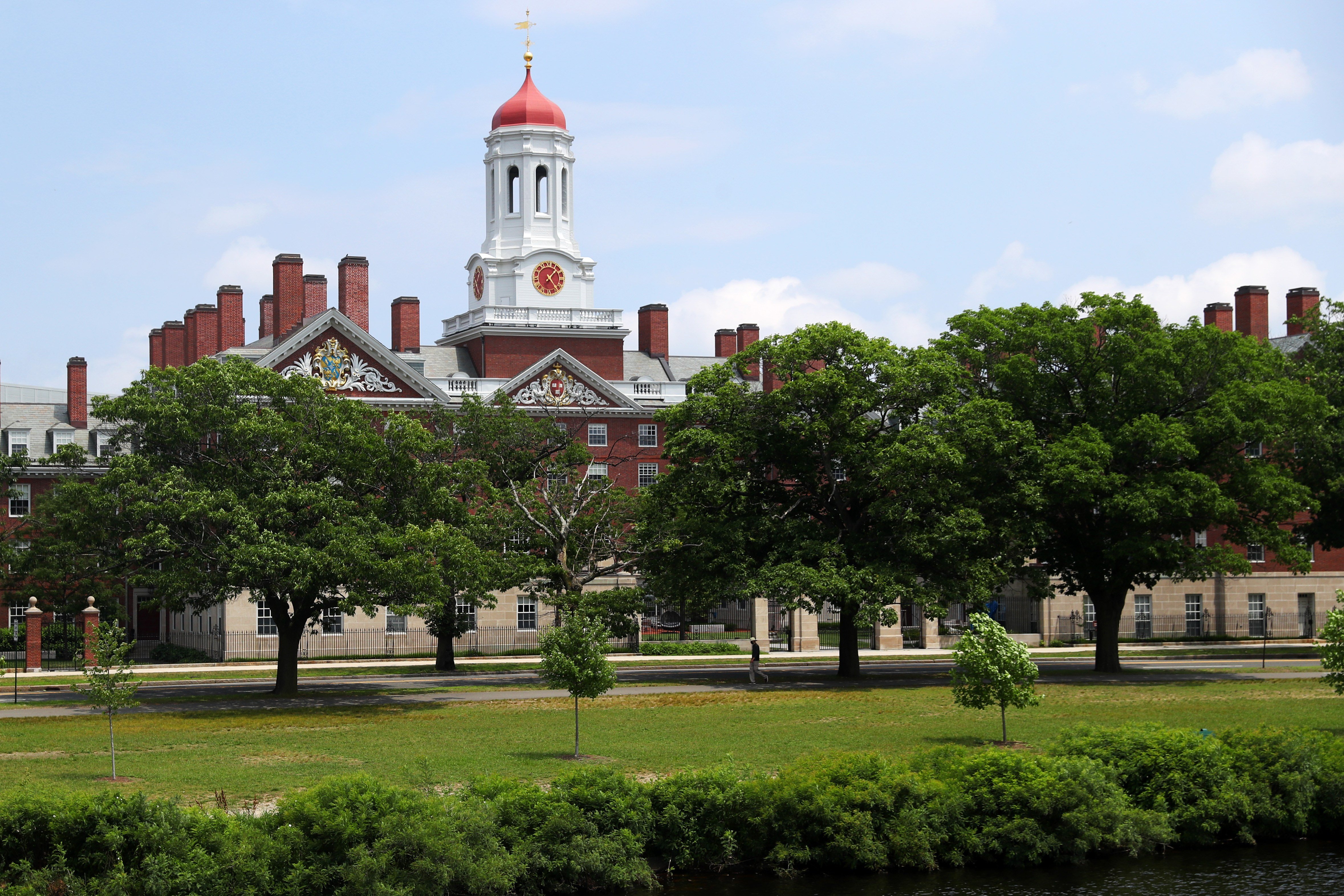
With at least 15 U.S. colleges now charging more than $100,000 a year, a leading education policy expert says the higher education market may be heading for a major correction.
Robert Pondiscio, a senior fellow at the American Enterprise Institute, told NewsNation's Hena Doba on "On Balance" that elite institutions like Harvard ($104,000) and Duke ($103,000) have long operated on the assumption that families will pay whatever is asked because of the perceived value of the degree. But that assumption may be cracking.
"I think it's within reason to think that we might start to really reckon whether or not the price is worth it or not," Pondiscio said.
Demographic and market pressures loom
Pondiscio pointed to declining birth rates as a looming stressor, predicting that universities will soon have to compete harder for a shrinking pool of students. Some industries, particularly tech, are increasingly questioning whether a degree from an elite institution carries the weight it once did, he added.
As colleges face these pressures, some are already adapting. For instance, shifts in admissions standards and cost-cutting measures are emerging. Pondiscio noted that some Michigan schools have begun offering three-year degrees to reduce costs.
Degree value still real, but not uniform
Despite the concerns, Pondiscio said a four-year degree still yields roughly $1 million in additional lifetime earnings compared to not having one. But he stressed that the specific field of study matters as much as the institution, drawing a clear line between STEM disciplines and majors that end in "studies."
His advice to high school seniors: still go to college, but be "a thoughtful consumer about the value of your education and the institution."
The debate over college value comes as the Education Department steps up enforcement on other fronts, and as AI raises new questions about the future of work and the skills a degree truly signals.
For families weighing the cost, the math may be changing. But for now, the earnings premium remains substantial, even as the market for higher education shows signs of strain.