President Donald Trump has appointed Meta CEO Mark Zuckerberg to his newly formed President's Council of Advisors on Science and Technology, a move that has ignited immediate condemnation from prominent figures within the former president's political base.
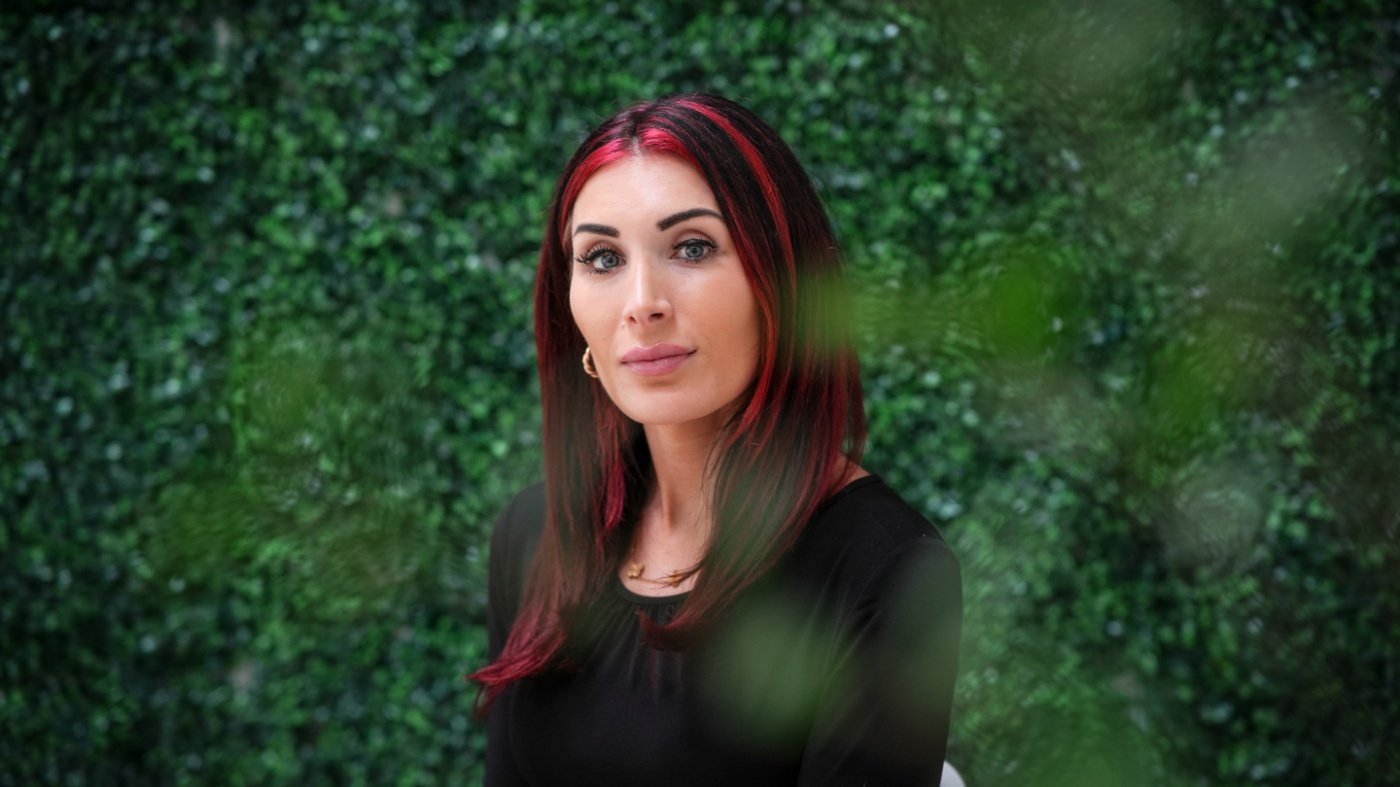
Conservative activist Laura Loomer, a staunch Trump supporter, publicly excoriated the decision on social media platform X. She characterized Zuckerberg's inclusion on the 13-member panel as a direct affront to the Make America Great Again movement. "We went from Zuckerberg for Prison to Zuckerberg now being appointed to President Trump's White House Tech panel. So much for accountability," Loomer wrote.
Her criticism centers on Meta's actions following the January 6 Capitol riot, when the company banned Trump from its Facebook and Instagram platforms. Loomer accused Zuckerberg of having "deplatformed President Trump, censored his supporters and then helped steal an election. What a slap in the face to MAGA." This sentiment reflects a persistent grievance among many conservatives who believe social media companies systematically suppressed pro-Trump content and narratives about the 2020 election.
The appointment marks a dramatic shift in the relationship between Trump and the tech executive. Trump has previously expressed significant disdain for Zuckerberg and Meta's leadership. However, the tech giant has since emerged as a notable ally within the industry. Zuckerberg attended Trump's inauguration last year, and Meta contributed $1 million to the inaugural fund, alongside other corporate giants like Amazon, Google, and Boeing.
According to the White House, the council's mandate is to provide the president with analysis and information needed to shape public policy concerning the U.S. economy, national and homeland security, employment, and related topics. Zuckerberg will serve alongside other tech and business luminaries including Marc Andreessen, Oracle's Larry Ellison, NVIDIA's Jensen Huang, and Google co-founder Sergey Brin.
Loomer's broadside highlights a growing tension within conservative circles between the pragmatic alliances sought by Trump's political operation and the demands for ideological purity from activist factions. This internal conflict mirrors other recent policy disputes, such as when GOP conservatives rejected a reconciliation path for the SAVE America Act, creating a standoff with Senate leadership.
The backlash also underscores how debates over technology, censorship, and election integrity continue to define intra-party dynamics. These issues remain legally contentious, with Supreme Court conservatives recently questioning the legality of post-election day ballot counting in a related case. For hardline activists, Zuckerberg's appointment is seen as legitimizing a figure they view as a political adversary.
This dynamic is not isolated to domestic tech policy. A similar insistence on confrontational stances is visible in foreign policy, where polls show young conservatives express the strongest support for military action against Iran, and at events like a pro-Trump Florida summit where activists demanded regime change in Cuba and Venezuela.
The White House has not publicly responded to Loomer's criticism. The controversy emerges as the Trump administration continues to staff key positions, including the recent move where Mark Mullin took the helm at DHS while a FEMA review council weighs deep staff and aid cuts. Zuckerberg's role on the advisory council will likely be watched closely, testing whether corporate collaboration can coexist with the grievances of a mobilized political base that feels betrayed by the very institutions now being brought into the fold.