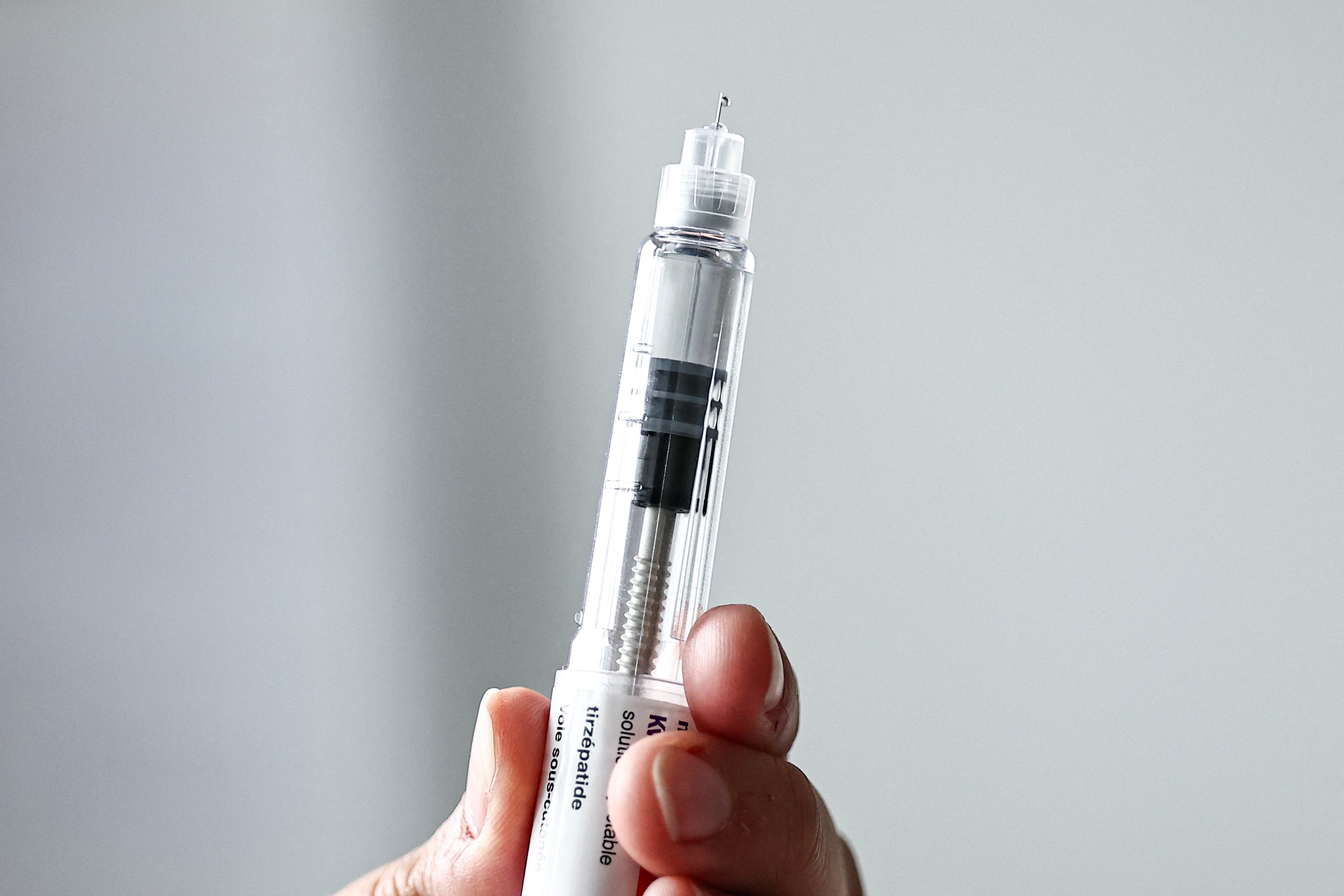
New research indicates that the GLP-1 medication tirzepatide may do more than just curb appetite—it could also rev up the body's metabolism by activating brown adipose tissue, a type of fat that burns calories to generate heat.
Presented at the Endocrine Society's ENDO 2026 meeting, the study, known as the TABFAT trial, explored whether tirzepatide—marketed as Zepbound and Mounjaro—alters how the body uses energy. Lead researcher Dr. Rok Herman of the University Medical Centre Ljubljana in Slovenia explained the study's focus: “Beyond eating less, does tirzepatide also change how the body burns energy—specifically through brown adipose tissue, a metabolically active type of fat that produces heat and consumes calories?”

Brown fat, distinct from the more common white fat that stores energy, is known to be more active in lean individuals and can be stimulated by cold exposure. The findings suggest that tirzepatide could mimic some of that effect, offering a dual pathway for weight management. This comes amid a surge of interest in GLP-1 drugs, which have already transformed obesity treatment. A recent major study highlighted that tirzepatide outperformed rivals in weight loss, underscoring its growing prominence.
Mechanism and Implications
The TABFAT trial used imaging to measure brown fat activity in participants before and after treatment. Results showed a significant increase in metabolic activity in brown fat deposits, suggesting the drug may enhance calorie burning independently of its well-known appetite suppression. This could help explain why some patients experience greater weight loss than expected from reduced food intake alone.
Beyond weight management, the activation of brown fat has broader health implications. It is linked to improved insulin sensitivity and better glucose metabolism, which could be beneficial for type 2 diabetes—a condition tirzepatide already treats. The drug's impact on energy expenditure might also play a role in long-term weight maintenance, a challenge for many after initial loss.
Political and policy discussions around obesity treatments have intensified as GLP-1 drugs gain popularity. The high cost of these medications has sparked debates over insurance coverage and government subsidies, especially as they are increasingly seen as tools for public health. Meanwhile, other research continues to explore unexpected connections, such as how hearing loss emerges as a key Alzheimer's risk factor, highlighting the complexity of metabolic and neurological health.
Broader Context in Obesity Care
The findings add to a growing body of evidence that GLP-1 drugs have effects beyond the gut-brain axis. Tirzepatide, which targets both GLP-1 and GIP receptors, may offer unique advantages over older drugs in this class. Researchers caution, however, that more studies are needed to confirm the long-term benefits and safety of brown fat activation.
Dr. Herman emphasized that the TABFAT trial is a step toward understanding how these medications work at a cellular level. “This could change how we think about obesity treatment,” he said. “It's not just about eating less—it's about how your body burns what you eat.”
As the pharmaceutical industry races to develop next-generation obesity drugs, the potential to combine appetite suppression with metabolic acceleration could reshape treatment paradigms. For now, tirzepatide remains a leading candidate, with ongoing trials exploring its full range of effects.