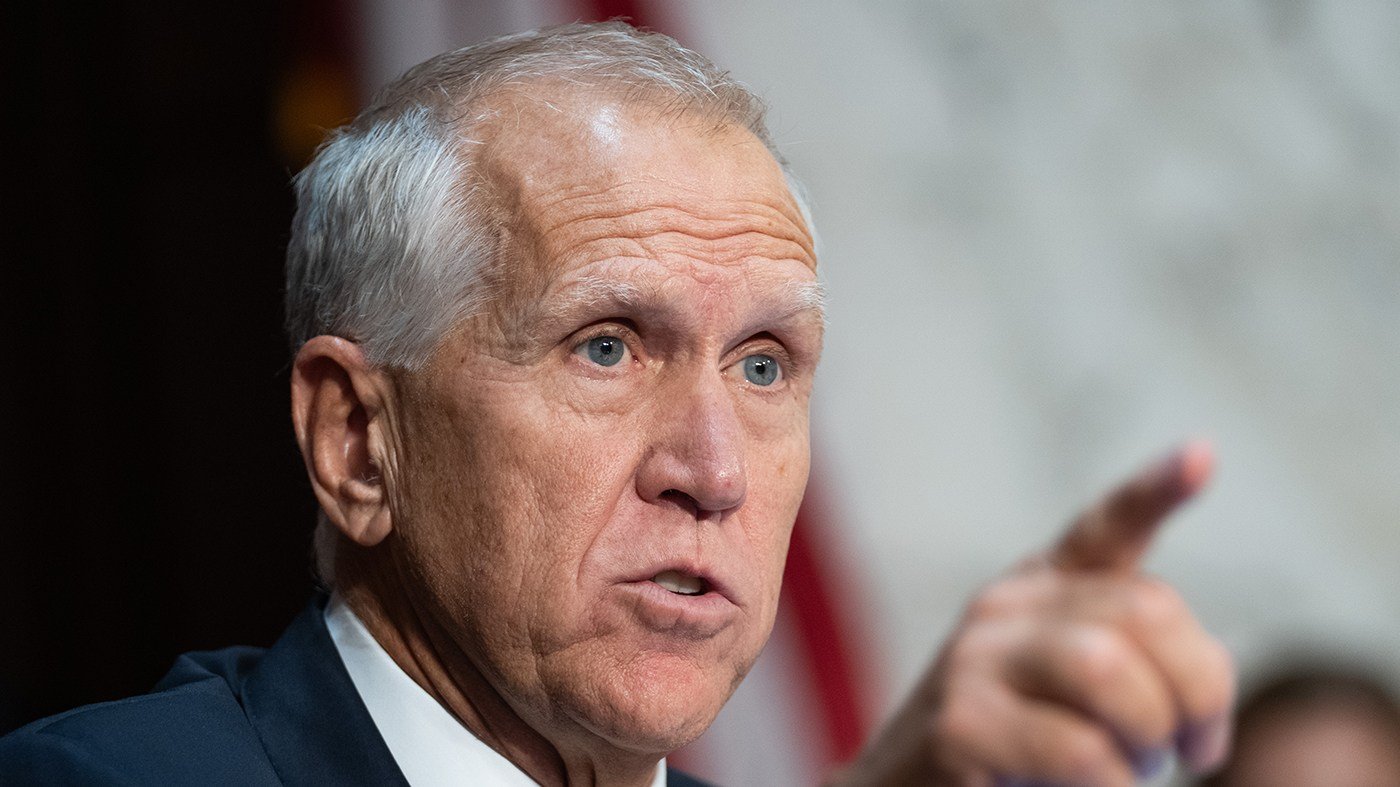
Sen. Thom Tillis (R-N.C.) on Thursday sharply condemned the Pentagon's decision to livestream the upcoming execution of convicted Fort Hood shooter Nidal Hasan, describing the move as "beyond disgusting" and a departure from American values.
"Hasan should face the death penalty, but making his execution public and streaming it? Beyond disgusting," Tillis wrote on social platform X. "Public executions are what oppressive dictatorships like Iran and Afghanistan do. It should not be happening in America."
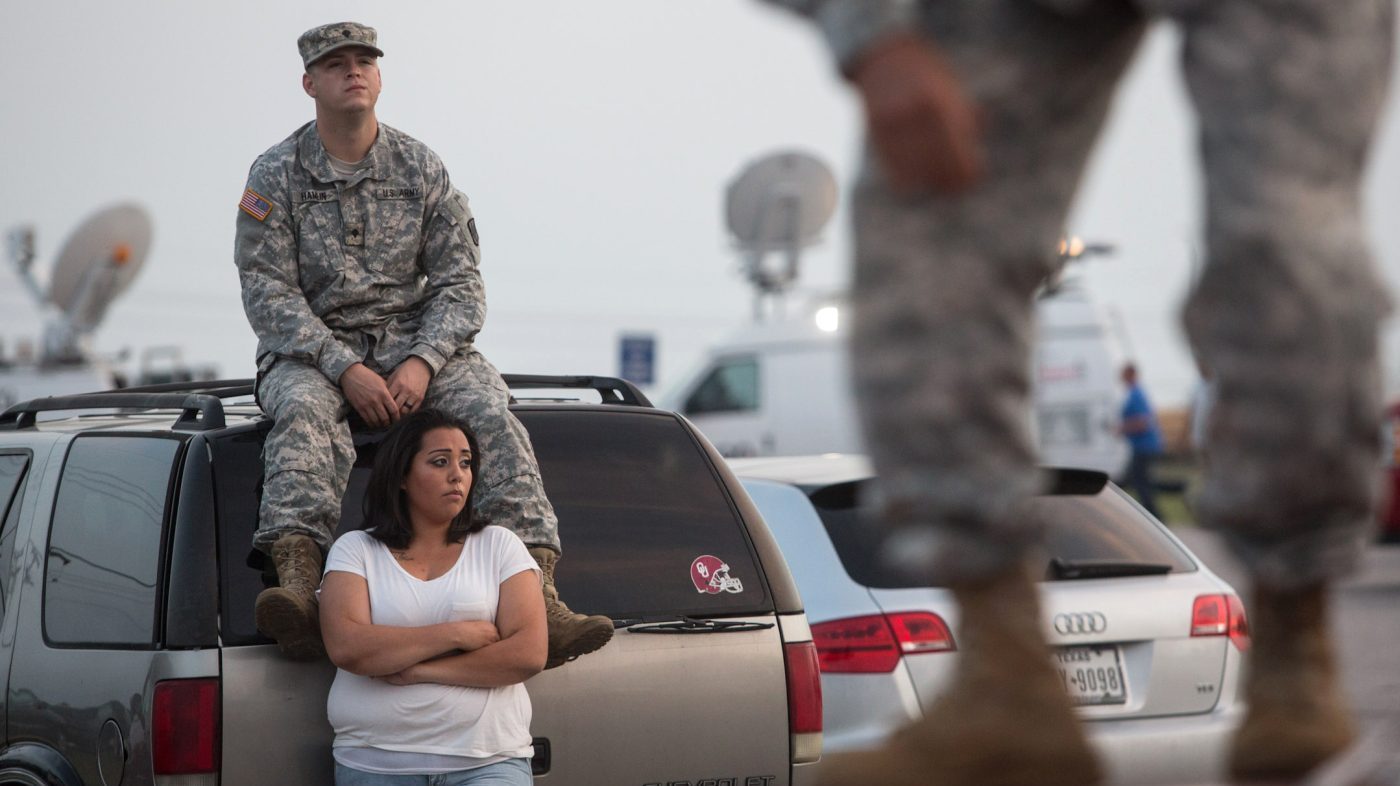
Hasan, a former Army psychiatrist, was convicted in 2013 of 45 counts of premeditated murder and attempted premeditated murder for the 2009 attack at Fort Hood, Texas, that killed 13 people. He was sentenced to death and is scheduled to be executed by firing squad on Dec. 3, according to the U.S. Army.
Defense Secretary Pete Hegseth announced Thursday that the execution would be open to the public, a first for a military execution in the modern era. "We'll make sure that people are able to watch it, that it's public, because people need to understand that there's serious consequences for these types of things," Hegseth said aboard the USS Abraham Lincoln in an interview with Real America's Voice.
The decision has drawn bipartisan criticism. Sen. Chris Murphy (D-Conn.) also called the livestream "disgusting" and questioned the comparison to extremist tactics. "What, is he mimicking ISIS executions? I mean, I understand that in this country we have the death penalty, but public execution is medieval," Murphy said on CNN's "OutFront." "That is just absolutely extraordinary, galling. No matter whether you support or oppose the death penalty, public hangings and executions? That's what America has become?"
The U.S. military's last execution was in 1961, and the last public execution in the United States occurred in 1936. Army regulations currently allow at least two media witnesses, but no execution has ever been broadcast live. The Pentagon's plan to livestream the firing squad marks an unprecedented departure from that practice.
Tillis, who has previously weighed in on Senate leadership matters and other national security issues, is not alone in questioning the optics. Legal experts and death penalty opponents have also raised concerns about the potential for the broadcast to be exploited by extremists or to desensitize the public to state-sanctioned violence.
The Army has set the execution date, and Hasan's case remains a somber reminder of the deadliest terrorist attack on U.S. soil before 9/11. Only four other individuals currently sit on the military's death row, according to the Death Penalty Information Center.
As the Dec. 3 date approaches, the debate over transparency versus dignity in capital punishment is likely to intensify. Tillis's sharp rebuke signals that even some Republicans who support the death penalty are uncomfortable with the spectacle of a livestreamed execution.