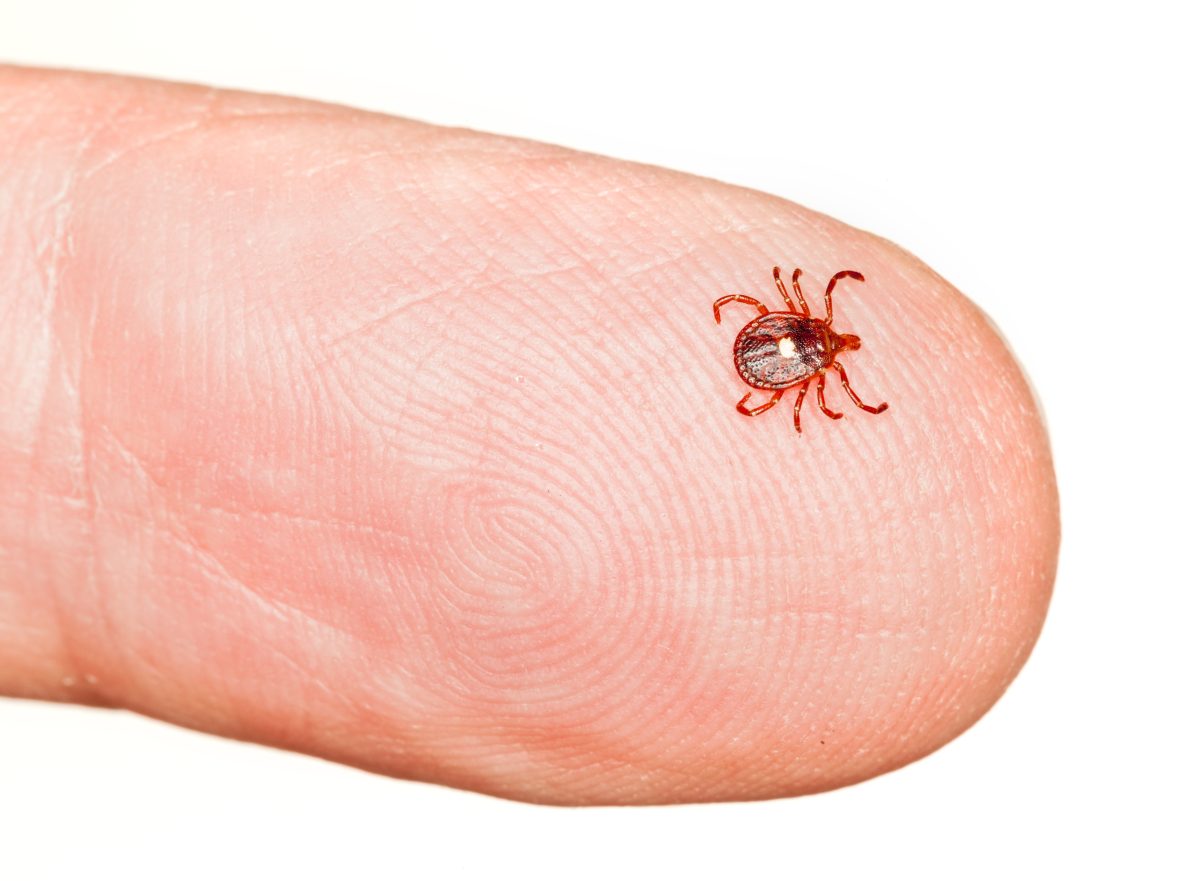
Emergency rooms across the United States are seeing a sharp rise in tick bite cases, with new CDC data revealing that April recorded the highest rate of such visits in nearly ten years. Experts are already cautioning that this could be a particularly severe season for the pests, which can transmit serious illnesses like Lyme disease and anaplasmosis.
The data, updated this week, shows that more than 100 out of every 100,000 emergency department visits in April were related to tick bites. That marks a 47% increase from the same period last year, when the rate stood at 68 per 100,000 visits. The Northeast is bearing the brunt, with an incident rate of 73 per 100,000—the highest in the nation. The Midwest follows at 53 per 100,000.

Health officials and entomologists have been warning for months that mild winters and wet springs have created ideal conditions for tick populations to explode. “We’re in for a very bad year,” one expert told Nexstar, reflecting a growing consensus among public health professionals. The surge is not just a nuisance; it carries real consequences for Americans’ health and healthcare system capacity.
For close watchers of public health policy, the spike underscores the need for better prevention and education. While most tick bites are harmless, certain symptoms demand immediate medical attention. These include a bullseye rash, fever, chills, muscle aches, and joint pain—especially in areas like the Northeast and Midwest where Lyme disease is endemic.
The timing of the surge coincides with other public health challenges. For instance, the recent WHO declaration of a global emergency over a rare Ebola variant highlights how vector-borne and infectious diseases continue to strain global health systems. Domestically, the tick bite spike adds pressure to already busy emergency departments.
Patients are advised to seek care if they develop symptoms after a tick bite, but experts caution that not all bites require a trip to the ER. Simple removal with tweezers and cleaning the area is often sufficient if no symptoms appear. However, the high rate of visits suggests many Americans are erring on the side of caution, which can be appropriate given the risks.
The CDC data also reveals regional disparities. The Northeast’s rate of 73 per 100,000 is more than double the national average, reflecting the region’s dense tick populations and high Lyme disease incidence. The Midwest, with a rate of 53, also faces significant risks, though slightly lower. Southern and Western states report lower rates, but experts warn that climate change could shift tick habitats northward and expand their range.
For policymakers, the data is a call to action. Investing in public education campaigns, expanding surveillance programs, and funding research into tick-borne diseases could help mitigate the impact. Meanwhile, individuals can take steps to protect themselves, such as using EPA-approved repellents, wearing long sleeves and pants in wooded areas, and performing tick checks after outdoor activities.
As the season progresses, the number of tick-related emergency visits could climb further. The CDC continues to monitor the situation, and health officials urge the public to stay informed. For now, the message is clear: tick bites are on the rise, and knowing when to seek care is critical.