The American dream of owning a home with a yard and a picket fence may still be achievable, but the once-common milestone of paying off a mortgage entirely feels increasingly out of reach for many. Recent data from the U.S. Census Bureau shows roughly 84.2 million owner-occupied homes nationwide, yet one longstanding tradition tied to homeownership has quietly faded from view.
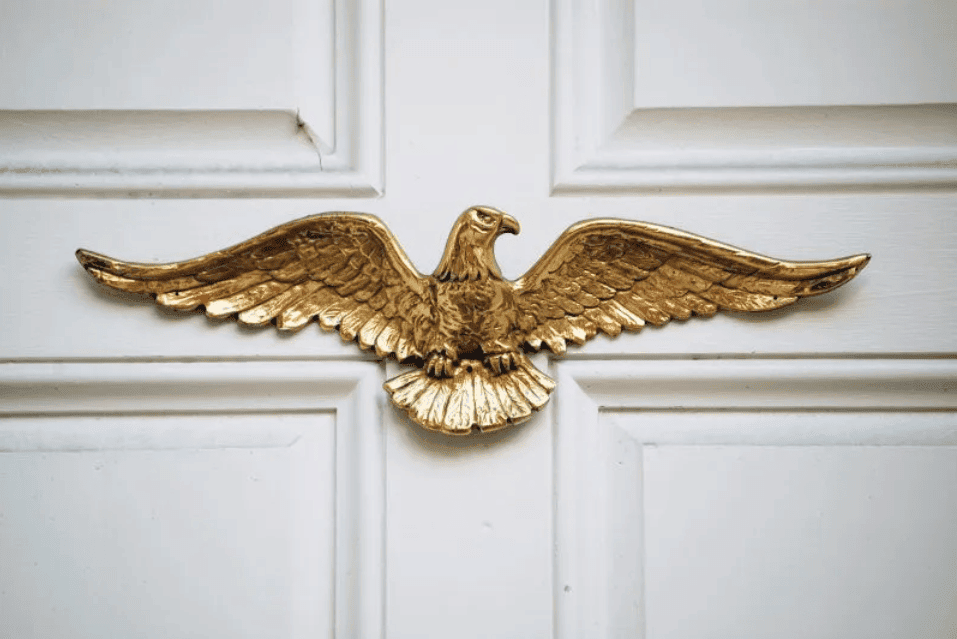
If you stroll through older neighborhoods or own a home built decades ago, you might spot a metal eagle affixed to the exterior. These plaques, often painted gold or black, are more than just patriotic decor—they once signaled a significant financial achievement: a fully paid-off mortgage.

The History Behind the Eagle Plaques
The tradition dates back to the early 20th century, when homeowners who had cleared their mortgage debt would proudly display an eagle plaque. The eagle, a symbol of American freedom and fiscal independence, served as a public declaration that the property was owned free and clear. It was a badge of honor in an era when homeownership was a central pillar of the American dream.
Today, the practice is largely a relic. With rising home prices, stagnant wages, and longer mortgage terms, fewer homeowners reach that milestone. According to recent Census data, roughly 40% of owner-occupied homes are mortgage-free—down from higher rates in previous decades. For those who do pay off their homes, the eagle plaque remains an option, but it’s no longer a widespread custom.
Who Qualifies for an Eagle Plaque?
There is no official government program or standard qualification for these plaques. They are typically purchased privately by homeowners or given as gifts by family members to celebrate a mortgage payoff. Some local historical societies or veteran organizations have revived the tradition, offering plaques to homeowners who have completed their mortgage payments. However, eligibility is entirely voluntary and not tied to any federal or state recognition.
In recent years, the symbolism has also been adopted by groups honoring military service or civic achievement. For instance, the USPS bald eagle stamp series highlights the bird’s national significance, though it’s not directly linked to homeownership. Similarly, proposals for a National Garden of American Heroes have included eagle motifs, but these are separate from the residential plaque tradition.
Why the Tradition Is Fading
Economic shifts explain much of the decline. The 2008 housing crisis and subsequent tightening of lending standards made mortgage payoff less common. Many homeowners now carry 30-year loans, refinance frequently, or move before paying off their mortgage. Younger generations, burdened by student debt and higher living costs, are less likely to experience a mortgage-free home at all.
Cultural changes also play a role. The eagle plaque’s overt patriotism may feel dated to some, while others simply don’t know the tradition exists. Yet for those who do achieve mortgage freedom, the plaque remains a powerful symbol—a small, enduring reminder of a once-common American milestone.
As housing policy debates continue—such as tightening “Buy American” rules or trade negotiations affecting household finances—the eagle plaque stands as a quiet testament to a bygone era of financial security. Whether it will see a revival depends on broader economic trends and the enduring appeal of the American dream.