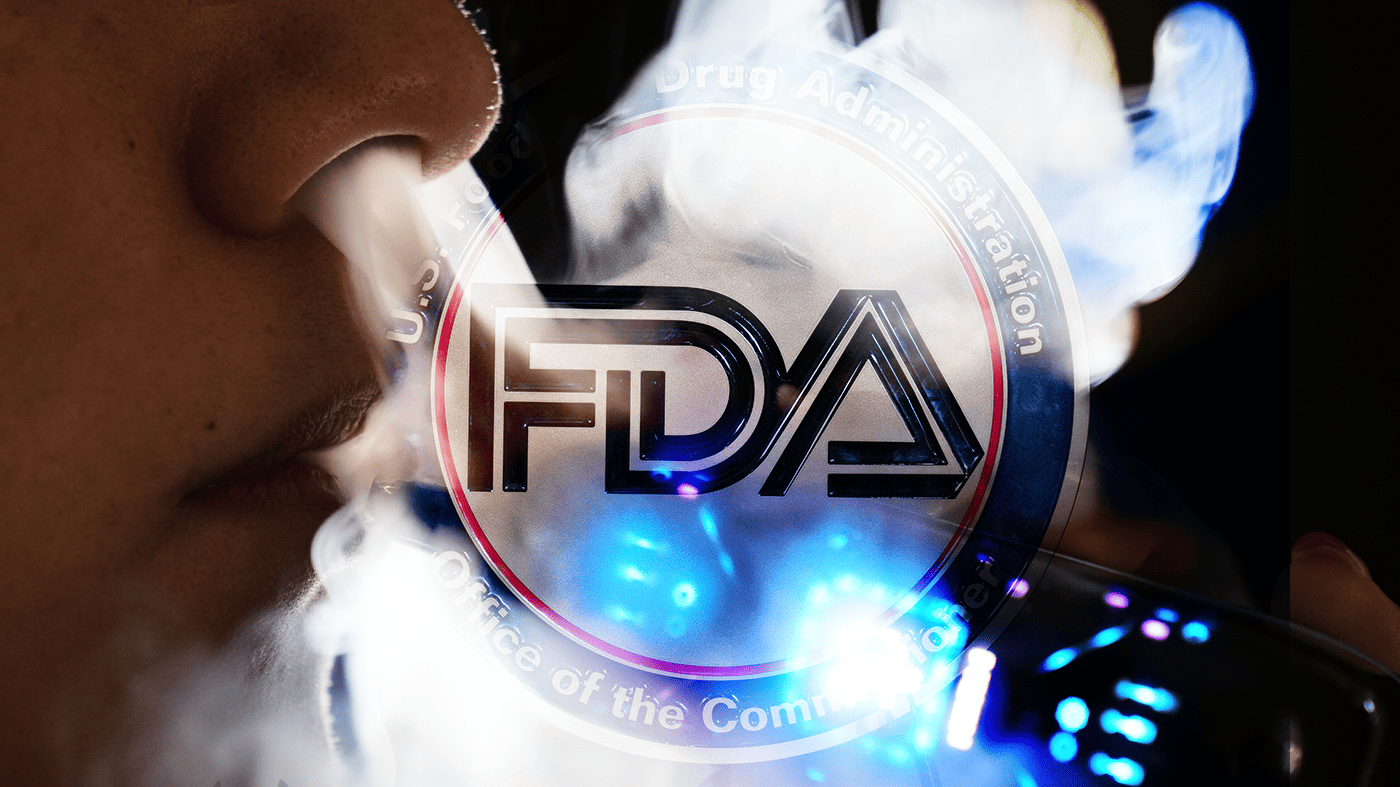
The Trump administration has executed a dramatic reversal on vaping policy, dismantling regulatory guardrails that had constrained the industry for nearly a decade. In a span of just two weeks, the administration approved four flavored vaping products for sale and released new guidance that effectively allows unauthorized vapes to stay on the market without penalty.
The Food and Drug Administration's latest guidance sidesteps its own scientific review process, potentially enabling tobacco companies to market flavored e-cigarettes and nicotine pouches that have not received agency authorization. Currently, any such product on the market is illegal, but the FDA faces a massive backlog of applications. The guidance states the agency plans to let these products remain while it reallocates enforcement resources, citing a goal of supporting the development of "potentially less harmful tobacco products."

The approval of four products from Glas Inc. was justified by similar harm-reduction logic, with the FDA pointing to age-restriction technology—requiring government-issued IDs and smartphone Bluetooth connections—that aims to curb youth uptake. Critics argue this move undercuts decades of public health efforts.
These actions coincide with the departure of former FDA Commissioner Marty Makary, whose resignation was tied to his opposition to approving new vaping products, according to sources. Brian King, former director of the FDA's Center for Tobacco Products, described the situation as a "regulatory reckoning," noting that political interference has compromised evidence-based regulation. "Political interference is the death knell of evidence-based regulation," King warned.
Mitch Zeller, another former CTP director, called the guidance a "get out of jail free card for illegal products" and a "huge gift to the industry" that contradicts federal law. He said the agency has been "whipsawed in all different directions" and subjected to unprecedented political pressure, as seen in the Trump-Makary rift.
The pivot marks a stark departure from Trump's first term, when officials moved to ban nontobacco flavored e-cigarettes in 2019, with Trump stating, "We can't allow people to get sick and allow our youth to be so affected." The tobacco industry had courted Trump during the 2024 campaign, with RAI Services Co.—a Reynolds American subsidiary behind brands like Newport and Camel—donating over $10 million to his reelection effort. Trump later vowed to "save vaping."
The issue also played a role in the resignation of Rich Danker, chief spokesperson for HHS Secretary Robert F. Kennedy Jr., who wrote in his resignation letter that senior HHS officials sought FDA approval of "cigarette flavors that would appeal to children." Danker condemned the move as exposing youth to nicotine addiction and cancer risks.
Youth vaping rates have declined, with the FDA reporting a drop from 2.13 million middle and high school users in 2023 to 1.63 million in 2024. But health advocates remain alarmed. Ranjana Caple of the American Lung Association said, "The timing of this guidance raises serious concerns about priorities and commitment to protecting kids." She accused the FDA of "waving the white flag" and normalizing illicit products.
The administration's policy shift has sparked broader concerns about its impact on public health and regulatory independence. As the FDA prioritizes industry interests, the long-term consequences for youth and evidence-based policy remain uncertain.
For more on the administration's evolving trade and foreign policy, see our coverage on Trump's $17 billion annual Chinese farm purchases deal and the Iran nuclear standoff.