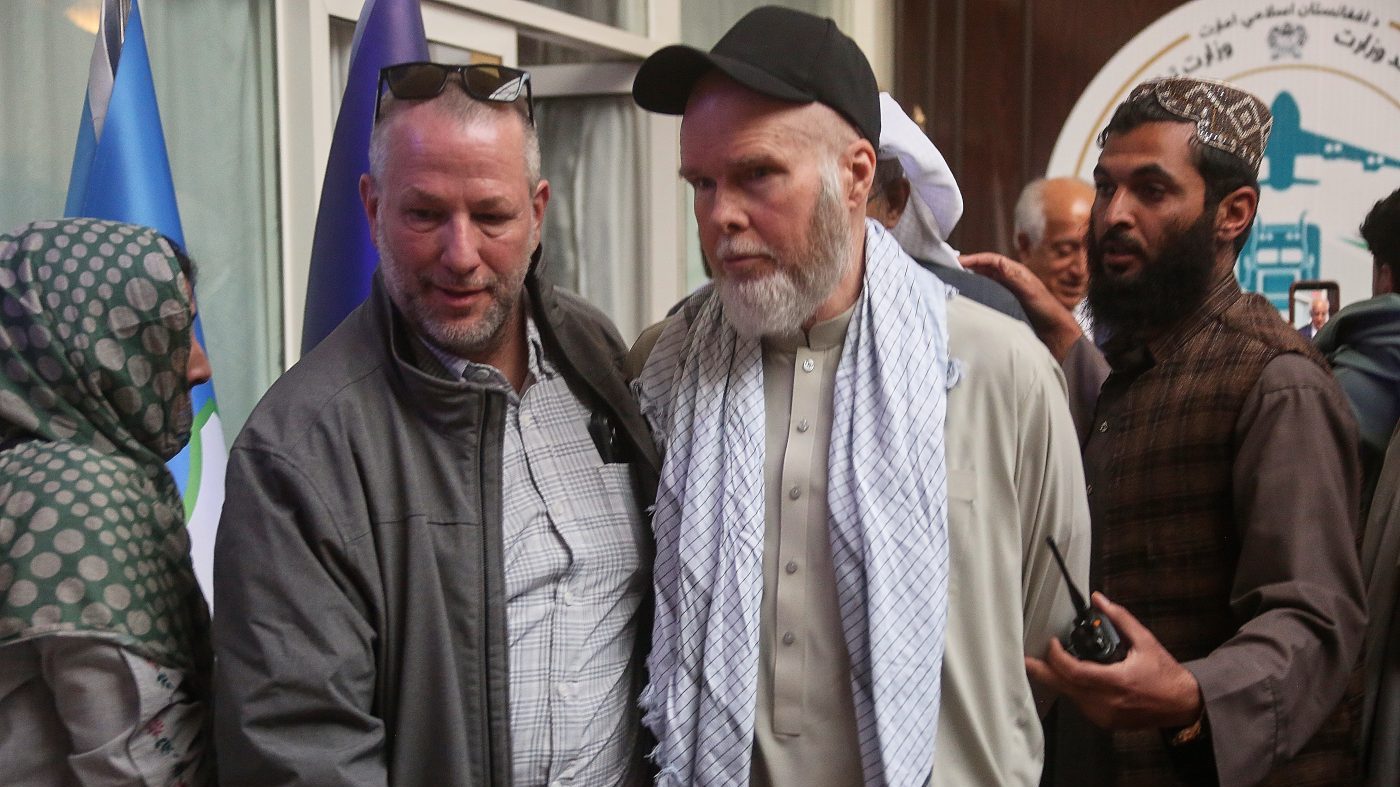
The Taliban-led government in Afghanistan released American researcher Dennis Coyle on Tuesday, ending an imprisonment that began in January 2025. The move followed concerted pressure from the Trump administration and a direct appeal from Coyle's family during the Eid al-Fitr holiday.
Release Follows Diplomatic Designation and Family Plea
Secretary of State Marco Rubio had recently designated Afghanistan as a 'state sponsor of wrongful detention,' explicitly calling for Coyle's freedom. The State Department had formally declared Coyle wrongfully detained last June. His release came after his family petitioned the Taliban for clemency on humanitarian grounds during the Muslim holiday marking the end of Ramadan.
In a statement, Afghanistan's Ministry of Foreign Affairs said the decision was made 'on the basis of humanitarian compassion and goodwill,' noting the Supreme Court deemed his prior imprisonment sufficient. Coyle was handed over to his family in Kabul. The ministry claimed he was 'detained for violating the enforced laws of Afghanistan' but provided no specifics about the alleged violations. His family maintains he was never formally charged with any crime.
Administration Claims Success, Criticizes 'Hostage Diplomacy'
Secretary Rubio celebrated the release in a statement, crediting the Trump administration's focus on ending unjust detentions abroad. 'President Trump is committed to ending unjust detentions overseas – Dennis joins over 100 Americans who have been freed in the past 15 months under his second term in office,' Rubio said. He thanked the United Arab Emirates and Qatar for their roles in facilitating the release.
However, Rubio also issued a sharp rebuke to the Taliban regime, urging it to 'end their practice of hostage diplomacy.' He characterized the release as a 'positive step' but emphasized that 'more work needs to be done,' pointing to two other Americans still detained: Mahmood Habibi, abducted in Kabul in 2022, and author Paul Overby, missing since 2014. The State Department offers $5 million rewards for information leading to their recovery.
Broader Context of U.S. Adversaries and Regional Strategy
Coyle's detention and release occur against a backdrop of increasing challenges to U.S. interests from adversarial states. The episode highlights the complex diplomatic terrain the U.S. navigates, particularly with regimes that engage in coordinated pressure against American strategic resolve. The Taliban's actions mirror tactics used by other state actors who leverage detainees for diplomatic leverage.
The situation in Afghanistan remains a critical foreign policy issue, intersecting with regional security concerns. Experts warn that instability can create vacuums exploited by other powers, with potential implications for global energy security. Former officials like James Mattis have long cautioned that a diminished U.S. posture could cede influence, potentially handing control of critical strategic chokepoints to rivals like Iran.
Public perception of U.S. foreign policy effectiveness is also under scrutiny. A recent poll indicates a majority of Americans view the U.S. position in the Iran conflict as deteriorating, reflecting broader concerns about Washington's ability to manage multiple global crises and secure the release of its citizens.
Coyle's family expressed being 'overjoyed' at his release. The case underscores the persistent risks for American citizens in regions under de facto control of groups with adversarial relationships with Washington, and the intricate, often protracted, diplomatic efforts required to secure their freedom.