Former national security adviser Susan Rice launched a blistering critique of President Trump's memorandum of understanding (MOU) with Iran, calling the 14-point agreement a dangerously weak deal that leaves the United States in a worse position than before the conflict.
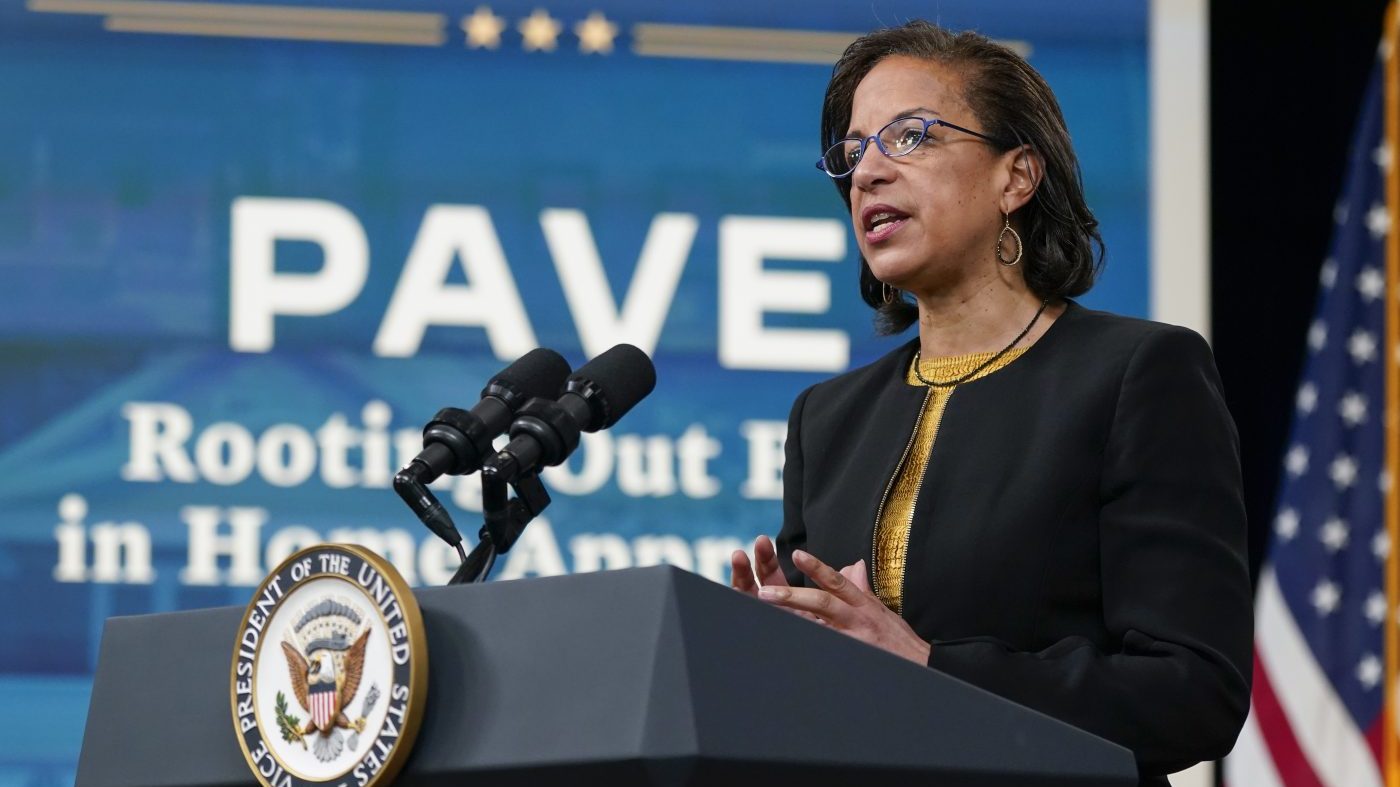
In an interview Sunday on ABC News's This Week, Rice told host Jonathan Karl that the MOU was “egregious” because it handed over key concessions before any comprehensive nuclear agreement was secured. “So many concessions were granted upfront in this flimsy two-page memorandum of understanding that wouldn't normally and shouldn't have been granted until after there was not only a fully comprehensive deal to at least deal with their nuclear program,” she said.

Rice, who served under Presidents Bill Clinton and Barack Obama, had earlier described the MOU as “a jaw-dropping, horrific surrender document complete with hundreds of billions in reparations.” Her comments reflect growing frustration among Democrats and even some Republicans over the deal, particularly its inclusion of a $300 billion reconstruction fund for Iran.
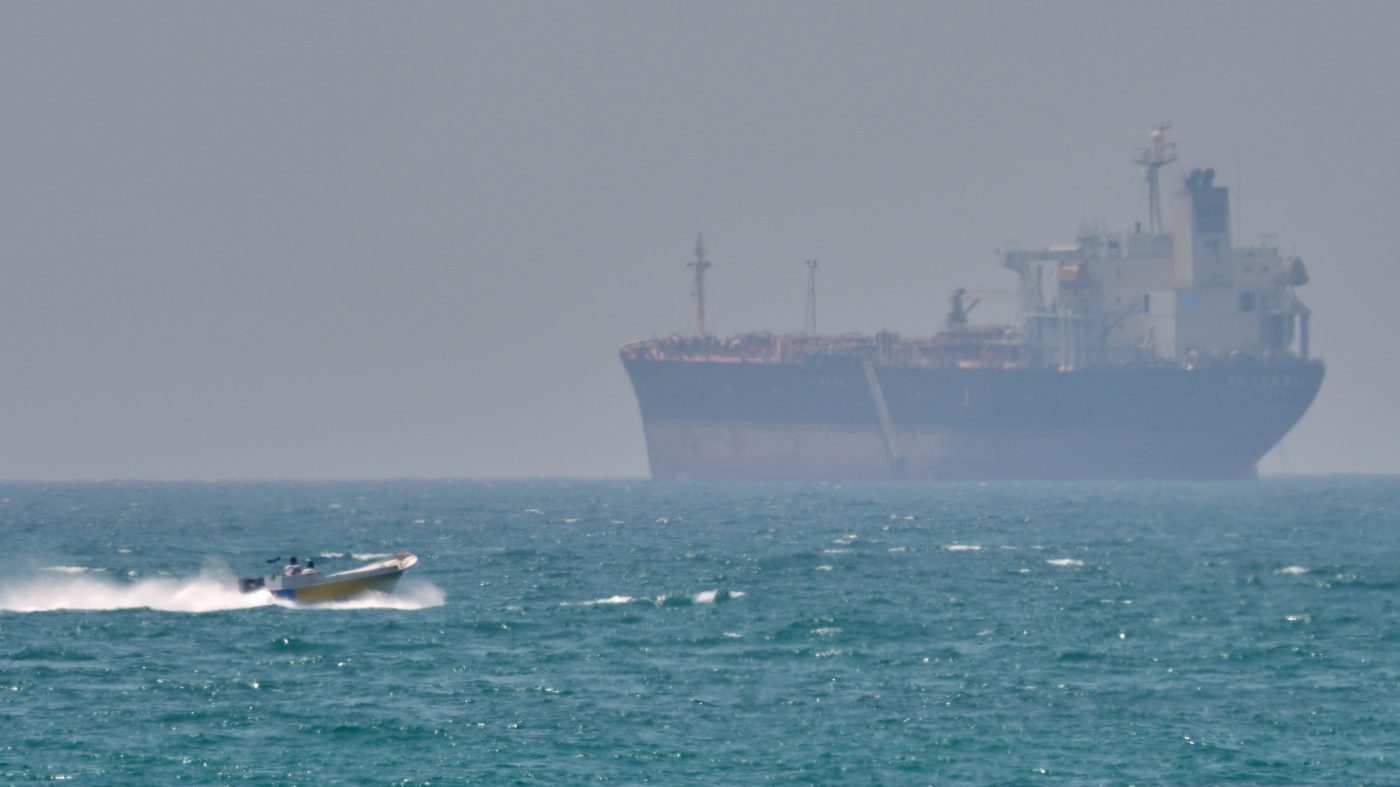
The MOU, finalized Wednesday, aims to end months of hostilities between the US and Iran and reopen the strategic Strait of Hormuz, a critical waterway for global oil shipments. It also lifts oil sanctions on Tehran and sets a 60-day timeline for technical talks on Iran's nuclear program. But critics argue the agreement rewards Iranian aggression without ensuring long-term compliance.
Rice took particular issue with the administration's handling of the Strait of Hormuz, through which about a quarter of the world's oil passes. “Iran has now figured out they can use the Strait of Hormuz to hold us and the global economy hostage anytime they want,” she said, noting that Tehran has already signaled it could close the strait amid renewed fighting between Israel and Hezbollah in Lebanon.
The Trump administration, however, maintains that the MOU is a necessary step to de-escalate tensions. Energy Secretary Chris Wright told Karl that the return of normal shipping flows through the strait, without Iranian cooperation, gave Trump leverage to bring Tehran to the negotiating table. “That's the leverage President Trump used to get the Iranians to come to the table and realize they're going to lose all the cards in their hand,” Wright said.
Rice acknowledged that ending the war was important but argued the MOU leaves the US strategically weakened. “This is a very bad outcome,” she said. “I obviously think we shouldn't have been in this war in the first place, because it was obvious for decades that the only way to resolve this problem is through diplomacy. And now we're back to diplomacy with a far weaker hand.”
The deal has also stirred debate over its economic implications. Critics point to the $300 billion reconstruction fund as a massive giveaway, while supporters argue it is necessary to stabilize Iran and prevent further conflict. For a deeper look at how the deal affects oil markets and inflation, see our analysis of price pressures beyond the Iran deal.
Rice's sharp criticism echoes broader concerns among foreign policy veterans that the MOU could embolden Iran and undermine US credibility. The administration's decision to open Iran's oil exports has already sparked fury among hawks, as detailed in this report on the backlash.
As the 60-day nuclear talks approach, the political fallout from the MOU is likely to intensify, with Democrats and some Republicans demanding greater transparency and tougher conditions. For now, Rice's warning stands as a stark reminder of the risks inherent in the Trump administration's approach to Iran.