President Trump's peace agreement with Iran includes a significant concession: waiving U.S. sanctions on Iranian oil exports. This move, part of a broader memorandum of understanding, has drawn sharp criticism from Iran hawks, including some of Trump's own allies, who argue it hands Tehran a financial lifeline without securing key nuclear concessions.
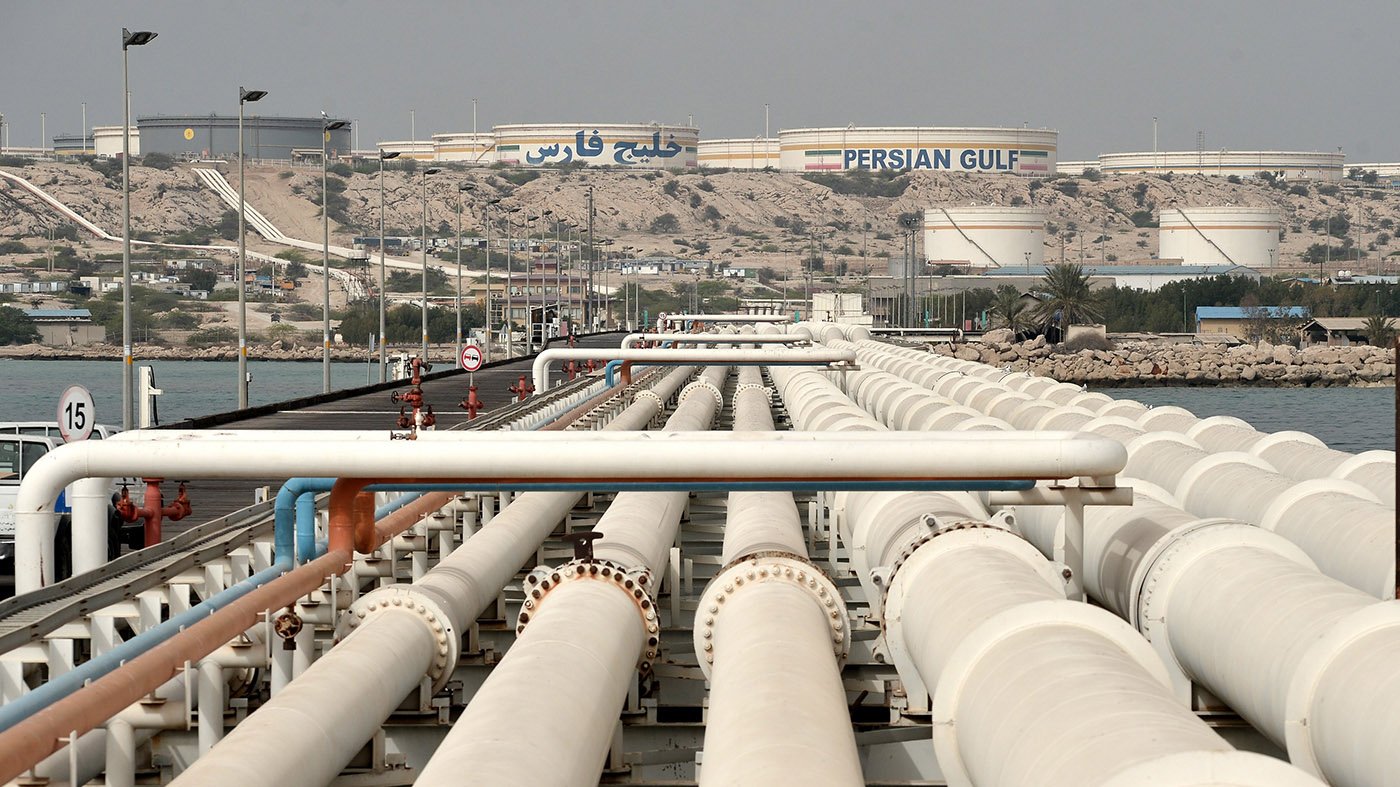
The 60-day ceasefire deal, signed this week, mandates the Treasury Department to immediately lift sanctions on Iranian crude oil, petroleum products, and related services. Iran, home to some of the world's largest proven oil reserves, has seen its exports severely limited by U.S. sanctions in recent years, with China emerging as its primary buyer.
“The initial waiving of sanctions should mean that Iran can sell its oil to a lot more than just China,” said Clay Seigle, a nonresident scholar in energy security at the Center for Strategic and International Studies. He noted that before sanctions, Iran sold oil to numerous countries, and the deal could allow Tehran to command higher prices if competition among buyers increases.
Gulf Oil chief oil analyst Tom Kloza described the deal as a major win for Iran. “The amount of money that's going to be at their disposal to rebuild is pretty staggering,” he said, highlighting the potential economic boost for the Islamic Republic.
Critics, however, see the sanctions relief as a dangerous giveaway. Patrick Clawson, director of the Viterbi Program on Iran and U.S. Policy at the Washington Institute, called it “a considerable boon to not just Iran, but to the Iranian government, and in particular to the national security apparatus.” He added that this appears to be the only immediate concession Iran received in the deal.
Miad Maleki, a senior fellow at the Foundation for Defense of Democracies, argued that the Trump administration is “trading away its most durable economic lever before the hard part of the negotiation has even started.” He warned on social media that normalizing Iranian oil flows to China, India, and the UAE would make it nearly impossible to reimpose effective sanctions later.
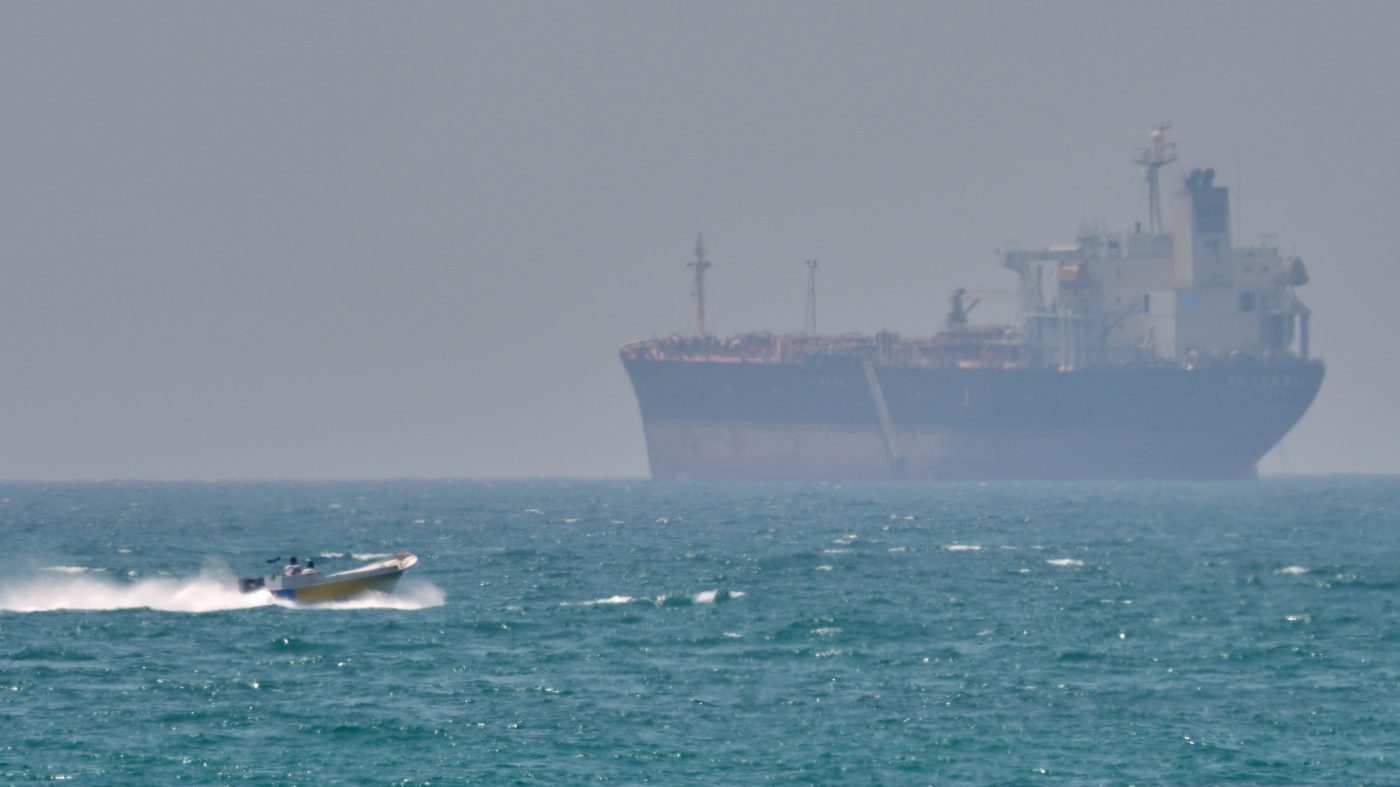
The deal also includes conditional provisions for unfreezing Iranian assets and terminating other sanctions, tied to Iran's compliance with agreed terms. But detractors say the upfront relief undermines U.S. leverage. The reopening of the Strait of Hormuz, a key waterway for global energy shipments, has been a central element, though critics note it was open before the conflict. Tensions linger on the water despite the reopening.
Sen. Bill Cassidy (R-La.) voiced strong opposition on social media, invoking Ronald Reagan: “Reagan is rolling over in his grave.” He added, “Before the war, the strait was open, Iran was being crushed by sanctions, and 13 service members were still alive. Now, 13 Americans are dead, families have paid billions at the pump, sanctions will be lifted, and the bombing has stopped. This is the worst foreign policy blunder in decades.”
Trump defended the deal, arguing that Iran must now “be good” and “behave.” He said prior sanctions would have left Iran in poverty and that the U.S. retains leverage because relief is contingent on behavior. Vice President Vance echoed that view, downplaying the concession. “What prevented them from selling oil was not the sanctions; they were selling plenty of oil without any discount, because the sanctions were just fundamentally ineffective at that point,” Vance told reporters. He argued the deal brings Iranian financial transactions into the open, benefiting the U.S.
Despite the administration's defense, the deal has deepened divisions. Critics like Amir Handjani of the Quincy Institute argue it reflects a strategic loss. “There are consequences to losing wars,” he said, noting that the original war goals—regime change, handing over enriched uranium, and eliminating missiles and drones—remain unmet. The deal, he said, grants sanctions relief for reopening a strait that was already open.