At least seven states have now reported cyberattacks on their water and wastewater systems to the FBI, according to federal and state officials. The attacks have forced some utilities to temporarily shut down operations, though authorities emphasize that drinking water quality has not been compromised.
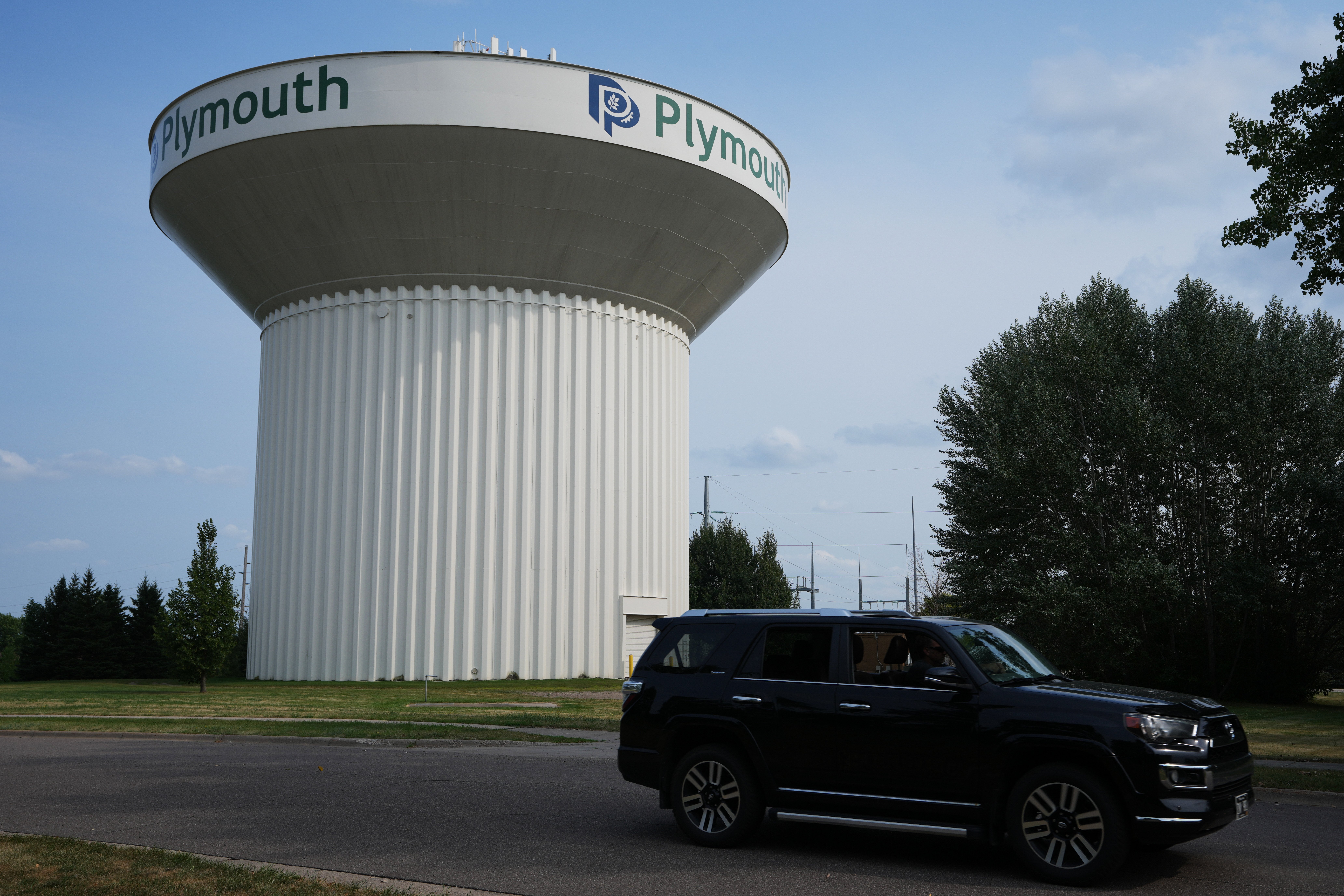
The FBI has not released a full list of affected states, but Minnesota has confirmed that more than 30 water systems in the state were targeted, including the city of Plymouth, a suburb of Minneapolis with a population of nearly 80,000. In some cases, systems had to be taken offline to prevent further damage.
Scope of the Attacks
The attacks appear to be coordinated, with a focus on smaller municipal water utilities that may have weaker cybersecurity defenses. Federal investigators are working with state and local officials to assess the extent of the intrusions and to determine whether any sensitive operational data was accessed.
While the FBI has not officially attributed the attacks to a specific actor, cybersecurity experts have pointed to Iran as a likely culprit. An expert told The World Signal that the methods used in the Minnesota attacks are consistent with Iranian state-sponsored hacking groups, which have previously targeted U.S. critical infrastructure. This aligns with recent assessments from security researchers.
Political Fallout
The attacks have quickly become a political flashpoint. Former President Donald Trump has blamed Minnesota state officials for the breaches, suggesting that their policies left the systems vulnerable. In a statement, he claimed that "weak leadership" in the state allowed the attacks to happen, a claim that state officials have strongly denied.
Governors from several affected states have called for increased federal support for water utility cybersecurity, arguing that many small systems lack the resources to defend against sophisticated state-sponsored threats. The White House has not yet announced a comprehensive response, but the Department of Homeland Security is reportedly reviewing the incidents.
Broader Implications
The attacks come amid growing concerns about the security of U.S. critical infrastructure. Water systems are particularly vulnerable because they are often run by local utilities with limited budgets for cybersecurity. This incident has renewed calls for stricter federal regulations on water system security, a topic that has been debated in Congress for years.
Some lawmakers are pushing for legislation that would require water utilities to meet minimum cybersecurity standards, while others argue that such mandates would be too costly for small communities. The debate is likely to intensify as more details emerge about the attacks.
In the meantime, the FBI is urging all water and wastewater utilities to review their security protocols and report any suspicious activity. The agency has also offered technical assistance to affected systems.
For now, officials stress that the public should not be alarmed about the safety of their tap water. "We have no evidence that any contaminants were introduced into the water supply," said a spokesperson for the Minnesota Department of Health. "The systems that were taken offline were shut down as a precaution, and water quality remains safe."
As the investigation continues, the attacks are likely to become a major topic in the upcoming political debates over national security and infrastructure spending. The incident has already drawn comparisons to previous cyberattacks on U.S. utilities, and experts warn that more attacks may be on the way.