Military-Installed Leader Proclaims Triumph Amid Ongoing Conflict
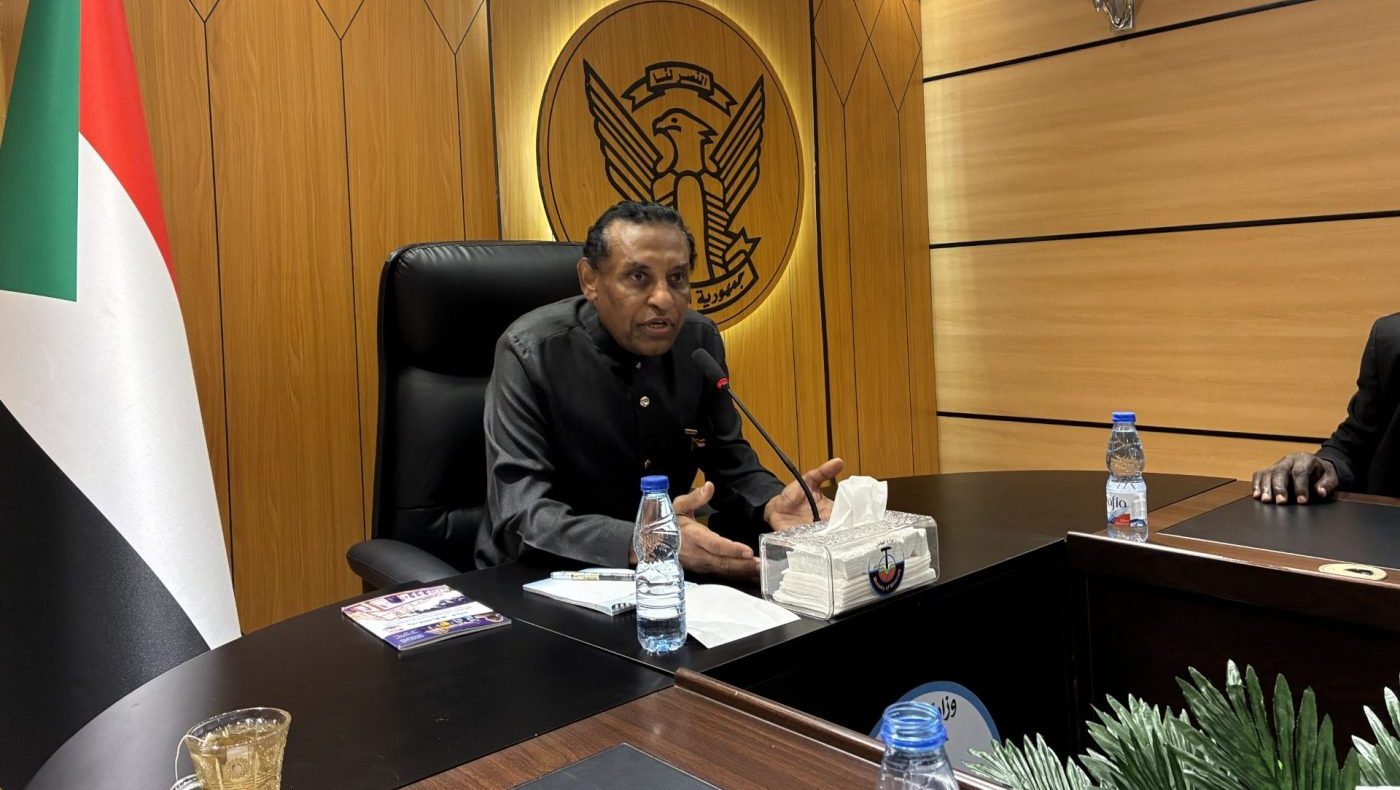
In a makeshift briefing room within a government ministry building, Sudan's prime minister, Kamil Idris, asserted last week that the Sudanese Armed Forces (SAF) have won the nation's protracted civil war. The declaration comes one year after the army retook the capital, Khartoum, from the paramilitary Rapid Support Forces (RSF) in fierce fighting that left the city heavily damaged. Idris, a former head of a UN agency appointed by army chief General Abdel-Fattah Burhan in May 2025, presented the recapture as a decisive symbolic victory, despite the RSF maintaining control over roughly a quarter of the country.
A Fractured Nation and Distant Peace
The three-year conflict has created the world's largest humanitarian crisis, with approximately 25 million Sudanese in need of urgent aid. Society remains deeply traumatized by widespread atrocities, including genocide, sexual violence, and mass displacement. While Prime Minister Idris expressed hope that 2026 would be "the year of peace for Sudan," he emphasized any resolution must not compromise national sovereignty. The front lines remain fluid, with the RSF operating a parallel administration from Nyala in South Darfur.
International Mediation and Trump's Role
The prime minister explicitly placed hopes for a settlement on former U.S. President Donald Trump, who made a brief push for a ceasefire in 2024 at the request of Saudi Arabia's crown prince. Trump attempted to leverage the "Quad" format—comprising the U.S., Saudi Arabia, Egypt, and the United Arab Emirates—to pressure the warring Sudanese generals into a truce. "We still count on this expression of goodwill by President Trump, to work closely with Sudan, in order to establish durable peace inside the country," Idris stated. This reliance on Trump comes as the former president's political activities, such as his focus on religious messaging and the Iran conflict, continue to shape his public agenda.
However, U.S. mediation faces profound skepticism within the SAF. Some officials openly accuse Trump's lead negotiator, Massad Bolous, of bias toward the UAE, the RSF's primary international backer. Amgad Fareid Eltayeb, a diplomatic advisor to General Burhan, challenged U.S. officials to visit Sudan and see the situation firsthand, criticizing Washington for levying allegations from afar. The Trump administration has imposed sanctions on several SAF-linked figures and entities, labeling them as Islamist actors with ties to Iran.
Allegations and Reconstruction Challenges
The government faces serious international accusations, including from the U.S. State Department, that the SAF used chemical weapons against the RSF in 2024. Prime Minister Idris denied any pattern of such use but expressed a commitment to banning the weapons. When asked about hosting an independent investigation, advisor Fareid said the government was open to it but had received no formal requests.
Looking ahead, Idris has set an ambitious goal of rebuilding Khartoum within a decade. Yet, after a year of controlling the capital, the government has produced no cost estimate or concrete plan for reconstruction, highlighting the monumental challenges ahead even if military victory is secured. The prime minister's civilian role is largely seen as providing a diplomatic facade for the military regime, a point underscored by his address to the UN General Assembly last September.
The complex international dimensions of the war, with Egypt and Saudi Arabia backing the SAF and the UAE supporting the RSF, make any peace process fraught. Idris's optimism regarding Trump's involvement contrasts with the stalled diplomatic efforts of the past year. As the administration focuses on other priorities, including contentious budget debates in Congress, it remains unclear if Sudan will command sustained high-level U.S. attention. For now, Sudan's declared victory in Khartoum marks a significant military milestone, but the path to a nationwide political settlement appears long and dependent on uncertain international diplomacy.