The State Department has ordered the revocation of green cards for three Iranian nationals, citing their alleged connections to senior figures within the Iranian regime. The individuals—Seyed Eissa Hashemi, Maryam Tahmasebi, and their son—are now in Immigration and Customs Enforcement custody pending deportation proceedings.
Links to Hostage Crisis Figure
According to the department, Hashemi is the son of Masoumeh Ebtekar, who served as the English-language spokeswoman for militants during the 1979 U.S. Embassy hostage crisis in Tehran. The State Department accused Ebtekar of crafting propaganda that falsely portrayed the humane treatment of American hostages while they were subjected to solitary confinement, psychological terror, and mock executions.
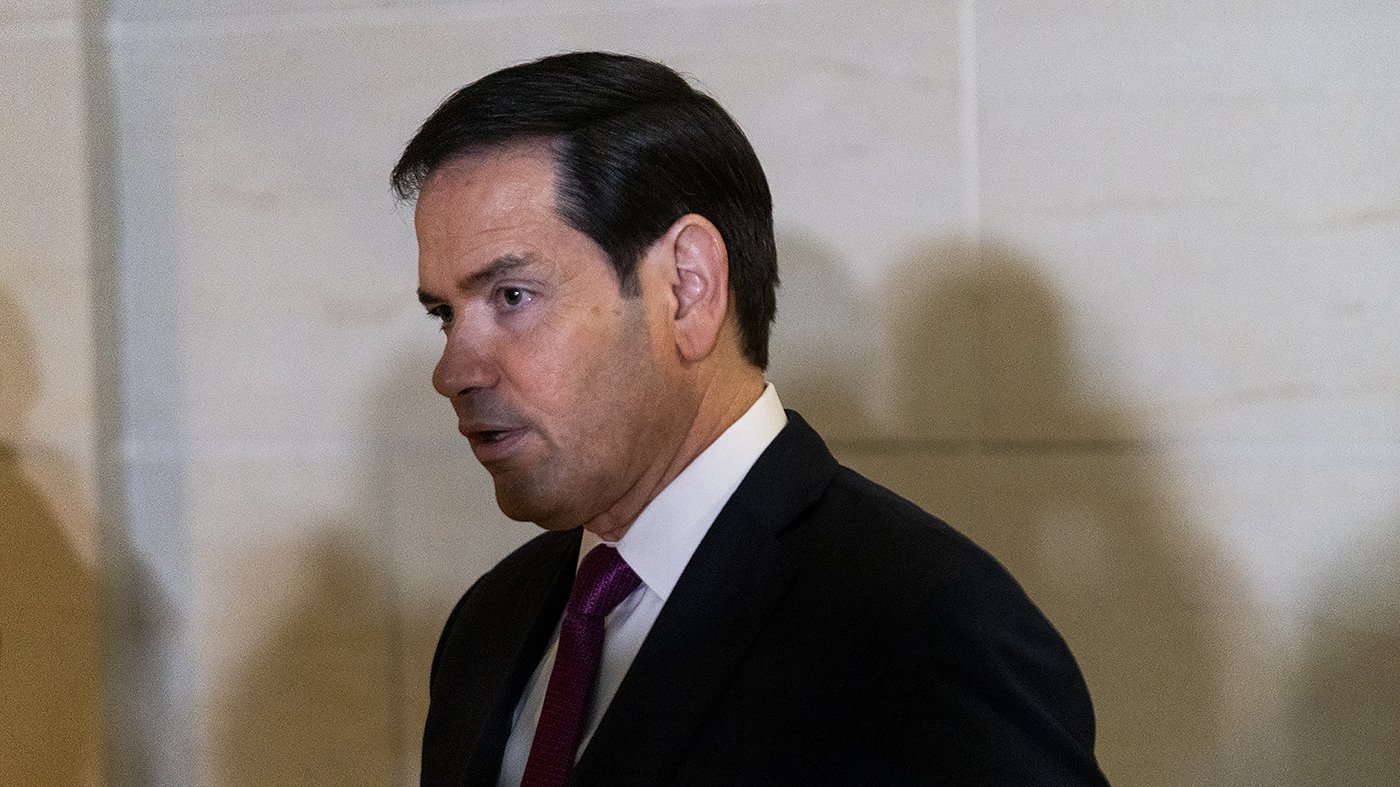
Ebtekar later ascended to high-ranking positions within Iran's government, including serving as vice president from 2017 to 2021. In a statement on social media, Secretary of State Marco Rubio declared, "Her family should never have been allowed to benefit from the extraordinary privilege of living in our country. America can never become a home for anti-American terrorists or their families—and under the Trump Administration, it never will."
Immigration History and Timing
The State Department noted that Hashemi and his family entered the United States on visas in 2014. They were granted lawful permanent resident status via the Diversity Immigrant Visa Program in June 2016, a period that followed an incident where Iran's Islamic Revolutionary Guard Corps seized two U.S. Navy vessels and captured ten American sailors.
This action represents a continuation of the administration's policy to scrutinize and revoke the immigration benefits of individuals with ties to the Iranian government. It follows last week's arrest of two relatives of the late Iranian commander Qasem Soleimani and the recent termination of visas for other individuals connected to Iranian officials, including the daughter of deceased security council secretary Ali Larijani.
Broader Diplomatic Context
The revocations occur against a complex diplomatic backdrop. U.S. and Iranian officials are currently engaged in mediated ceasefire talks in Islamabad, seeking a longer-term agreement to end hostilities. This follows President Trump's announcement of a temporary pause in a six-week conflict. The administration's hardline immigration moves appear to run parallel to these delicate negotiations.
The State Department has recently taken similar actions against other individuals with regime connections. The department revoked the green cards of Soleimani's niece and grandniece and terminated the visas of Fatemeh Ardeshir-Larijani and her husband. Ardeshir-Larijani is the daughter of Ali Larijani, who was killed in an Israeli airstrike in March after the assassination of Supreme Leader Ayatollah Ali Khamenei. Both individuals have since left the United States and are barred from re-entry.
This series of enforcement actions underscores the administration's stated commitment to preventing individuals affiliated with adversarial governments from establishing residence in the United States. The policy has drawn both support and criticism, reflecting deeper fractures within American politics regarding national security and immigration. Some Republican figures have questioned the party's direction on foreign policy, as seen when Marjorie Taylor Greene publicly broke with Trump over his approach to Iran, calling certain threats "absolute madness."
Meanwhile, the administration faces other international pressures, including ongoing cyber threats to U.S. critical infrastructure attributed to Iranian actors. The interplay between immigration enforcement, diplomatic talks, and security posture continues to define the U.S.-Iran relationship during a period of significant tension.