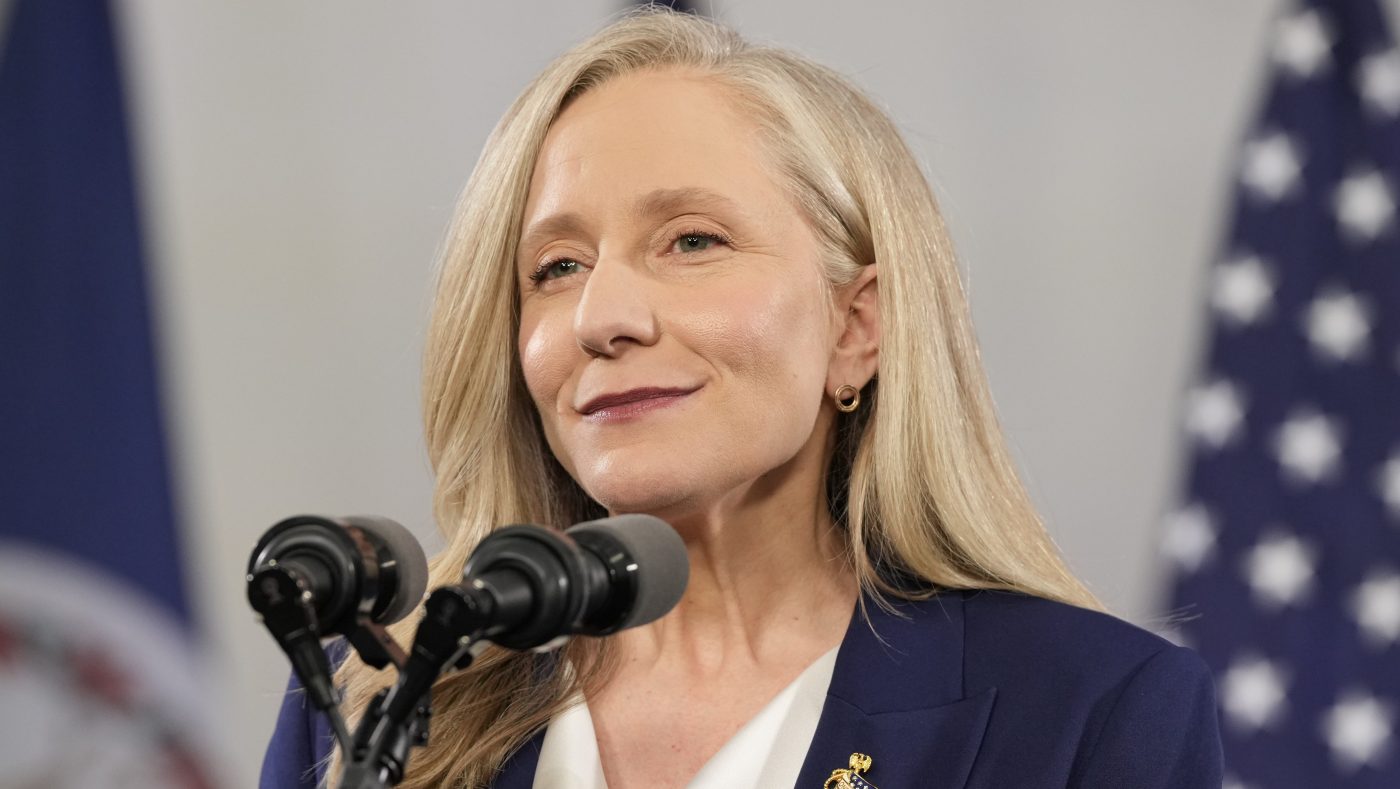
Governor Abigail Spanberger's significant early decline in approval ratings, described by some analysts as stunning, represents not a sudden shock but a predictable consequence of a widening gap between campaign rhetoric and governing reality. For Virginians who supported her decisive victory, the drop confirms growing doubts about her political identity.
The Centrist Promise Versus Partisan Governance
Spanberger campaigned as a pragmatic, bipartisan leader focused on affordability and steady management, a message that resonated across a broad coalition. Her victory was widely interpreted as a mandate for centrist, independent leadership in Richmond. Yet, her initial months in office have revealed a noticeable shift toward national Democratic Party priorities, sidelining the kitchen-table economic concerns that defined her candidacy.
This perceived partisan turn has alienated key supporters who valued her promise of balance. While policy disagreements are expected in any administration, the swift erosion of trust points to a more fundamental problem: a breach of credibility that transcends any single issue.
A Broken Commitment on Accountability
The credibility crisis is crystallized by her handling of concerns surrounding Attorney General Jay Jones. During the campaign, Spanberger, while acknowledging serious questions about Jones's judgment and past remarks, assured key supporters she would address them directly upon taking office—hinting at potential investigations or leadership changes.
That explicit commitment, which signaled a willingness to prioritize principle over political expediency, has gone unfulfilled. The urgency and accountability promised have vanished, leaving former backers to conclude that electoral unity was valued above moral clarity. This pattern, where difficult promises are set aside for political convenience, strikes at the core of effective leadership.
Voters can accept policy disputes, but they struggle to reconcile a persistent disconnect between promises made and actions taken. This dynamic has been noted by veteran strategists like Karl Rove, who has pointed to her administration's 'bad start' amid the polling slide.
Governing Style Fuels Distrust
Compounding the issue is a governing style that some observers characterize as performative rather than pragmatic. A preference for public positioning over quiet, constructive engagement has reinforced the impression of a leader more attuned to partisan signaling than to the problem-solving approach she championed.
Taken together, these early choices paint a portrait sharply at odds with the candidate Virginians elected. The central question now for many is whether the campaign or the governorship reflects the real Abigail Spanberger.
A Path Forward Requires Core Realignment
Despite the early stumble, Spanberger's political situation is not irreparable. Governors can reset and recalibrate. However, recovery requires more than improved messaging. It demands a demonstrable return to the foundational commitments of her campaign: genuine independence, a renewed focus on state-level affordability, and a willingness to enact accountability, even when it carries political risk.
Without such a course correction, approval ratings are likely to reflect a continued erosion of trust. In politics, as in international diplomacy where credible commitments are paramount, early missteps can harden into lasting doubts. For Spanberger, the time to answer the defining question of her early tenure is now, before the window for a reset closes.