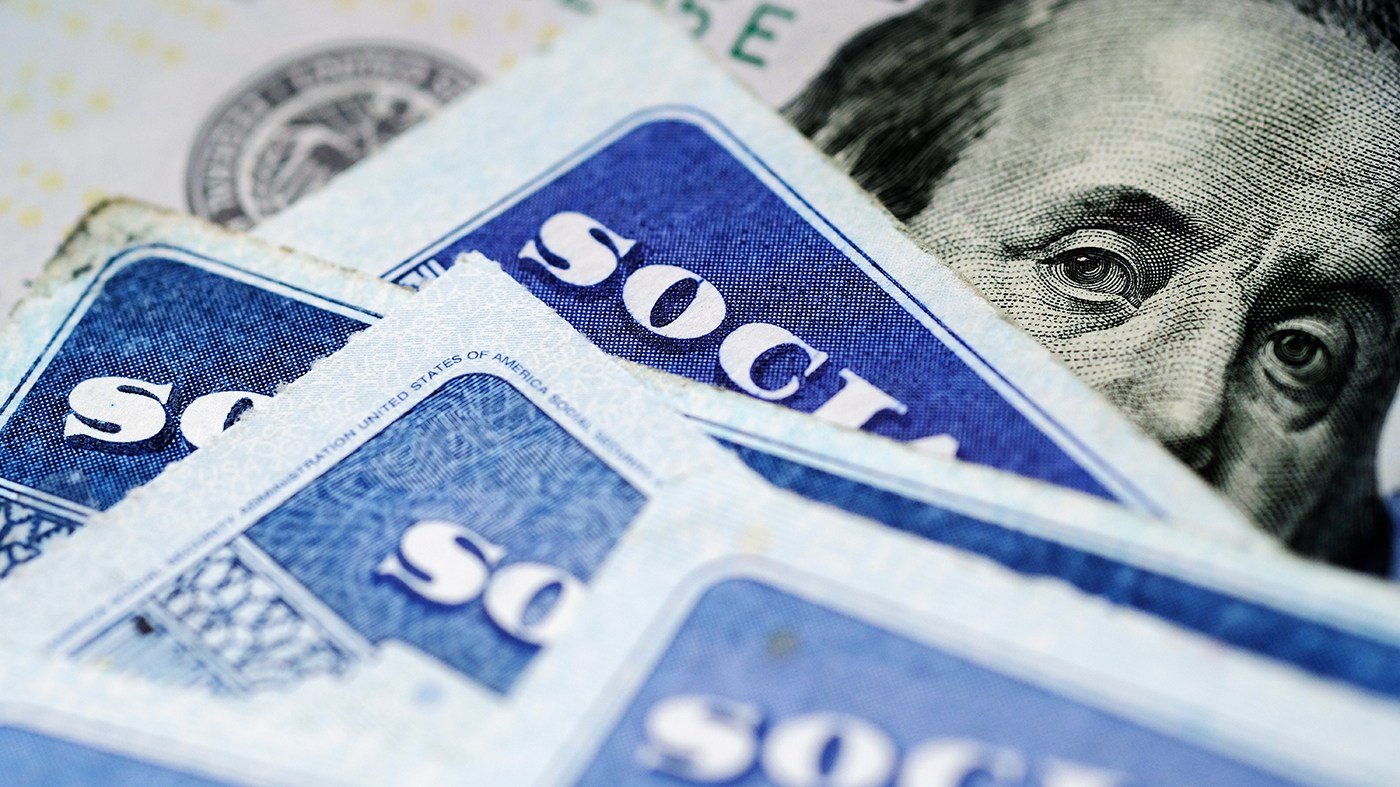
Social Security recipients could see a significantly larger cost-of-living adjustment in 2027 than previously expected, according to a revised projection from The Senior Citizens League (TSCL). The nonpartisan advocacy group now estimates the annual COLA will hit 3.9 percent, up sharply from an earlier forecast of just 2.8 percent, which TSCL had described as "meager."
Inflation Drives Up the Adjustment
The increase reflects ongoing inflationary pressures that have eroded the purchasing power of seniors and disabled Americans. The annual COLA is designed to keep benefits in line with the rising costs of essentials such as food, housing, and medical care. As inflation data continues to climb, the adjustment formula—based on the Consumer Price Index for Urban Wage Earners and Clerical Workers (CPI-W)—automatically triggers a higher percentage.

TSCL's model suggests that if current economic trends hold, the 2027 COLA will be the largest in several years, offering some relief to the roughly 70 million Americans who rely on Social Security. However, advocates warn that even a 3.9 percent bump may not fully offset the real-world cost increases retirees face, particularly in healthcare and housing.
Political Implications
The revised projection lands amid a heated political debate over the program's long-term solvency. Senator Ted Cruz has promoted individual investment accounts as a step toward privatizing Social Security, a proposal that has drawn fierce opposition from Democrats and senior advocacy groups. Meanwhile, rising inflation has become a key issue ahead of the midterm elections, with Republicans pushing for housing and gas tax relief to ease the burden on households.
The White House has not yet commented on the TSCL projection, but the administration's economic team is closely monitoring inflation data. A recent spike in inflation linked to geopolitical tensions, including the Iran conflict, pushed April's rate to 3.8 percent, adding further pressure on the president ahead of the midterms.
What the COLA Means for Beneficiaries
For the average Social Security recipient, a 3.9 percent COLA would translate into an additional monthly payment of roughly $70, based on current average benefits of around $1,800 per month. While welcome, many retirees say such increases fail to keep pace with the actual cost increases in healthcare premiums, prescription drugs, and rental housing.
TSCL has long argued that the CPI-W underestimates the inflation experienced by seniors, who spend a larger share of their income on medical care. The group supports switching to the Consumer Price Index for the Elderly (CPI-E), which would more accurately reflect their spending patterns and likely result in higher COLAs over time.
Looking Ahead
The official 2027 COLA will be announced in October 2026, based on third-quarter inflation data. Until then, the TSCL projection serves as an early warning to policymakers that inflation remains a persistent threat to retirement security. With the Social Security trust fund facing depletion by the mid-2030s, the debate over how to shore up the program—and whether to adjust the COLA formula—is likely to intensify.
For now, beneficiaries can only watch the economic indicators and hope that the final adjustment provides meaningful relief. As one TSCL spokesperson put it, "Every percentage point matters when you're living on a fixed income."