The Senate voted overwhelmingly on Monday to pass a sweeping bipartisan housing affordability package, sending the legislation to the House in a rare display of near-unanimous support. The bill, approved 85-5, is expected to clear the House this week and land on President Trump's desk for signature.
The vote comes as lawmakers scramble to deliver tangible wins on affordability ahead of the midterm elections, where rising costs have dominated voter concerns. The package, known as the 21st Century ROAD to Housing Act, bundles over 45 provisions from both chambers, addressing everything from corporate home buying to permitting reform.
Key Provisions and Compromises
The bill includes measures to waive environmental review requirements under the National Environmental Policy Act (NEPA) for certain housing projects, encourage renovation of aging homes, and incentivize communities to boost housing supply. A fiercely debated provision restricts private equity firms and companies owning more than 350 single-family homes from purchasing additional properties, striking a middle ground between a full ban sought by Senate Republicans and a softer House approach.
The legislation also includes a three-year authorization for a federal disaster recovery grant program, brokered after Senate leaders pushed for an indefinite extension while House counterparts sought to let it lapse.
Bipartisan Momentum and Political Significance
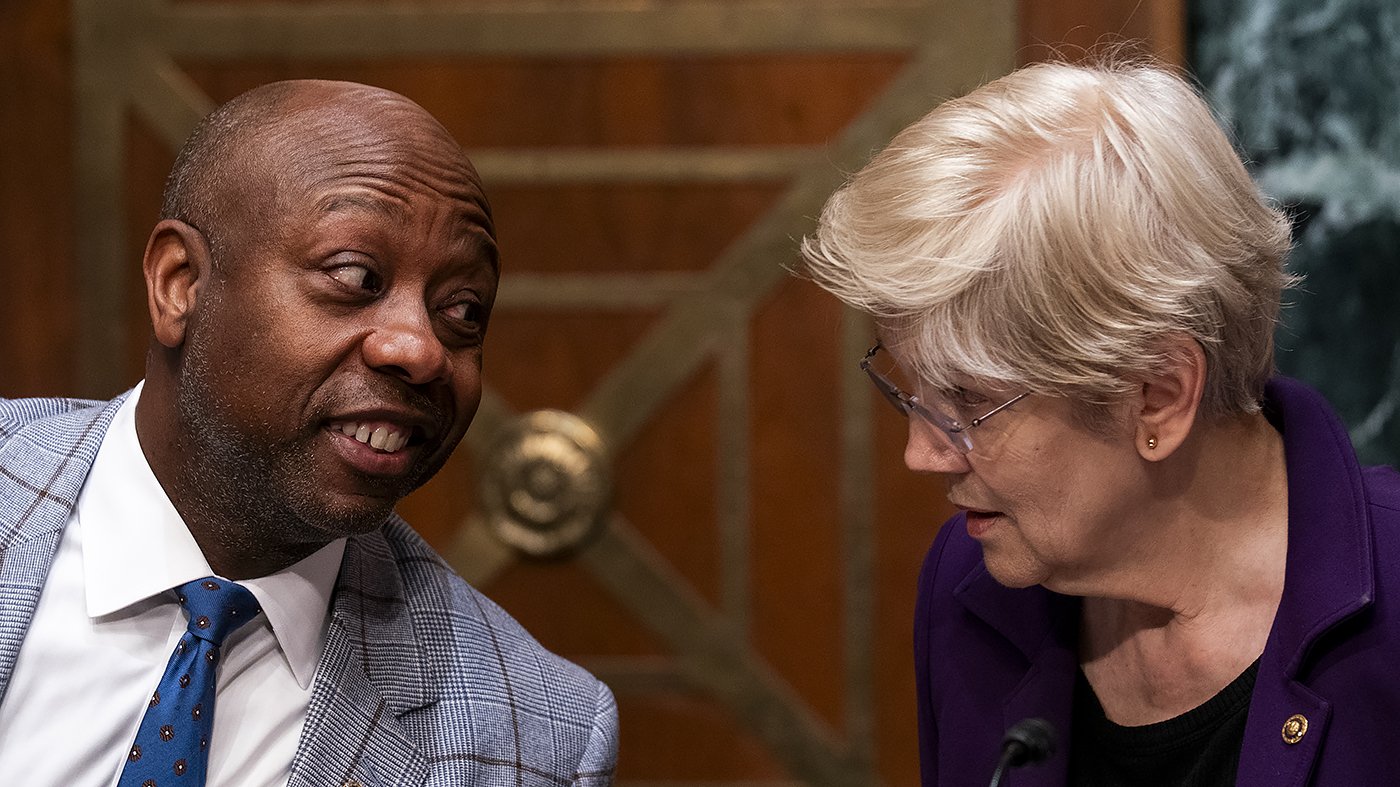
Sen. Elizabeth Warren (D-Mass.), a key driver of the bill alongside Sen. Tim Scott (R-S.C.), hailed the vote as proof that bipartisan legislation can be substantive. “Today’s vote proves that it is possible to find bipartisan, common ground on legislation that actually helps the American people,” Warren said on the Senate floor. She emphasized the bill is the biggest housing legislation in over three decades.
The package’s success underscores the political urgency of affordability issues. The last non-spending bill to pass with similar bipartisan margins was the HALT Fentanyl Act in early 2025, while the Epstein Files Transparency Act passed by unanimous consent last fall. Lawmakers see the housing bill as a critical step, but many acknowledge more work remains.
Sen. Josh Hawley (R-Mo.) called the bill “a good deal” but urged Congress to tackle other cost drivers like gas and healthcare. Democrats hope the momentum will pave the way for future federal investments in housing supply, though this bill does not include direct spending.
Opposition and Concerns
The five dissenting votes included Sens. Alan Armstrong (R-Okla.) and Rick Scott (R-Fla.). Armstrong argued the bill’s NEPA waiver for housing is a piecemeal fix rather than comprehensive permitting reform. “Rather than actually tackling it, and you know, really fixing the problem, it just waives NEPA for housing,” Armstrong said. Scott maintained that housing is a local issue and urged Congress to focus on budget balancing and interest rate reduction.
Sen. Raphael Warnock (D-Ga.) echoed Warren’s call for continued action, stating, “The housing market is a mess. We’ve got a generational affordability crisis…I hope this is the beginning, not the end.” The bill’s impact on home prices is expected to take time to materialize, but its passage signals lawmakers’ commitment to addressing one of the most pressing concerns for American families.
For context, the bill builds on earlier bipartisan efforts, including a Senate hurdle cleared last month targeting corporate buyers and permitting reform. It also comes amid broader affordability trends, such as declining broadband costs driven by deregulation and competition.