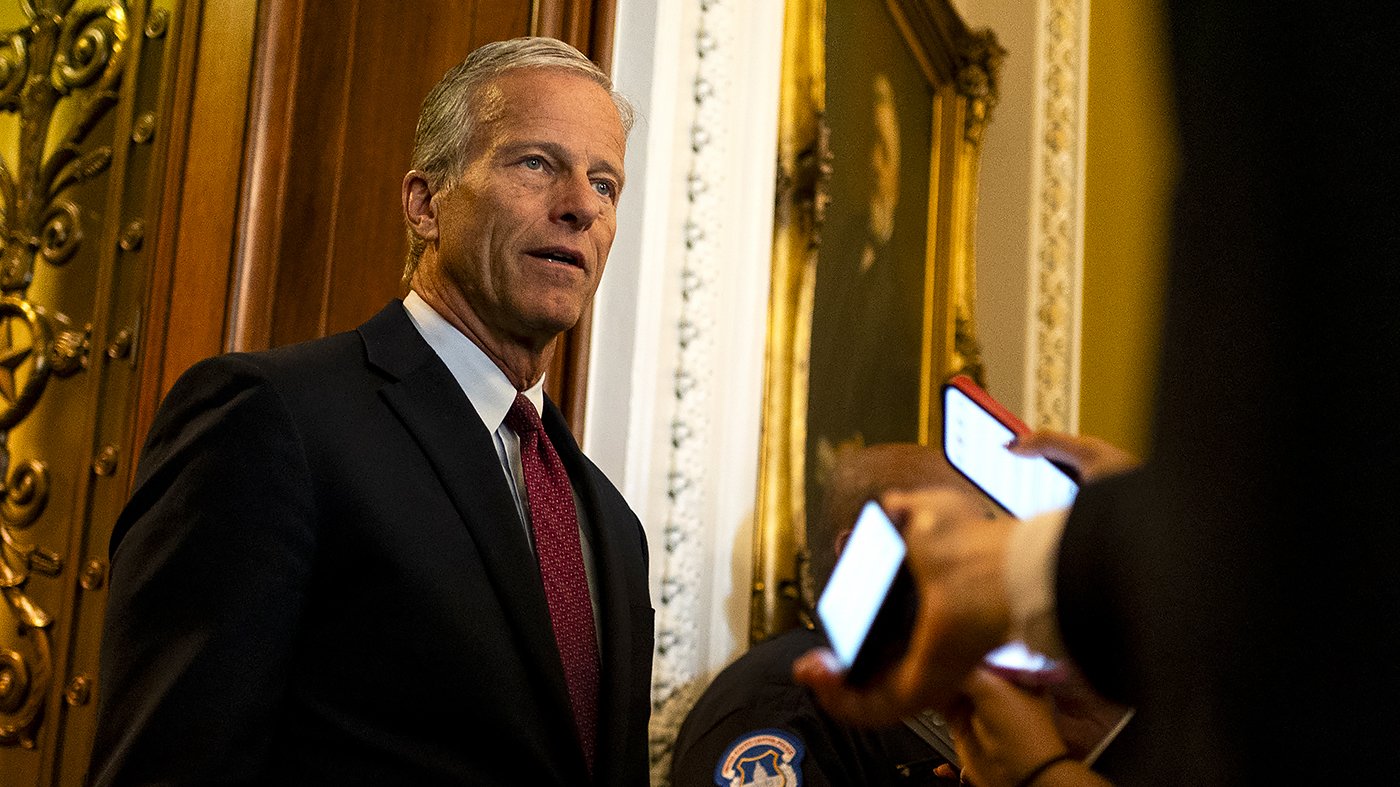
Senate Majority Leader John Thune (R-S.D.) acknowledged Tuesday that Republican leaders are pressing the Trump administration for the full text of a memorandum of understanding (MOU) aimed at ending the three-and-a-half-month military conflict with Iran, but have so far been unable to secure a briefing on the deal.
“We’re trying to get it,” Thune told reporters at the Capitol when asked whether he was seeking the agreement’s details. The admission underscores an unusual dynamic: the president’s own party leaders are struggling to gain access to a major international accord.
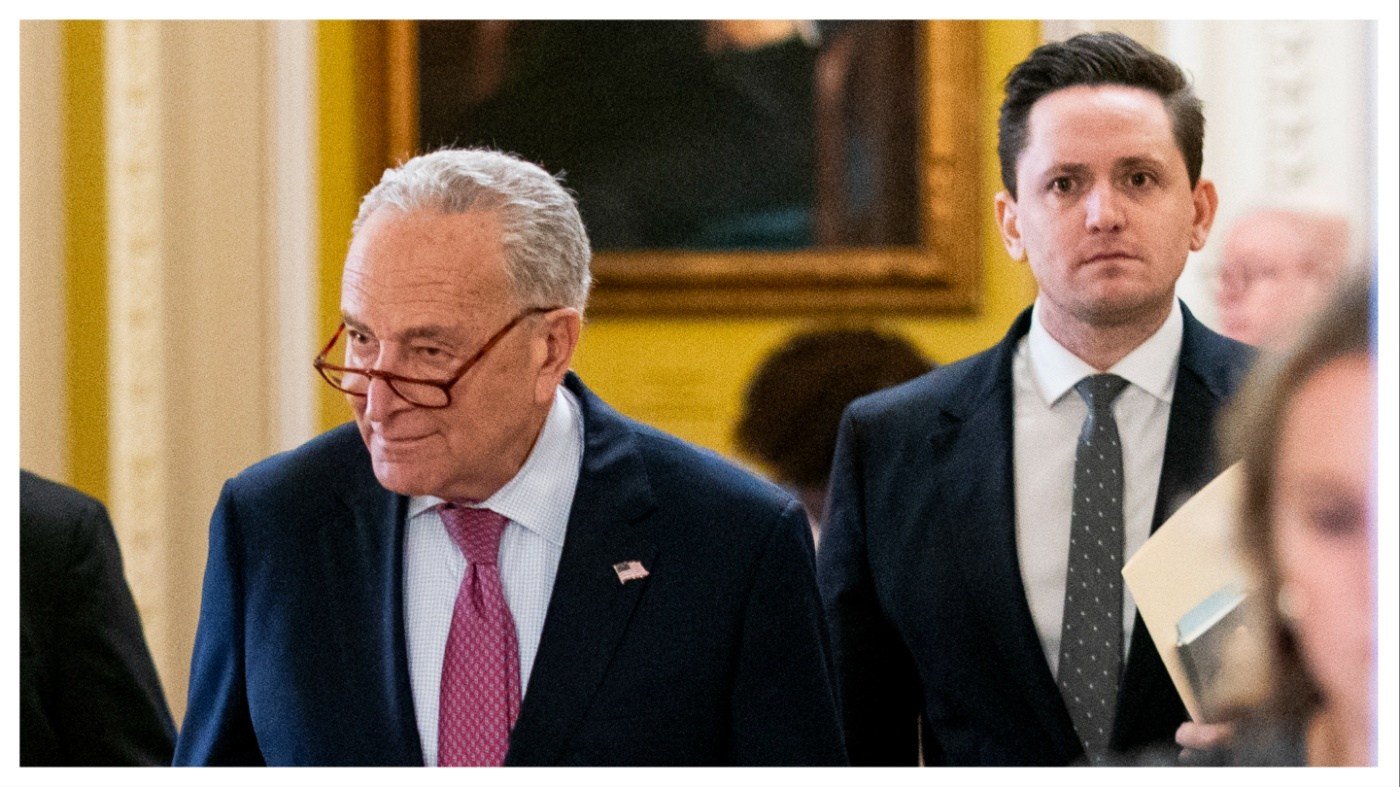
Thune conceded that it is atypical for a president to withhold such information from congressional leaders of his own party. “Since I’ve been in this job, we haven’t had this issue,” he said, noting that Senate leaders typically do not have to request briefings on major peace deals.
President Trump, speaking Tuesday on the sidelines of the G7 summit in Évian-les-Bains, France, said he “never thought” about sharing the agreement’s details with Congress. “I never thought about sending, never even thought about it, but I will. I will send it to Congress,” Trump said. “I like the idea.”
Thune said he has not yet been notified of any briefing but speculated that senators might receive more information “as the week wears on” and “we get closer to whenever the public release” of the MOU. He added that he spoke with Vice President Vance “a few days ago” but did not discuss the substance of the deal. Vance has been in contact with other GOP senators to explain the proposed ceasefire.
Senate Republicans have formally requested a briefing on the MOU, Thune said. “What we hear about it, obviously, is that it’s sort of a framework to allow for discussions to continue,” he explained. “I think at the end of the day the goal here is to make sure Iran ends its nuclear program and whatever financial incentives they have should be conditioned upon that.”
However, Thune admitted, “it’s hard to react” to the deal “because I just know” the details. He expects a vote on a resolution of disapproval on any final agreement, as required under the 2015 Iran Nuclear Agreement Review Act, which mandates that any nuclear deal with Iran be submitted to Congress for review and a vote before sanctions can be lifted.
“We’re going to need to be heard from on this if there’s a deal that deals with the nuclear program,” Thune said. The standoff highlights growing tension between the White House and Capitol Hill over transparency, even as Trump has floated sending the deal to Congress while mocking Democrats. Meanwhile, the administration has faced confusion over other aspects of the agreement, including denials of a reported $300 billion fund for Iran.