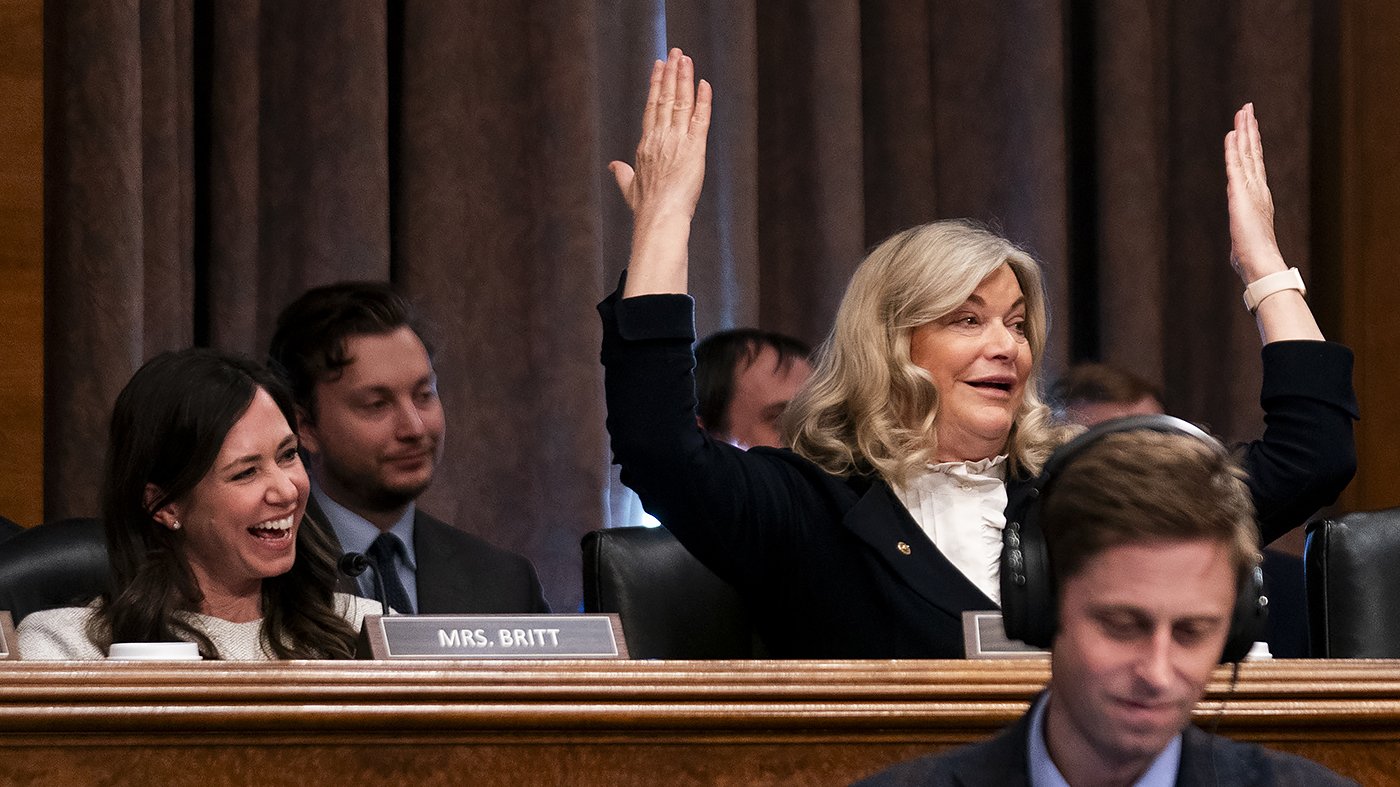
The Senate Banking Committee voted last week to advance the Clarity Act, a cryptocurrency regulation bill that aims to provide clearer guidelines for financial regulators overseeing the digital asset industry. The vote saw all Republican members and two Democrats—Sens. Ruben Gallego of Arizona and Angela Alsobrooks of Maryland—support the measure. However, the legislation now faces a series of obstacles that could complicate its path to passage on the Senate floor and beyond.
Despite the bipartisan veneer of the committee vote, the Clarity Act still lacks broad Democratic support and has drawn criticism from law enforcement groups and the banking industry. Here are four key challenges the bill must overcome in the coming weeks.

Democratic Support Remains Uncertain
While Gallego and Alsobrooks voted for the bill at markup, both cautioned that their backing is conditional. Alsobrooks stated, “I want to be abundantly clear, my vote today is a vote to keep working in good faith. It does not mean that I'll be voting for the passage of the Clarity Act on the floor, because we still have so much work to do.”
The bill needs at least eight Democratic votes on the Senate floor, but several crypto-friendly Democrats on the committee—including Sens. Mark Warner (Va.), Catherine Cortez Masto (Nev.), Raphael Warnock (Ga.), Andy Kim (N.J.), and Lisa Blunt Rochester (Del.)—declined to support it. Blunt Rochester, who backed the earlier GENIUS Act in committee but not on the floor, said, “After the GENIUS Act, for me, I can't take a handshake. I want the work to happen in committee.”
A major sticking point for Democrats is the absence of ethics provisions limiting how government officials can invest in or participate in the crypto industry. This issue has gained urgency following President Trump and his family’s deep involvement in crypto ventures, from stablecoins to meme coins. Gallego noted, “Perhaps the toughest issue of all, we have come close but have not finished an agreement on ethics guardrails for elected officials, all elected officials. We need real, enforceable standards, what is and is not acceptable for someone who holds the public's trust and shouldn't be able to profit off an industry that they enforce or regulate.”
Law Enforcement Groups Oppose Developer Protections
Another significant hurdle is opposition from law enforcement organizations to a provision that shields software developers from being classified as money transmitters if they do not control customer funds. The National District Attorneys' Association, along with the National Sheriffs' Association and other groups, argues this creates a “blanket exemption” that would hamper investigations of crypto-related crime.
Senate Judiciary Committee Chair Chuck Grassley (R-Iowa) worked with Sen. Cynthia Lummis (R-Wyo.) to tweak the language, but the pushback persists. Cortez Masto, a key Democratic swing vote, said, “It's clear we need to pass market structure legislation, and I've worked for months with colleagues on both sides of the aisle to negotiate a bill that provides clear rules of the road for a growing industry. But the current version of the CLARITY Act undermines law enforcement's ability to trace illicit finance and recover victims' money, while at the same time creating a more challenging environment to prosecute criminals for knowingly transmitting illicit funds.”
Banking Industry Fights Stablecoin Rewards Provision
The banking industry is also pushing back against a provision related to stablecoin rewards. The GENIUS Act, which passed Congress last July, barred stablecoin issuers from paying yield or interest to customers solely for holding tokens. Banks argue this left a loophole allowing third parties to offer rewards and want the Clarity Act to impose additional restrictions.
Sens. Alsobrooks and Thom Tillis (R-N.C.) unveiled an updated draft in early May to address these concerns, but the banking sector remains unsatisfied, potentially complicating the bill’s momentum.
The Clarity Act’s path forward will require navigating these four challenges while maintaining the fragile bipartisan coalition that got it out of committee. With the Senate floor vote looming, the bill’s fate hinges on whether its sponsors can address Democratic demands for ethics rules, law enforcement’s objections to developer exemptions, and banking industry’s concerns over stablecoin rewards.