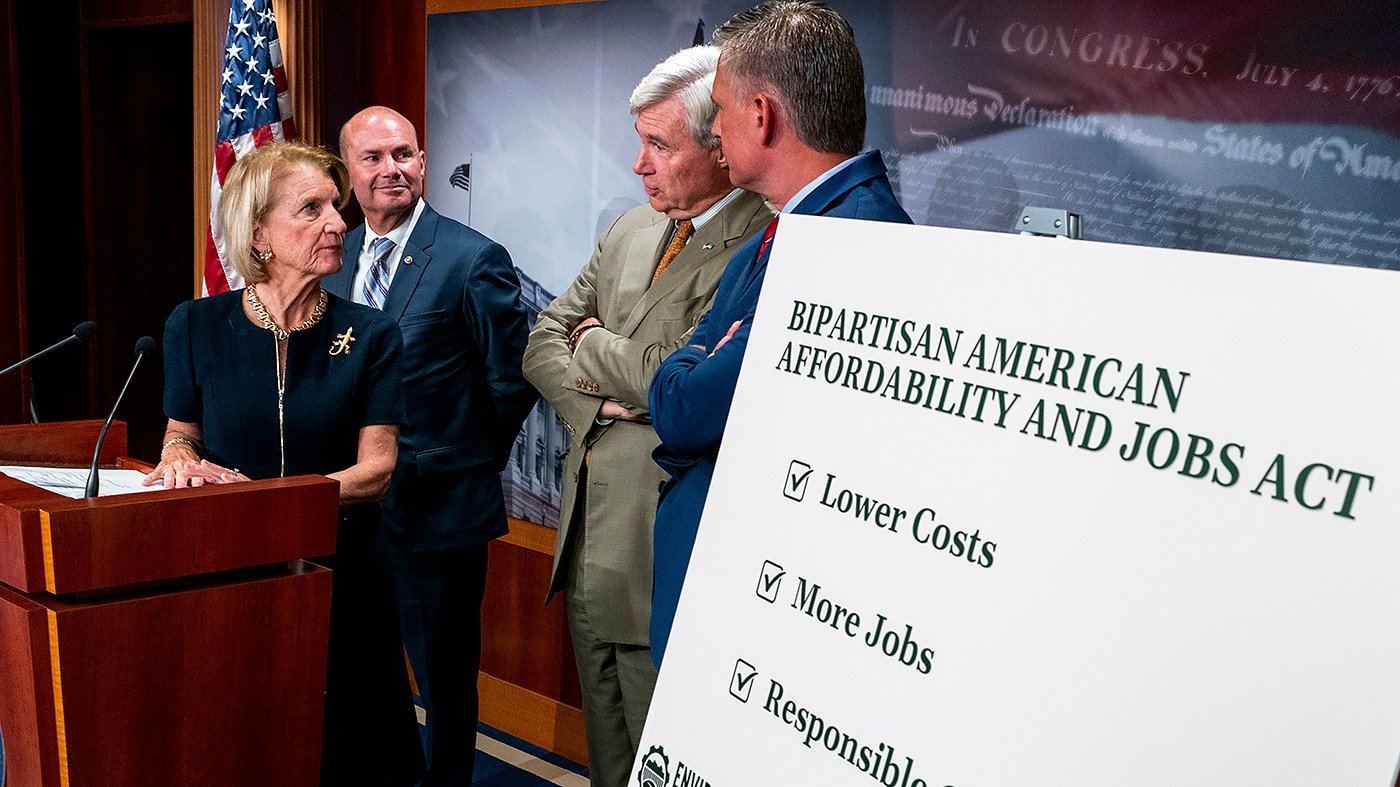
The Senate on Wednesday took a decisive step toward passing a sweeping permitting reform bill, voting 65-31 to advance the Bipartisan American Affordability and Jobs Act (BAAJA). The vote clears the 60-vote threshold needed to overcome a filibuster, moving the legislation closer to final passage.
The outcome was widely expected, given the bill's previous support in similar procedural votes. However, the formal vote marks a significant milestone for a measure that has been a top priority for lawmakers from both parties seeking to accelerate the nation's infrastructure and energy buildout.

Senators now enter the amendment phase, where some members have signaled they will push for changes. Tribal groups and their allies have raised concerns that the bill's revisions to historic preservation laws could limit their input on projects affecting their lands. It remains unclear which amendments, if any, will be adopted in the final text.
Supporters argue that the legislation is essential to modernize the country's environmental review processes, which they say have become a major obstacle to building everything from transmission lines to natural gas pipelines. They contend that streamlining these reviews will boost the economy and help reduce greenhouse gas emissions by facilitating the integration of renewable energy sources.
Opponents, however, warn that BAAJA would weaken environmental protections, expand fossil fuel and mining activities, and make it harder for communities to challenge projects in court. They point to provisions that would limit the scope of environmental reviews and shorten the window for legal challenges.
The bill's path in the House is less certain. Although it has bipartisan backing, progressive Democrats have voiced opposition, and House Energy and Commerce Chairman Brett Guthrie (R-Ky.) has indicated he wants changes. The legislation is also competing for attention in a packed lame-duck session, with a potential government shutdown looming in December. But the White House has voiced support, which could help build momentum.
One of the bill's key provisions aims to boost the construction of high-voltage power lines, which are critical for connecting renewable energy projects to the grid. It would allow federal regulators to approve interstate transmission lines if states fail to act on them. The measure also seeks to prevent presidents from revoking permits for energy projects without clear cause, a move that would limit executive actions like President Biden's cancellation of the Keystone XL pipeline permit and President Trump's attempts to block offshore wind projects.
BAAJA would also give project developers the right to sue the government if they can show a pattern of discriminatory treatment against particular energy sources. Additionally, it would exempt certain activities, such as expansions of natural gas pipelines, from full environmental reviews, and it would restrict those reviews to alternatives that meet the project sponsor's goals.
The bill tightens rules on lawsuits by requiring challenges to be filed within 150 days of a project's approval and limiting standing to those who participated in the public comment period. It also addresses the rising electricity costs associated with large data centers, forcing them to bear the costs of their substantial power demands, though they might still benefit from the broader permitting changes.
As the Senate moves toward a final vote, the measure's fate in the House remains a key question. With strong bipartisan support in the upper chamber and backing from the White House, the bill's proponents are optimistic, but the legislative calendar and lingering objections could still complicate its journey.