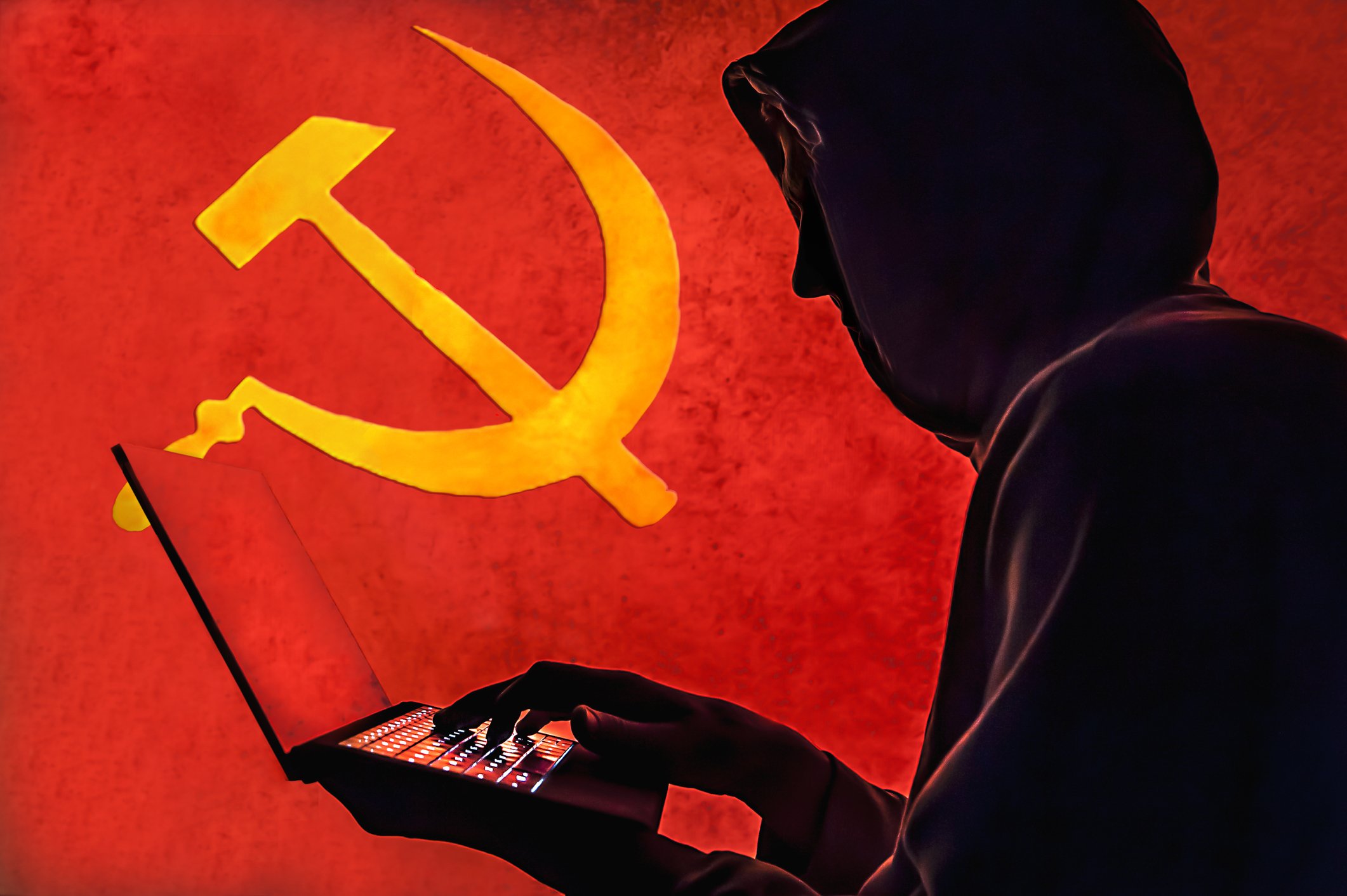
In a twist on the information war, a shadowy network of social media accounts is turning Russia's own propaganda playbook against it in West Africa. Since mid-2024, these accounts—operating primarily in French on X, Facebook, and TikTok—have been attacking the ruling juntas in Mali, Burkina Faso, and Niger, regimes that seized power in coups, broke with France and the U.S., and aligned with Moscow.
The accounts, which include names like La Dépêche Africaine, Scoop Africa, InfoCivik Togo, and Lomé Podcast, denounce junta leaders as violent and incompetent, criticize Russia, and praise the European Union, France, and the United States. Their methods are a direct mirror of Russian disinformation: they use AI to fabricate news reports, create fake versions of Russian media sites like Sputnik and RT, and cross-link to boost their visibility in search rankings.
An investigation by Radio France Internationale and France24 in March exposed several fabricated stories. Among them: an AI-generated Burkina Faso TV report claiming the country was sending troops to fight for Iran, a fake Sputnik screengrab urging Russians to leave Mali due to an imminent jihadist threat, and a doctored Burkina Faso TV clip suggesting the regime sold a power plant to Russia. Other posts, not covered by the investigation, mocked Niger's junta chief and claimed Russian intelligence views Mali's leader, Assimi Goïta, as “an introverted and paranoid individual.” One post alleged Burkina Faso agreed to send two-thirds of its gold production to a Moscow bank; another claimed the Russian army opened a recruiting office in Burkina Faso. Both were accompanied by purported RT video and Sputnik screengrabs, but the stories did not appear on the actual Russian outlets.
The focus on Burkina Faso is strategic: the country has become a hub for Russian influence operations, including the nominally independent news agency African Initiative, which spreads pro-Kremlin narratives. Russian propaganda has also built a cult of personality around Burkina Faso's leader, Ibrahim Traore, across the Global South.
France has a history of running clandestine social media campaigns in Africa, and the new accounts align with French geopolitical interests. The French foreign ministry declined to comment. However, the effort mirrors France's increasingly aggressive public information operations, such as the French Response account on X, launched in 2025, which snarkily counters critics. In a notable example last November, French Response juxtaposed a 2021 Russian video promising to save Mali from French imperialism with a 2025 clip of a Russian official disclaiming responsibility for Mali's internal situation, captioning: “It was clear from the beginning that the Russians would not protect the Malians. Today, reality proves it.”
The covert network raises ethical concerns. While Western nations, including the U.S., have deployed fake accounts before, large-scale deception risks blurring the line between democratic and authoritarian information operations. As Thomas Kent, a senior fellow at the American Foreign Policy Council, notes, “A world where democratic and malign actors all routinely create anonymous, deceptive products could erase the distinction between the two camps in the eyes of readers.”
Kent argues that while clandestine tactics may have occasional use, there is ample damaging true information about bad actors. Governments and nonprofits can use this material effectively in public campaigns—if they understand the need for assertive, compelling, high-volume information efforts. “Unless they recognize this,” he warns, “they risk falling so far behind in the information war that Russia-like tactics may seem like the only way to get back in the game.”
Meanwhile, the U.S. faces its own propaganda challenges, as seen in recent debates over Russian oil sanctions and counterterrorism priorities. The broader lesson for Western democracies is that fighting fire with fire may win battles but risks losing the war for credibility.