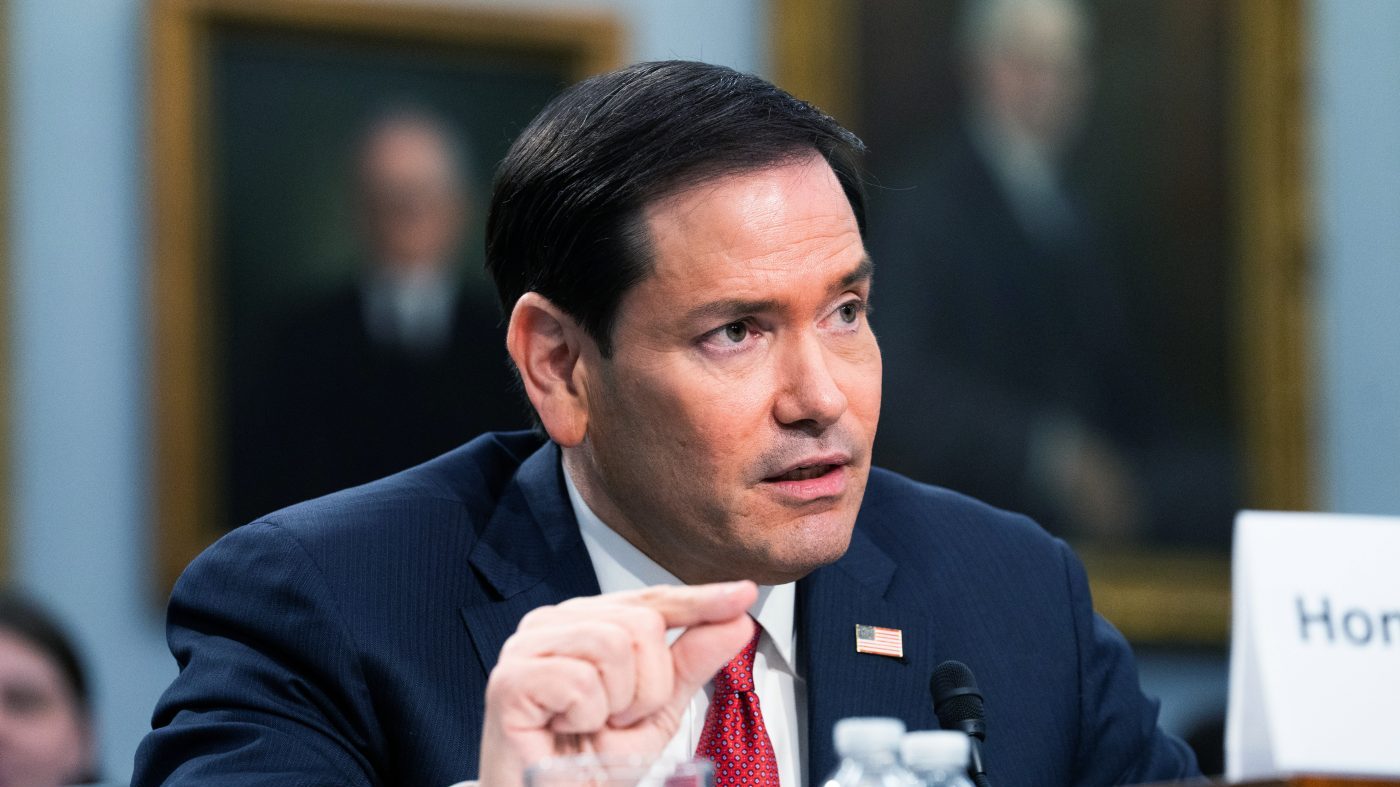
Secretary of State Marco Rubio is back on Capitol Hill Wednesday morning to defend the Trump administration's fiscal 2027 budget for the State Department and its handling of the escalating conflict with Iran, as he faces sharp questioning from the House Foreign Relations Committee.
Rubio's appearance follows a grueling Tuesday of back-to-back hearings before both House and Senate panels, where Democrats lambasted him over a range of issues, from the administration's response to the Ebola outbreak in Africa to the Middle East crisis, strikes on suspected drug boats in the Caribbean and eastern Pacific, and the delayed sale of arms to Taiwan. The same contentious topics are expected to dominate Wednesday's session, with lawmakers pressing the secretary on the administration's priorities.
The hearing, scheduled to start at 10 a.m. EDT, comes amid a broader Republican infighting over spending, as seen in Mullin's defense of the $63 billion DHS budget. Rubio's testimony is likely to highlight the tension between the White House's foreign policy ambitions and congressional demands for fiscal restraint.
Democrats have seized on the administration's proposed cuts to global health programs, which they argue undermine efforts to contain Ebola and other infectious diseases. In Tuesday's hearings, Rubio defended the cuts as part of a broader effort to streamline aid and focus on strategic priorities, but critics contend the reductions weaken U.S. influence abroad. The debate echoes earlier clashes, as detailed in Rubio's defense of Trump's Ebola response.
On Iran, Rubio is expected to face tough questions about the administration's strategy amid rising tensions in the Middle East. The State Department's budget request includes significant funding for diplomatic efforts, but lawmakers from both parties have expressed skepticism about the effectiveness of current policies. The hearing also comes in the wake of Rubio's heated testimony on Iran and Taiwan, where he clashed with Democrats over aid cuts and arms sales.
The Taiwan arms delay has been a particularly sore point, with Republicans and Democrats alike criticizing the administration for not moving faster to fulfill commitments to the island. Rubio has argued that logistical and diplomatic hurdles are being addressed, but lawmakers remain unconvinced. The issue is likely to resurface as part of broader concerns about the administration's approach to China and regional security.
Beyond foreign policy, the hearing touches on domestic political dynamics, with Rubio and other officials returning to the Hill after a heated primary night. Rubio and Mullin's return to Capitol Hill underscores the tightrope they walk between serving as administration spokespeople and pursuing their own political futures.
As the hearing unfolds, observers will be watching for any signs of a shift in the administration's stance on Iran, Ebola funding, or arms sales. With the budget process still in its early stages, the outcome could have significant implications for U.S. foreign policy and the administration's relationship with Congress.